


الدقة التصنيع باستخدام الحاسب الآلي التصنيع: ما هو ولماذا يهم لمشروعك ؟
من أي وقت مضى أرسل تصميمًا للتصنيع ، فقط لاستعادة الأجزاء الموجودة just slightly off? ? That tiny gap, that imperfect fit – it can throw your entire project timeline and budget into chaos. If you're a procurement manager or an engineer, you know this headache all too well. This is where understanding Precision CNC Machining Manufacturing becomes not just useful, but absolutely critical. Let's break down what it really is and why it might be the key to your next project's success.
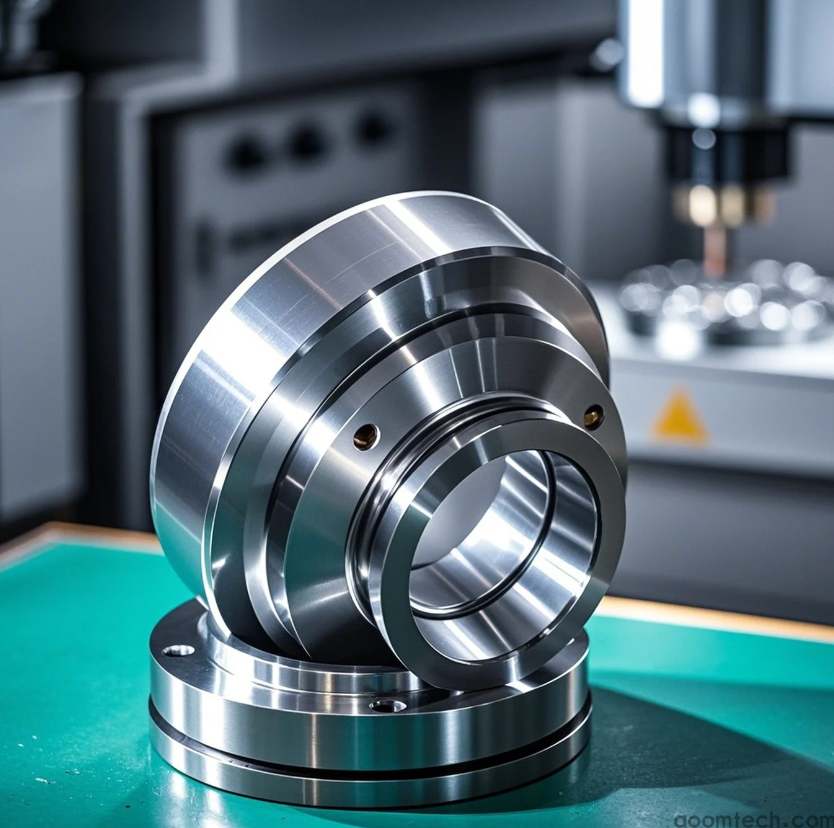
ما هو بالضبط الدقة CNC بالقطع ؟
تعد الآلات الدقيقة CNC في جوهرها طريقة لصنع الأجزاء حيث توجه أجهزة الكمبيوتر الأدوات بدقة لا تصدق. فكر في الأمر على أنه نحات ماهر للغاية ، لكنه يتبع التعليمات الرقمية وصولاً إلى الميكرون ، دون أن تتعب أو ترتكب خطأً عشوائيًا. الأمر كله يتعلق بأخذ كتلة من المواد - مثل المعدن أو البلاستيك - و carving away at it with extreme precision to create a final part that matches the digital design perfectly.
في حين أن هذا يبدو واضحًا ، فإن جزء "الدقة" هو ما يفصله عن المعالجة القياسية. إنه الفرق بين شيء "صحيح تقريبًا" وشيء ما fits perfectly every single time.
لماذا يجب أن تهتم بالتسامح ؟
إذا كنت تتذكر شيئًا واحدًا من هذا ، فليكن "tolerances." This is just a fancy word for the allowed amount of variation in a part's dimensions. A tighter tolerance means the part has to be much closer to the exact specified size.
فمثلا:
• التسامح ± 0.1 مم شائع إلى حد ما وأقل صرامة.
• A tolerance of ±.025mm is much tighter and requires high precision.
• Some industries, like aerospace or medical, demand tolerances as tight as ±.005mm or even less! ?
هذا هو الشيء ، على الرغم من ذلك: يمكن طلب تفاوتات صارمة للغاية عندما لا تحتاج إليها حقًا unnecessarily drive up your costs. The specific relationship between tolerance levels, material choice, and final cost is an area where my knowledge gets a bit fuzzy, and it often depends on the project details. So, it's always a good conversation to have with your manufacturing partner.
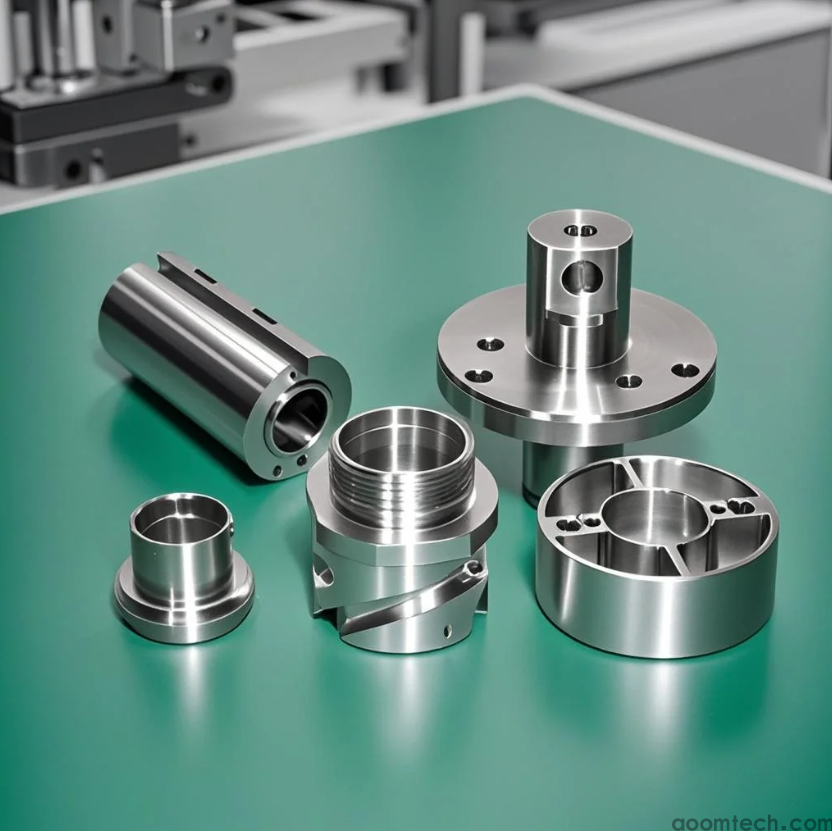
ما هي المواد التي يمكن استخدامها ؟
الدقة CNC ليست صعبة الإرضاء! يعمل مع مجموعة كبيرة من المواد. هذه المرونة هي ميزة كبيرة.
تشمل الخيارات الشائعة:
• Metals: Aluminum (light and strong), Stainless Steel (corrosion-resistant), Brass...
• Plastics: POM (for low friction), Nylon, PC (Polycarbonate for impact resistance)...
• Even more exotic materials like titanium can be handled.
غالبًا ما أجد أن الألمنيوم يوفر توازنًا رائعًا بين قابلية التشغيل والقوة والتكلفة للعديد من المشاريع التي أفكر فيها. لكن الخيار الأفضل دائما وأعني always, depends on what the part needs to do in the real world.
كيف تختار الشريك المناسب لتصنيع الآلات الدقيقة ؟
ربما هذا هو السؤال الأكثر أهمية. يمكنك الحصول على أفضل تصميم ، ولكن بدون الشركة المصنعة المناسبة ، يمكن أن تسير الأمور جنوبًا. من وجهة نظري ، لا يتعلق الأمر فقط بمن لديه ألمع الآلات.
يجب أن تبحث عن:
• Proven Experience: Can they show you examples of similar work?
• Quality Control: What steps do they take to check parts during production? This is huge.
• Communication: Are they easy to talk to? Do they understand your needs?
ومع ذلك ، من العدل أيضًا أن نقول إن متجرًا أصغر ومتخصصًا للغاية قد يقدم أحيانًا خدمة أكثر تخصيصًا من المصنع العملاق ، حتى لو كان المصنع الأكبر يحتوي على المزيد من الأجهزة. إنه توازن.
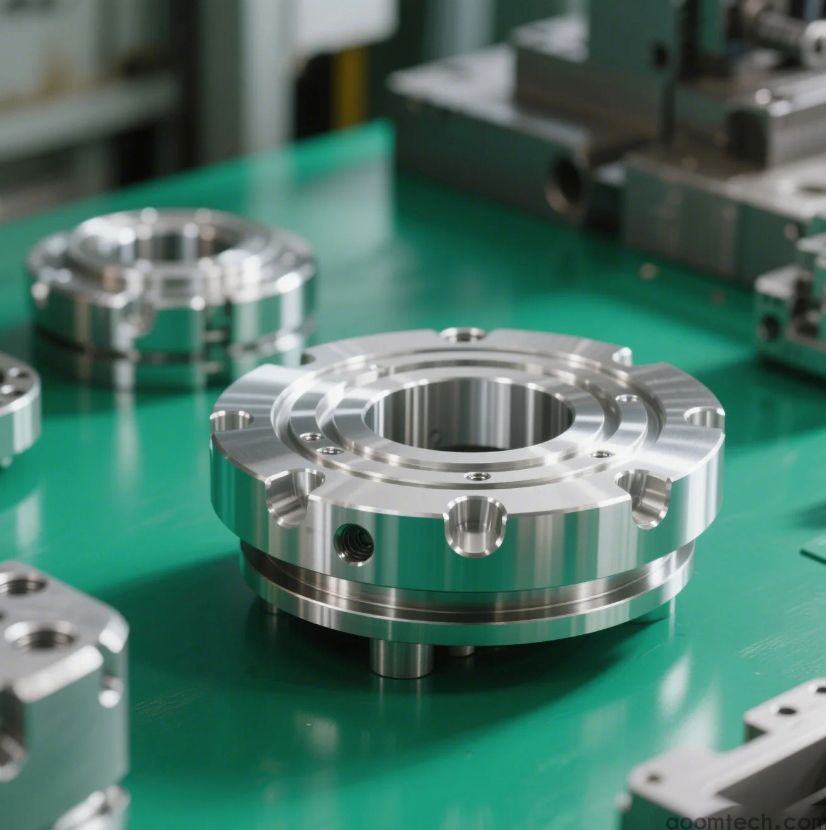
هل الدقة CNC فقط للكميات الضخمة ؟
هذه خرافة شائعة! يعتقد الكثير من الناس أن CNC فعالة من حيث التكلفة فقط لآلاف الأجزاء. لكن هذا لم يعد صحيحًا حقًا بعد الآن. مع الإعدادات الحديثة ، low-volume and even prototype runs are totally practical. This is fantastic because it lets you test a design before committing to a massive production order, saving potential headaches and money down the line.
لذا ، إذا كنت بحاجة فقط one perfect part or a small batch for testing, precision CNC machining can still be a viable option. It perhaps suggests that the manufacturing landscape has become much more adaptable to different project scales.
في نهاية اليوم ، يتوقف الحصول على مكوناتك بشكل صحيح في المرة الأولى على اتصال واضح واختيار عملية تتوافق مع احتياجات الجودة الخاصة بك. نأمل أن يمنحك هذا صورة أوضح لما تجلبه الآلات الدقيقة CNC إلى الطاولة. ?
 كيفية اختيار موثوق التصنيع باستخدام الحاسب الآلي المورد لقطع
الاعتبارات الرئيسية لدقة التصنيع باستخدام الحاسب الآلي الإنت
كيفية منع المواد اللينة من التزييف في التصنيع باستخدام الحاس
كيفية اختيار موثوقة خدمة التصنيع باستخدام الحاسب الآلي: دليل
كيفية اختيار موثوق التصنيع باستخدام الحاسب الآلي المورد لقطع
الاعتبارات الرئيسية لدقة التصنيع باستخدام الحاسب الآلي الإنت
كيفية منع المواد اللينة من التزييف في التصنيع باستخدام الحاس
كيفية اختيار موثوقة خدمة التصنيع باستخدام الحاسب الآلي: دليل