


كيف دقيقة يمكن التصنيع باستخدام الحاسب الآلي يكون ؟ دليل عملي للمشترين
هل سبق لك أن تلقيت مجموعة من الأجزاء التي... لا تناسبك ؟ ? هذا الشعور الغارق عندما يتعطل مشروعك لأن المكونات خارجة عن المواصفات. إذا كنت مدير مشتريات أو مهندسًا ، فأنت تعلم أن الدقة ليست مجرد شيء جميل ؛ إنه حجر الأساس لمنتج وظيفي. لذلك ، عندما تقوم بالتوريد CNC high-precision parts, the burning question is: just how accurate can this process really get? Let's cut through the marketing fluff and talk real numbers and practical realities.
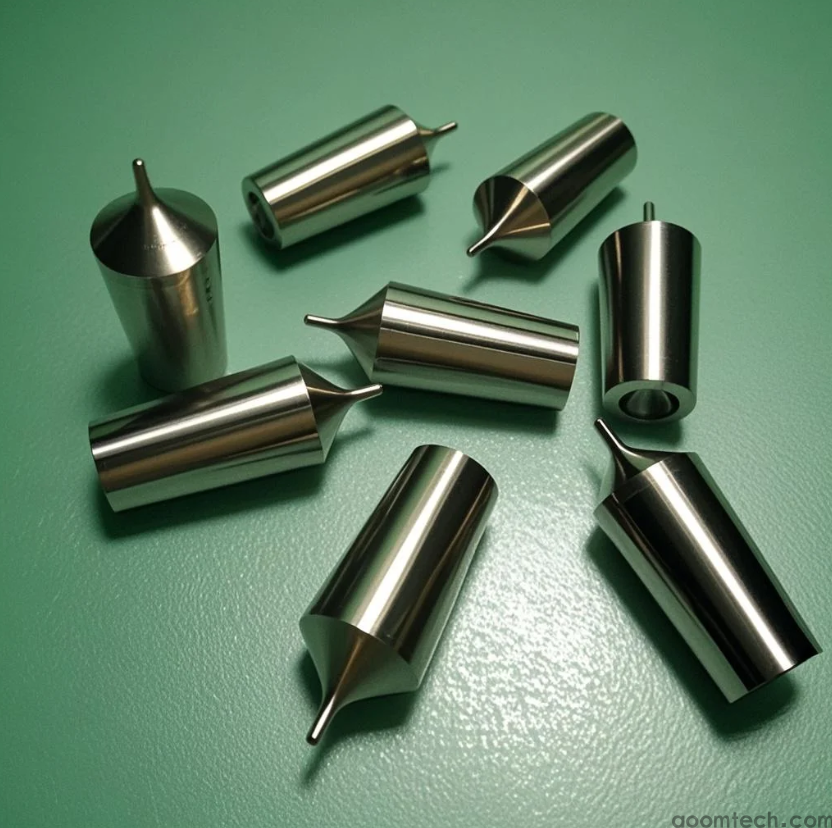
ماذا تعني "الدقة" حتى في التصنيع باستخدام الحاسب الآلي ؟
أولاً ، من السهل التشابك في المصطلحات. غالبًا ما يستخدم الأشخاص "الدقة" و "الدقة" وكأنهما نفس الشيء ، ولكن هناك فرق رئيسي. فكر في الأمر بهذه الطريقة: Accuracy is about hitting the bullseye. If you aim for a dimension of 25.000 mm, an accurate machine will get you very close to that. Precision, on the other hand, is about doing it consistently. If you shoot ten arrows and they all land in the same spot—even if it's not the bullseye—that's precision. For CNC high-precision parts, we need both. We need to hit the target dimension and do it over and over, part after part.
إذن ، ما هي التفاوتات في العالم الحقيقي التي يمكن أن نتوقعها ؟
حسنًا ، دعنا نصل إلى جوهرها. لمعظم المعايير CNC machining services, a common tolerance to expect is around ±.005 inches or ±.125 millimeters. That's pretty good for a vast majority of applications. But when we talk about high-precision CNC work, things get tighter. It's not uncommon to achieve tolerances of ±.0005 inches (±.0127 mm) or even tighter under controlled conditions.
ومع ذلك ، من المهم للغاية معرفة أن هذا ليس رقمًا سحريًا. يعتمد التسامح الفعلي القابل للتحقيق بشكل كبير على مجموعة من العوامل. يمكن أن يلعب نوع المادة وحجم الجزء والميزة المحددة التي يتم تشكيلها وحتى درجة الحرارة في ورشة العمل دورًا. لذلك ، في حين أن هذه الأرقام الضيقة للغاية ممكنة ، فقد لا تكون ممكنة لهندسة الأجزاء المحددة الخاصة بك.
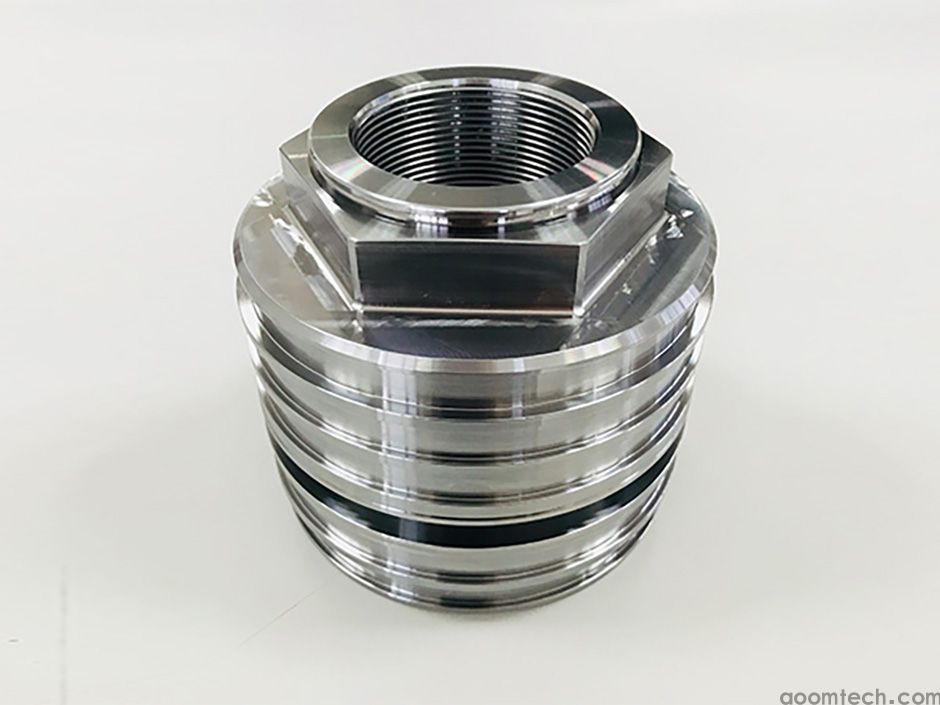
ما هي العوامل التي تعبث بدقة CNC الخاصة بك ؟
لا يمكنك فقط طلب جزء والأمل في الأفضل. تساعدك معرفة ما يؤثر على الدقة في إجراء محادثة أكثر ذكاءً مع المورد الخاص بك. هنا هي الكبيرة:
- ?️ The Machine Itself: An older, worn-out machine will naturally have more play and vibration than a well-maintained, modern one.
- ?️ Thermal Expansion: This is a huge one that's often overlooked. Metal expands when it gets hot. The heat from the cutting process itself can cause the part to grow, throwing dimensions off. Good shops have climate control and even use coolant to manage this.
- ? Tooling and Fixturing: A dull cutting tool or a part that isn't clamped down securely will definitely hurt your precision. It seems basic, but it's where many errors start.
ولكن ، وهذا أمر كبير ، فإن الآلية المحددة لمقدار مساهمة كل عامل في مادة معينة يمكن أن تكون لغزًا معقدًا يناقشه حتى الخبراء. يبدو التفاعل الدقيق بين مسار الأداة وسرعة المغزل وصلابة المواد أحيانًا وكأنه فن أكثر من كونه علمًا.
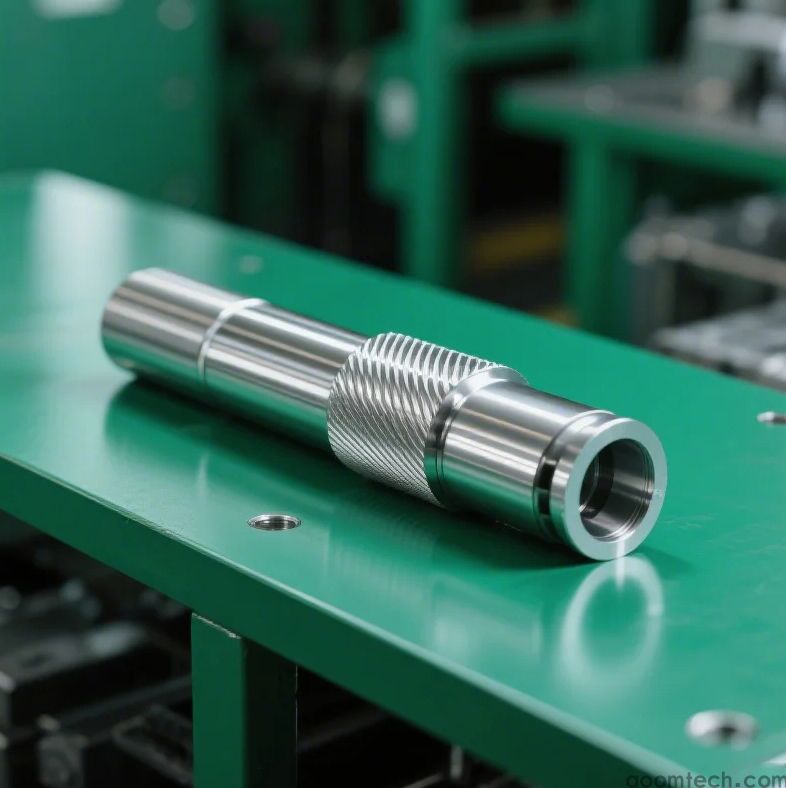
كيف يمكنك ، كمشتري ، التأكد من حصولك على أجزاء دقيقة ؟
هذا هو الجزء المهم حقًا ، أليس كذلك ؟ لا يتعلق الأمر فقط بمعرفة الأرقام ؛ يتعلق الأمر بالحصول على أجزاء جيدة في رصيف الاستقبال الخاص بك. إليك ما يمكنك فعله:
- ? Communicate Clearly (and Early!): Don't just put a tolerance on every single dimension on your drawing. That drives cost up. Identify the critical features that must be ultra-precise and call those out specifically. For non-critical areas, let them use a standard tolerance.
- ? Choose the Right Partner: Look for a machine shop that talks to you about these factors. If they ask about the part's function and discuss potential challenges, that's a great sign. If they just say "yes, we can do anything," be cautious.
- ? Ask About Their Process: Inquire about their quality control. Do they use first-article inspection? Do they have CMMs (Coordinate Measuring Machines) to verify complex parts? Their answers will tell you a lot.
من تجربتي الخاصة ، وجدت أن المتاجر الأكثر شفافية حول challenges of holding a tight tolerance are often the ones most capable of delivering on it. They're the ones thinking about the problem, not just running the machine.
هل تشديد دائما أفضل ؟ فكرة نهائية
من المغري تحديد أقصى قدر ممكن من التسامح ، معتقدين أنه يضمن جزءًا أفضل. ولكن هذا هو رأي المطلعين: unnecessarily tight tolerances can be a trap. They skyrocket your costs, increase production time, and can even lead to more scrap if the process isn't perfectly stable. The real goal is to define the widest acceptable tolerance that still allows your product to function flawlessly. This balance is the key to cost-effective and reliable high-precision part sourcing. Achieving that perfect balance between cost and performance, now that's the real art of manufacturing.
 كيفية اختيار موثوق التصنيع باستخدام الحاسب الآلي المورد لقطع
الاعتبارات الرئيسية لدقة التصنيع باستخدام الحاسب الآلي الإنت
كيفية منع المواد اللينة من التزييف في التصنيع باستخدام الحاس
كيفية اختيار موثوقة خدمة التصنيع باستخدام الحاسب الآلي: دليل
كيفية اختيار موثوق التصنيع باستخدام الحاسب الآلي المورد لقطع
الاعتبارات الرئيسية لدقة التصنيع باستخدام الحاسب الآلي الإنت
كيفية منع المواد اللينة من التزييف في التصنيع باستخدام الحاس
كيفية اختيار موثوقة خدمة التصنيع باستخدام الحاسب الآلي: دليل