


Tratamiento térmico y secuencia de mecanizado CNC, tratamiento térmico después de la deformación del mecanizado CNC Cómo hacer
¿Alguna vez se ha enfrentado al frustrante escenario en el que su pieza de precisión meticulosamente diseñada se deforma o se agrieta después del tratamiento térmico y el mecanizado CNC? 😫 No estás solo. Este punto de dolor común afecta a muchos ingenieros y gerentes de compras, convirtiendo un plano perfecto en un componente desechado. Sumérgete en resolver estos desafíos entrelazados.
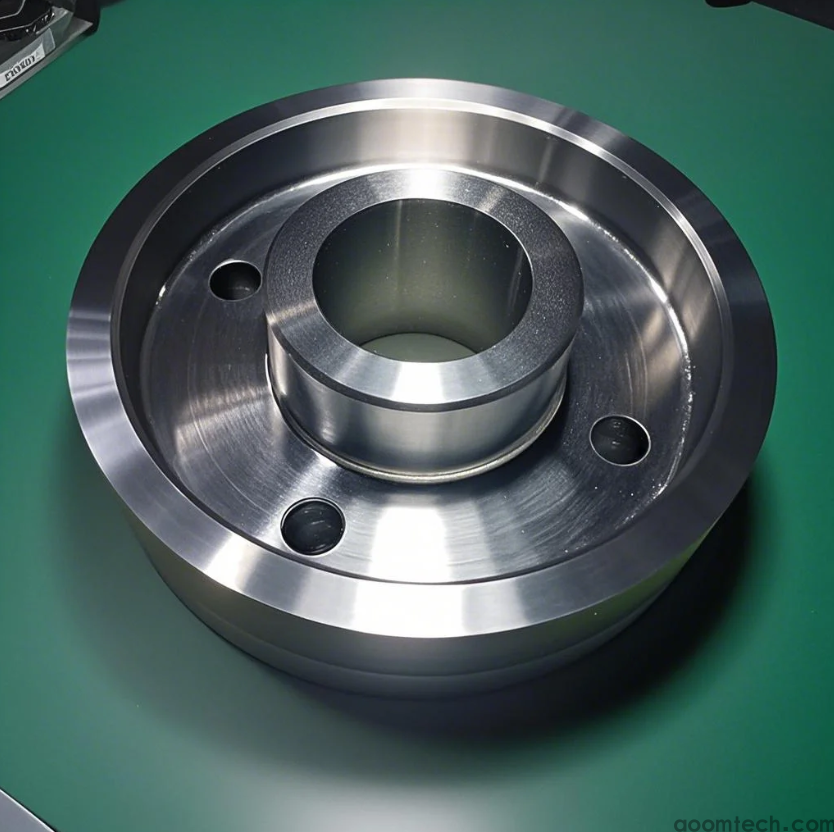
¿Cuál es el problema central detrás de este título?
Básicamente, todos quieren saber: ¿en qué orden debemos hacer el tratamiento térmico y el mecanizado CNC, y qué hacer cuando las cosas van mal con deformación? Es como preguntar, ¿debo cocinar el bistec primero y luego cortarlo, o al revés? La secuencia importa, y también lo hace la corrección de errores.
¿Por qué ocurre la deformación después del tratamiento térmico y el mecanizado CNC?
Cuando tratas con calor metal, como apagar o templar, básicamente lo estás estresando internamente. 🤒 Luego, cuando la máquina CNC toma sus cortes, podría liberar este estrés, causando deformaciones. Piense en ello como una persona estresada que finalmente se rompe. Estamos eliminando material, lo que cambia el equilibrio de la pieza. Residual stress is the main culprit here, but the exact way it triggers deformation in every material might need more looking into.
Tratamiento térmico y mecanizado CNC: ¿Cuál viene primero?
Este es el clásico problema del huevo y la gallina en la fabricación. Por lo general, el mecanizado en bruto es lo primero, luego el tratamiento térmico, seguido del mecanizado CNC de acabado. ¿Por qué?
• Rough Machining First: Removes bulk material, getting the part close to shape.
• Then Heat Treatment: Enhances hardness or toughness, but might cause slight distortion.
• Finish Machining Last: Cleans up any deformation from heat treatment, ensuring precise dimensions.
But, honestly, sometimes the sequence can flip depending on the material. I've seen cases where heat treatment first works better for some alloys, but that's a whole other debate.
Formas prácticas de reducir la deformación del mecanizado
Entonces, tu parte se deformó. ¿Ahora qué? ¡Que no cunda el pánico! Aquí hay algunas correcciones que uso a menudo:
• Stress Relief Annealing: Heat the part to a lower temperature to relax those internal stresses before final cuts. It's like giving the metal a spa day. 🧖
• Adjust CNC Parameters: Slow down the cutting speed or use lighter passes. Less aggression means less shock to the stressed material.
• Use Fixtures: Clamp the part securely during machining to resist warping forces.
Although these methods help, the full picture of how every material reacts is still a bit fuzzy in some areas, so trial and error is key.
Elegir el proceso de tratamiento térmico adecuado
No todos los tratamientos térmicos son iguales. Para piezas mecanizadas CNC, puede elegir:
• Quenching and Tempering: For high strength and toughness.
• Annealing: To soften the material for easier machining.
• Case Hardening: For a hard surface and tough core.
Match the process to your part's job—like picking the right tool for the job. 🔧 But remember, each choice affects how the CNC machine should handle it later.
Trampas comunes y cómo esquivarlas
Muchas personas apresuran el proceso, lo que lleva a errores costosos. Cuidado con:
• Skipping rough machining and going straight to finish cuts after heat treatment.
• Ignoring material-specific guidelines—what works for steel might not for aluminum.
• Overlooking post-machining checks for micro-cracks.
On the flip side, taking it slow and testing samples can save headaches. I always say, measure twice, cut once! 😊
En mi opinión, recibir tratamiento térmico y mecanizado CNC para jugar bien es parte arte, parte ciencia. Si bien tenemos reglas generales, cada proyecto enseña algo nuevo. ¡Con suerte, esto le da un comienzo sólido para abordar esos azules de deformación y dilemas de secuencia!
 ¿Qué Factores Afectan a la Cotización de Mecanizado CNC?
¿Cómo Garantiza Una Fábrica De Mecanizado CNC De Alta Precis
¿Cómo se calcula el precio de la personalización del mecaniz
Cómo calcular el costo de mecanizado CNC
¿Qué Factores Afectan a la Cotización de Mecanizado CNC?
¿Cómo Garantiza Una Fábrica De Mecanizado CNC De Alta Precis
¿Cómo se calcula el precio de la personalización del mecaniz
Cómo calcular el costo de mecanizado CNC