


Su guía para el mecanizado CNC de lotes pequeños de alta precisión: costo, calidad y consejos
¡Hola, compañeros ingenieros y profesionales de compras! ? ¿Alguna vez ha estado atrapado en una situación en la que solo necesita 50 o 100 piezas superprecisas, pero cada taller de máquinas con el que contacta tiene precios altísimos o actúa como si su pedido no valiera la pena? Es frustrante, ¿verdad? No estás solo. Este es el punto de dolor exacto que high-precision small-batch CNC machining aims to solve. Let's break down how it works and why it might be the perfect solution for your next project.
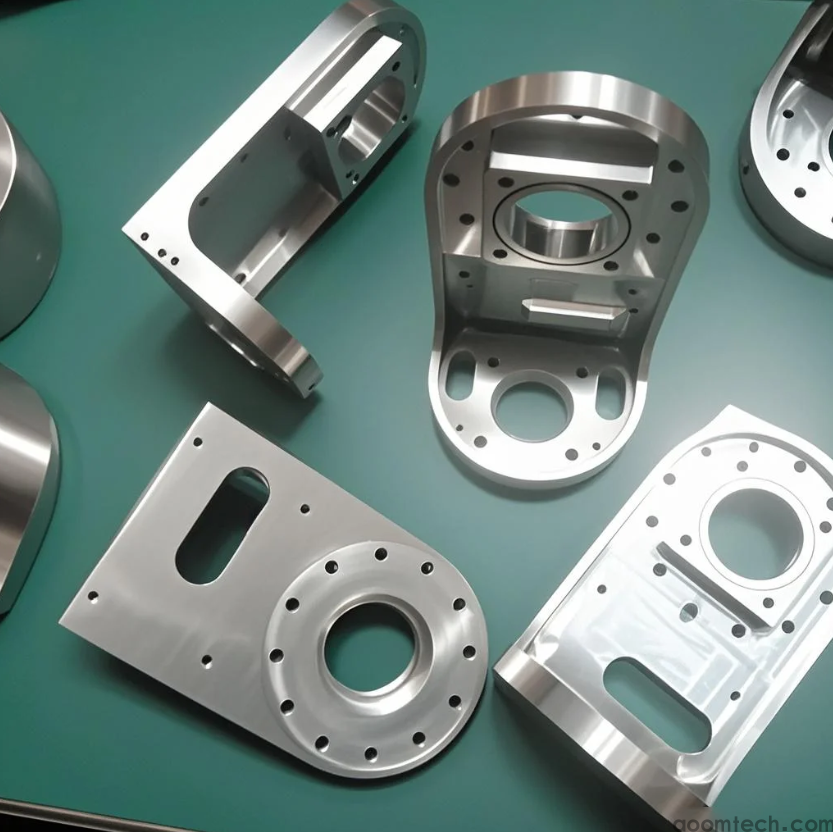
¿Qué es exactamente el mecanizado CNC en lotes pequeños, de todos modos?
Piénsalo así: en lugar de pedir mil piezas idénticas de una cinta transportadora, obtienes una serie limitada de componentes cuidadosamente elaborada. Small-batch CNC machining is all about producing a specific, limited quantity of parts with the same attention to detail and high accuracy as a large production run. It's perfect for prototypes, custom fixtures, or when you simply don't need millions of something. The core idea is flexibility without sacrificing the tight tolerances and fine finishes you require.
¿Por Qué Ir Pequeño Lote? Las Mayores Ventajas
Entonces, ¿por qué elegirías esta ruta? Los beneficios son bastante atractivos para las empresas que necesitan agilidad.
✅ Lower Upfront Cost: You're not tying up a huge amount of capital in a massive inventory of parts. You pay for what you need, when you need it.
✅ Amazing Flexibility: Found a small design flaw after the first 10 units? No problem! You can make adjustments quickly and cheaply for the next batch. This makes iterative design a breeze.
✅ Faster Turnaround: Smaller batches naturally take less time to produce than large-scale orders. This means you can get your product to testing or to market much quicker. Speed can be a huge advantage.
El verdadero desafío: equilibrar costo y calidad
Ahora, seamos realistas. No todo es sol y arcoíris. El mayor dolor de cabeza en small-batch machining is often the cost-per-part. Because the setup time and programming effort are spread over fewer units, each part carries a higher share of that initial cost. However, from my experience, this is where a good partner shines. A shop that specializes in this understands the economics and can often suggest material choices or slight design tweaks that save you money without wrecking the part's function. The specific calculation for optimizing this balance can be a bit of a dark art, depending on the geometry.
Cómo elegir el socio adecuado para sus necesidades de lotes pequeños
Elegir un taller mecánico para un trabajo pequeño y preciso es diferente de elegir uno para la producción en masa. Esto es lo que suelo buscar:
? Communication is Key: Do they answer your emails quickly and clearly? Do they ask smart questions about your design? This is a huge green flag.
? Check Their Equipment Portfolio: A shop with a variety of modern CNC mills and lathes is more likely to handle complex, high-precision work. Don't be shy to ask!
? Look for Prototype & Small-Run Focus: Some shops outright say they specialize in this. Those are your best bet, as their entire process is built for it. I've found that shops that mainly do huge runs can sometimes be less attentive to smaller orders, even if they accept them.
Un Echo Rápido En El Proceso (¡No Es Magia!)
¿Te preguntas cómo fluye? Es bastante sencillo. Envías tu archivo de diseño (como un PASO o IGES). Lo revisan por manufacturability and might suggest changes to make it easier and cheaper to make. Then, they program the machines, set up the raw material, and start cutting. Each part is often individually checked for quality. This hands-on approach is what ensures the high quality in small quantities.
En última instancia, high-precision small-batch CNC machining is a powerful tool when you need quality parts fast without the commitment of a massive order. It empowers innovation and allows for rapid testing and development. Finding a shop that gets this model is half the battle won. Maybe it's time to give that small-batch idea a shot? ?
 ¿Qué Factores Afectan a la Cotización de Mecanizado CNC?
¿Cómo Garantiza Una Fábrica De Mecanizado CNC De Alta Precis
¿Cómo se calcula el precio de la personalización del mecaniz
Cómo calcular el costo de mecanizado CNC
¿Qué Factores Afectan a la Cotización de Mecanizado CNC?
¿Cómo Garantiza Una Fábrica De Mecanizado CNC De Alta Precis
¿Cómo se calcula el precio de la personalización del mecaniz
Cómo calcular el costo de mecanizado CNC