


Los mejores materiales para ejes de transmisión de mecanizado CNC: una guía práctica
¡Hola, compañeros ingenieros y profesionales de compras! ? Alguna vez ha estado atrapado en una reunión, debatiendo el best material for a CNC machined drive shaft? You know the drill – one team argues for strength, another for cost, and you're left wondering if there's a perfect answer. The truth is, picking the wrong material can lead to premature failure, costly downtime, and a whole lot of headaches. So, let's cut through the noise and figure this out together. What exactly should you be looking for?
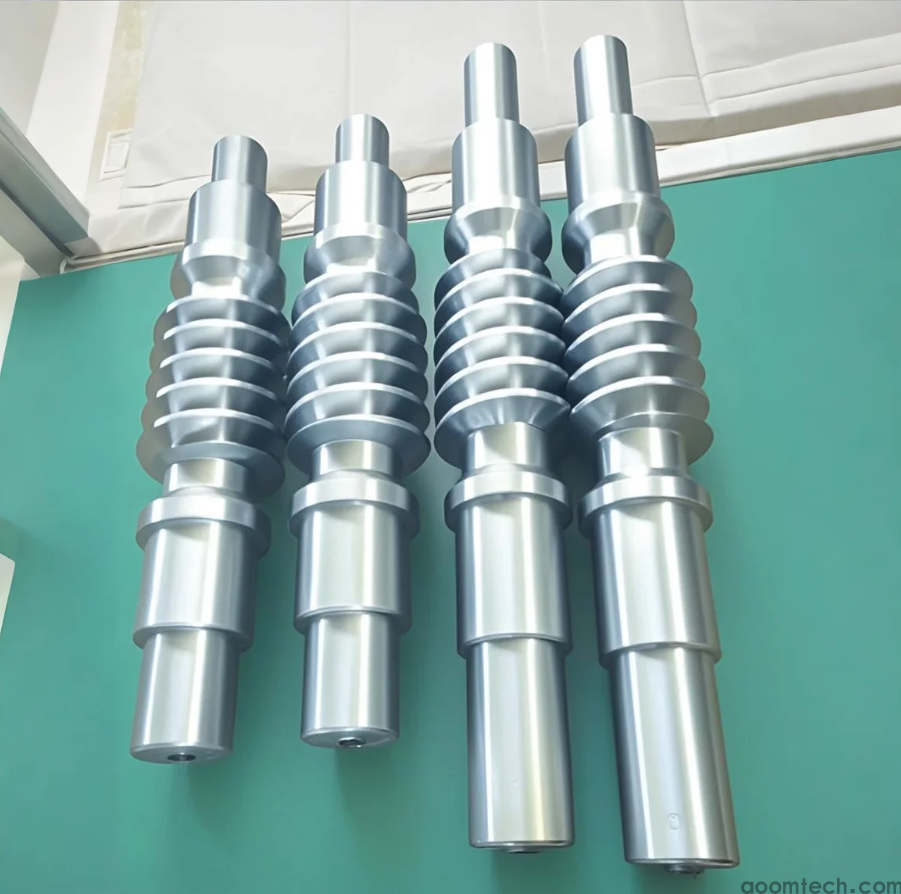
¿Cuál es el gran problema con los materiales del eje de transmisión de todos modos?
Piense en el eje de transmisión como la espina dorsal de su sistema de transmisión de potencia. Tiene que ser duro, pero no quebradizo; resistente al desgaste, pero a menudo necesita ser liviano. La pregunta central que estamos abordando es: CNC加工传动轴用什么材料好? Or in English, what materials are best? The short answer is: it wildly depends on your application. There's no one-size-fits-all, but some materials are superstar performers for most jobs. We'll dive into those now.
Contendiente superior: acero de aleación (como 414 o 434)
Si estamos hablando de un caballo de batalla, es acero aleado. Veo esto usado all the time.
Por qué es genial:
• Super strong and tough: It handles high torque and shock loads like a champion.
• Great wear resistance: It lasts a long time, even in tough conditions.
• Cost-effective: Generally offers a good balance of performance and price.
Cuidado con:
• Es pesado, por lo que no es ideal para aplicaciones donde el peso es una gran preocupación (como la aeroespacial).
• It can rust if not properly coated or treated.
¿Mi toma? Para la mayoría de maquinaria industrial, equipo pesado y aplicaciones automotrices, alloy steel is the default starting point. It's a safe, reliable bet. The specific heat treatment process, however, can drastically change its properties, and that's an area where the exact science can get pretty complex.
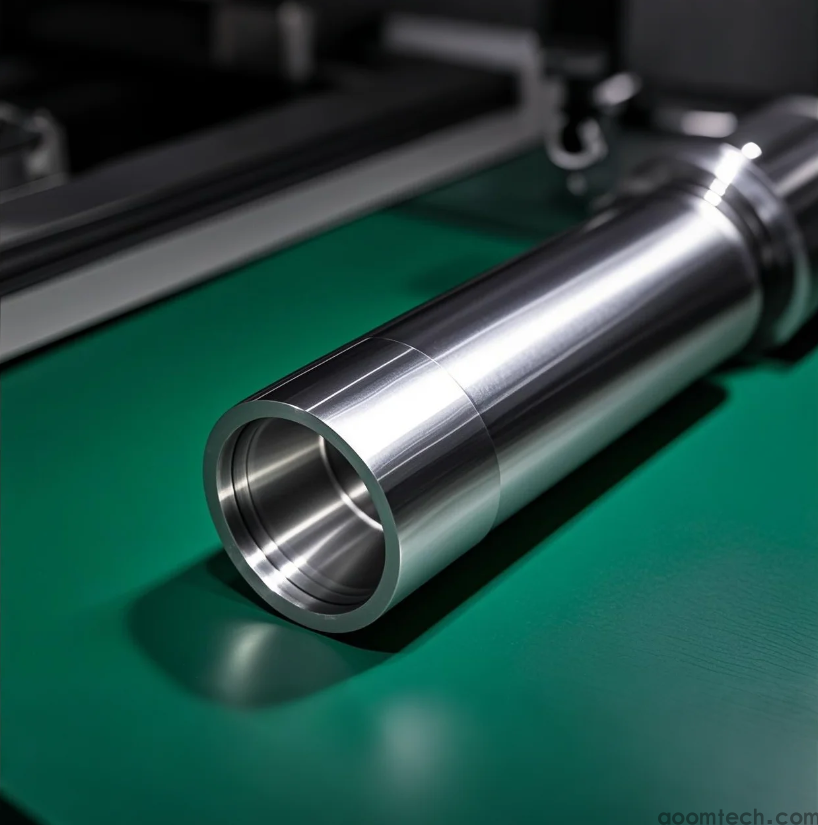
El Campeón Ligero: Aluminio (Como 6061 o 7075)
¿Necesitas algo ligero y rápido para mecanizar? El aluminio es tu amigo.
Por qué es genial:
• Super lightweight: Crucial for drones, racing vehicles, and high-speed spindles.
• Good strength-to-weight ratio: 7075 aluminum, for instance, has strength close to some steels.
• Corrosion resistant: It forms a protective oxide layer naturally.
Cuidado con:
• No es tan fuerte como el acero, por lo que no es adecuado para aplicaciones de trabajo pesado y alto torque.
• It can fatigue over time under repeated stress.
A menudo uso prototipos de aluminio porque son rápidos de mecanizar y fáciles de probar con. Pero para un producto final que necesita una paliza, es posible que deba buscar en otra parte.
El luchador contra la corrosión: acero inoxidable (como 304 o 316)
¿Trabajando en un ambiente húmedo o químico? El acero inoxidable se intensifica.
Por qué es genial:
• Excellent corrosion resistance: Perfect for food processing, marine, or chemical industries.
• Good strength and hardness: It's certainly no slouch in the performance department.
Cuidado con:
• More expensive than alloy steels.
• It can be a bit gummy and tougher on cutting tools during the CNC machining process.
Si bien el acero inoxidable es fantástico para resistir el óxido, el mecanismo detrás de su capa de pasivación es algo que no estoy completamente calificado para explicar en detalle. ¡Simplemente funciona! ? Pero hablando de cosas que funcionan, hay otra opción que es silenciosamente brillante.
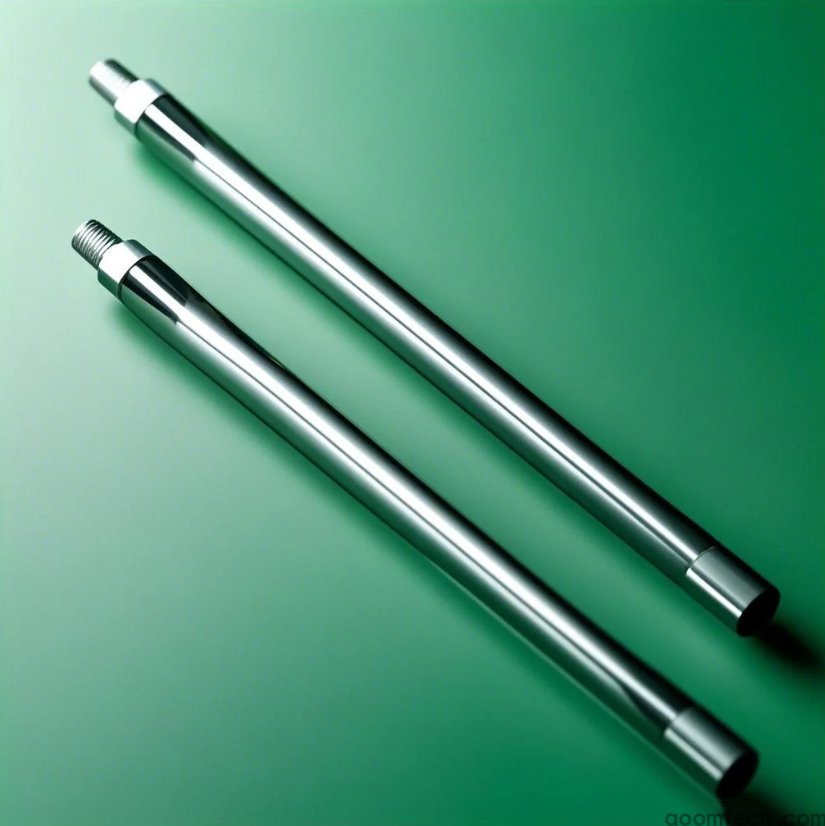
El Especialista: Titanio (Como Grado 5 o Ti-6Al-4V)
Cuando necesitas lo último combination of strength, lightness, and corrosion resistance, titanium is the answer. But it comes at a price.
Por qué es genial:
• Increíble relación fuerza-peso.
• Biocompatible y altamente resistente a la corrosión.
Cuidado con:
• Very high cost for both material and machining.
• Challenging to machine, requiring specialized tools and expertise.
Encontrarás esto en aeroespacial de alta gama, implantes médicos y carreras de alto rendimiento. Perhaps it's not an overstatement to say that for the most demanding applications, titanium is unbeatable. But for the other 95% of projects, the previous options are more than enough.
Entonces, ¿cómo eliges realmente?
No se limite a elegir el "mejor" material. Elige el right one. Ask yourself these questions:
• What are the torque and load requirements? (This points you to strength needs)
• Is weight a critical factor? (This decides the strength-to-weight ratio focus)
• What environment will it operate in? (Wet, dry, chemical? This dictates corrosion resistance)
• What's the budget? (This is the reality check!)
Desde mi experiencia, un bien elegido alloy steel often provides the best value for general engineering. However, the rise of compact, high-performance robotics is pushing more designers towards advanced aluminum alloys and even composites, though that's a topic for another day. The landscape of available materials is always shifting, and what was ideal a decade ago might be surpassed by something new tomorrow.
 ¿Qué Factores Afectan a la Cotización de Mecanizado CNC?
¿Cómo Garantiza Una Fábrica De Mecanizado CNC De Alta Precis
¿Cómo se calcula el precio de la personalización del mecaniz
Cómo calcular el costo de mecanizado CNC
¿Qué Factores Afectan a la Cotización de Mecanizado CNC?
¿Cómo Garantiza Una Fábrica De Mecanizado CNC De Alta Precis
¿Cómo se calcula el precio de la personalización del mecaniz
Cómo calcular el costo de mecanizado CNC