
¿Qué Tolerancia Puedes Lograr con Mecanizado CNC De Barras? Una Guía Práctica
¡Hola, compañeros ingenieros y profesionales de compras! 👋 Alguna vez se encontró mirando un dibujo técnico, preguntándose si su proveedor de mecanizado de barras CNC puede actually hit those tiny tolerance numbers? You're not alone. I've been in those meetings where everyone nods, but deep down, there's that nagging question: "What's realistically achievable?" Let's cut through the marketing fluff and talk real numbers. 🤔
Entonces, ¿cuál es el verdadero negocio con de precisión de mecanizado de barras CNC?
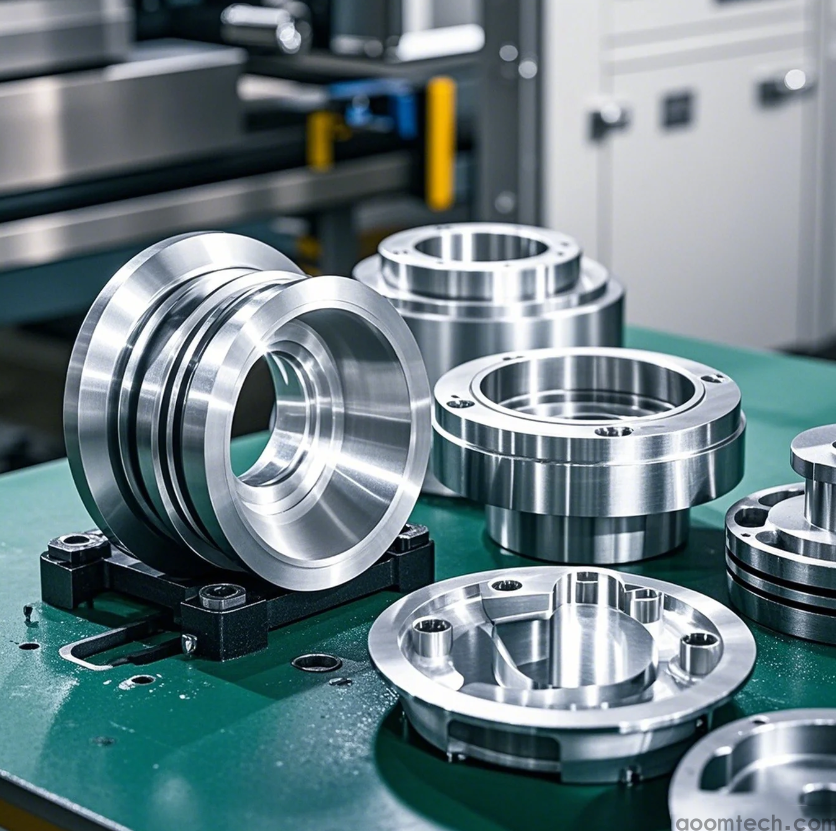
Lo primero es lo primero, respondamos a la gran pregunta. Para la mayoría de los trabajos de mecanizado de barras CNC estándar, generalmente puede esperar mantener las tolerancias alrededor ±.025 mm to ±.05 mm (±.001" to ±.002"). That's about the thickness of a human hair! But—and this is a big but—this isn't a guarantee for every single part. It depends on a whole bunch of factors that we'll dig into next. I've seen shops consistently hit these numbers on aluminum and brass, but when it comes to some tricky plastics or super-alloys, the story can change.
¿Qué factores realmente estropean Con su precisión de mecanizado?
Nunca se trata solo de la máquina. Aquí están los sospechosos habituales que pueden hacer o romper sus objetivos de tolerancia:
✅ The Material Itself: Some materials are just easier to work with. Aluminum is pretty forgiving and stable, making it a dream for tight tolerances. But something like stainless steel? It can be a bit of a diva, moving around with heat and stress. The exact way different alloys behave under the cutting tool is something I'm still wrapping my head around.
✅ Machine Condition and Age: A brand-new, high-end Swiss-type lathe is a precision beast. An older, worn-out machine might struggle. It's that simple.
✅ The Length of the Part: This is a big one that often gets overlooked. Trying to hold a tight tolerance on a long, skinny bar? That's much harder than on a short, stubby part. Vibration and deflection become your enemies.
¿Cómo puede ayudar a su proveedor a alcanzar esas tolerancias más estrictas?
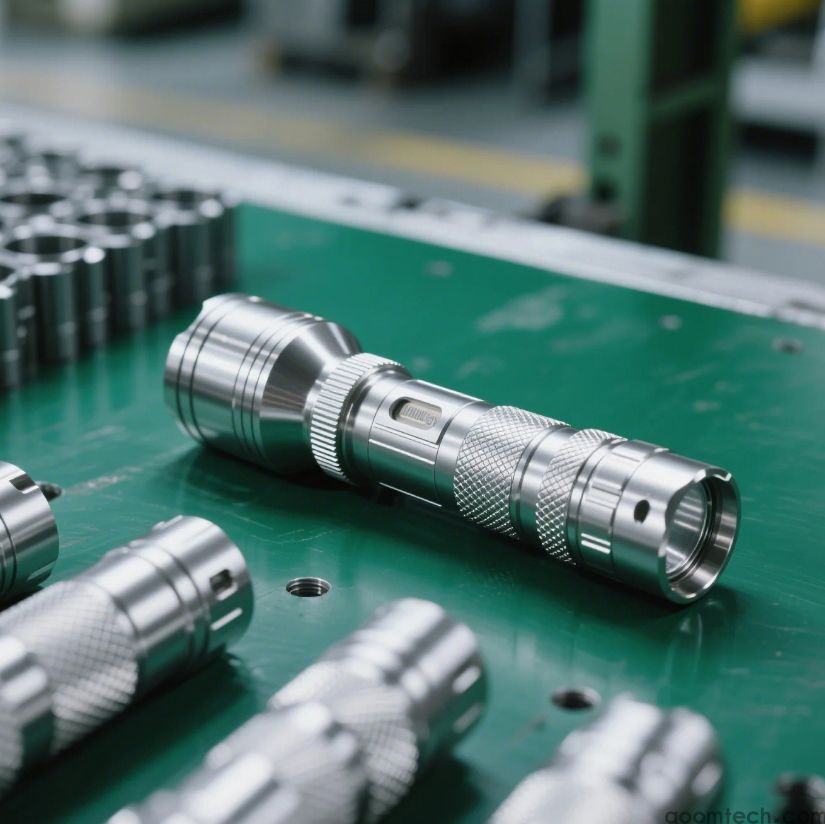
Lo creas o no, ¡tú también tienes un papel que desempeñar! Así es como puede configurar su proyecto para el éxito:
🔧 Be Smart with Your Tolerances: Don't just call out super tight tolerances everywhere on the drawing. I always ask my team, "Does this surface really need to be that precise?" Only apply tight tolerances to critical features. This saves cost and headache.
🔧 Talk to Your Machinist Early: Get their input during the design phase. They might suggest a small change that makes the part much easier and cheaper to machine accurately.
🔧 Choose the Right Material: If high precision is your goal, maybe an aluminum grade is a better bet than that specific stainless steel you had in mind. Discuss the options.
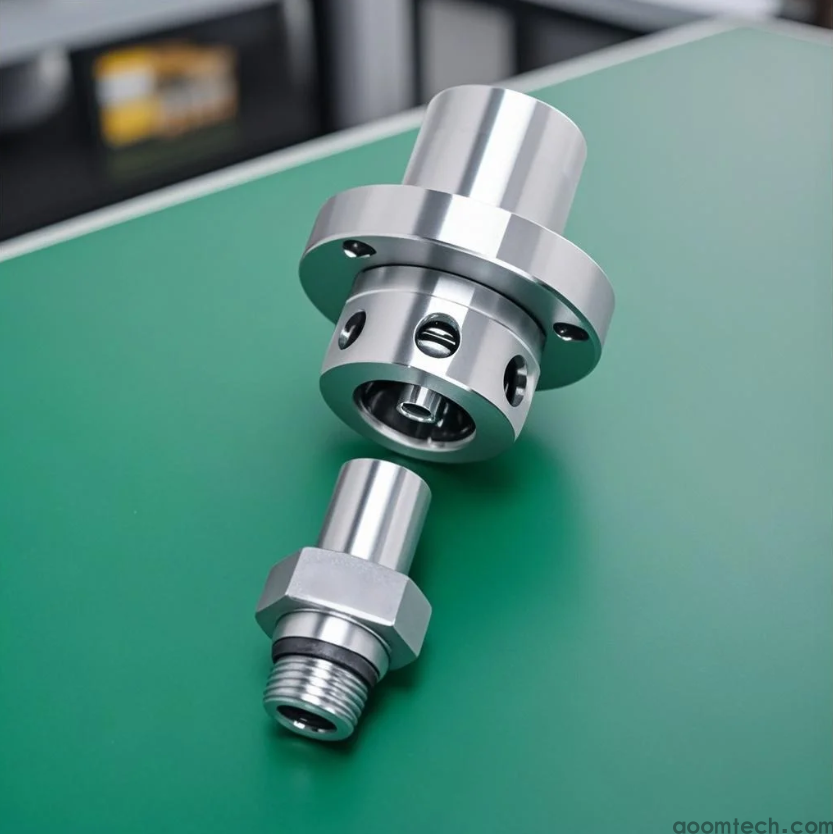
¿Es "Más precisión" siempre la respuesta correcta?
Aquí están mis dos centavos, de ver cientos de proyectos. Perseguir la tolerancia más estricta posible suele ser una trampa. 🤯 El costo no aumenta linealmente; sube como un palo de hockey. Ese último.01 mm de precisión podría duplicar el costo de su pieza. Tienes que preguntar: What does the function of the part actually require? Sometimes, "good enough" is not just good enough—it's the smartest business decision. Perfection can be the enemy of profitability.
Dicho esto, para componentes críticos en dispositivos aeroespaciales o médicos, esa precisión extrema no es negociable. Pero para muchas aplicaciones generales, tal vez sea exagerado. La verdadera habilidad es conocer la diferencia.
Desde mi experiencia, los mejores resultados provienen de una asociación. No se trata solo de presionar a un proveedor por el precio más bajo y la mayor precisión. Se trata de una comunicación clara, expectativas realistas y comprensión de las compensaciones. He descubierto que ser sincero sobre sus necesidades de presupuesto y rendimiento conduce a un proceso mucho más suave y un mejor producto final. 🚀 Solo algo en lo que pensar para su próximo proyecto.
 ¿Qué Factores Afectan a la Cotización de Mecanizado CNC?
¿Cómo Garantiza Una Fábrica De Mecanizado CNC De Alta Precis
¿Cómo se calcula el precio de la personalización del mecaniz
Cómo calcular el costo de mecanizado CNC
¿Qué Factores Afectan a la Cotización de Mecanizado CNC?
¿Cómo Garantiza Una Fábrica De Mecanizado CNC De Alta Precis
¿Cómo se calcula el precio de la personalización del mecaniz
Cómo calcular el costo de mecanizado CNC