


Lavorazione CNC di precisione: cos'è e perché è importante per il tuo progetto?
Hai mai inviato un progetto per la produzione, solo per ottenere parti che sono just slightly off? ? That tiny gap, that imperfect fit – it can throw your entire project timeline and budget into chaos. If you're a procurement manager or an engineer, you know this headache all too well. This is where understanding Precision CNC Machining Manufacturing becomes not just useful, but absolutely critical. Let's break down what it really is and why it might be the key to your next project's success.
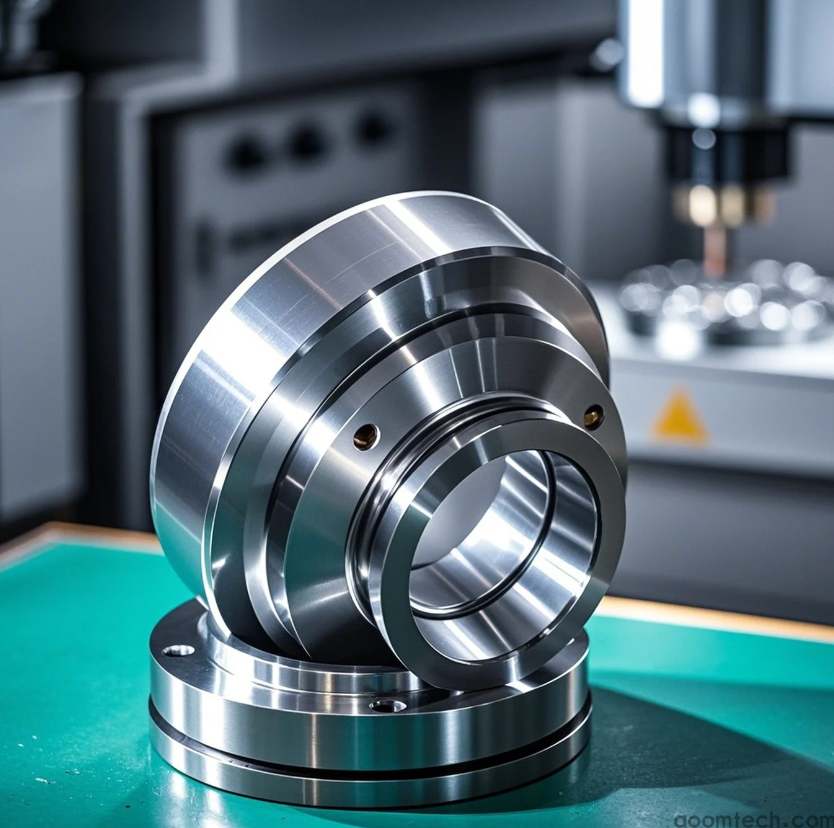
Cos'è esattamente la lavorazione CNC di precisione?
Nel suo cuore, la lavorazione CNC di precisione è un modo di realizzare parti in cui i computer guidano gli strumenti con incredibile precisione. Pensalo come uno scultore super-abile, ma uno che segue le istruzioni digitali fino al micron, senza mai stancarsi o commettere un errore casuale. Si tratta di prendere un blocco di materiale - come metallo o plastica - e carving away at it with extreme precision to create a final part that matches the digital design perfectly.
Mentre questo suona semplice, la parte "precisione" è ciò che lo separa dalla lavorazione standard. È la differenza tra qualcosa che è "approssimativamente giusto" e qualcosa che fits perfectly every single time.
Perché dovresti preoccuparti delle tolleranze?
Se ricordi una cosa di questo, lascia che siatolerances." This is just a fancy word for the allowed amount of variation in a part's dimensions. A tighter tolerance means the part has to be much closer to the exact specified size.
Per esempio:
Una tolleranza di ± 0,1 mm è abbastanza comune e meno rigorosa.
• A tolerance of ±.025mm is much tighter and requires high precision.
• Some industries, like aerospace or medical, demand tolerances as tight as ±.005mm or even less! ?
Ecco il punto, però: richiedere tolleranze estremamente strette quando non ne hai veramente bisogno può unnecessarily drive up your costs. The specific relationship between tolerance levels, material choice, and final cost is an area where my knowledge gets a bit fuzzy, and it often depends on the project details. So, it's always a good conversation to have with your manufacturing partner.
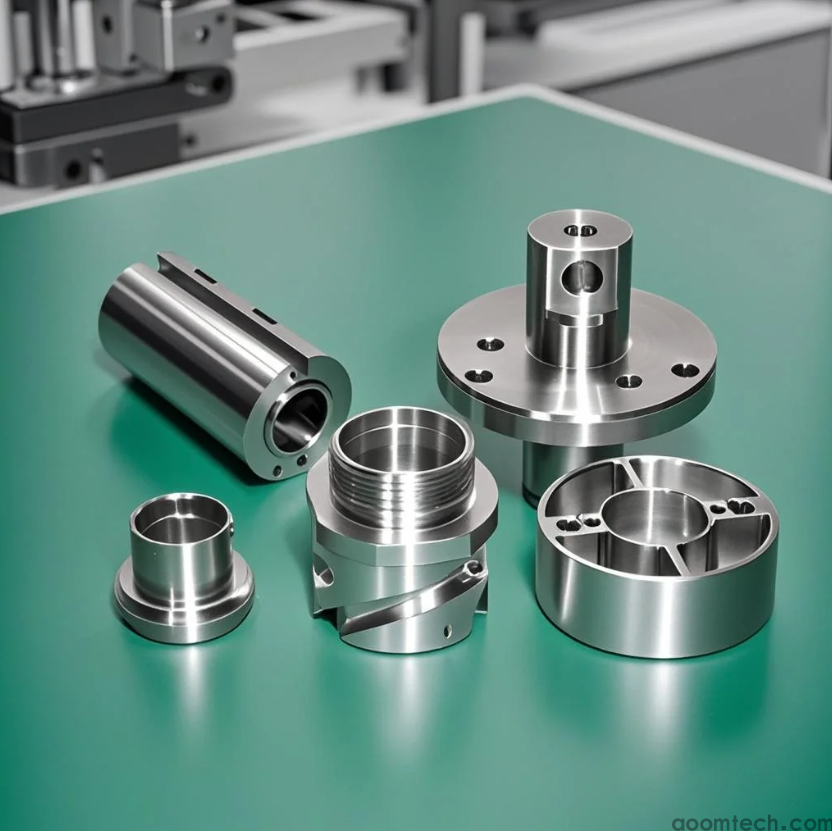
Quali materiali possono essere utilizzati?
Il CNC di precisione non è esigente! Funziona con una vasta gamma di materiali. Questa flessibilità è un enorme vantaggio.
Le scelte comuni includono:
• Metals: Aluminum (light and strong), Stainless Steel (corrosion-resistant), Brass...
• Plastics: POM (for low friction), Nylon, PC (Polycarbonate for impact resistance)...
• Even more exotic materials like titanium can be handled.
Trovo spesso che l'alluminio offra un grande equilibrio di lavorabilità, resistenza e costo per molti dei progetti che considero. Ma la scelta migliore sempre, e intendo always, depends on what the part needs to do in the real world.
Come scegliere il giusto partner per la lavorazione di precisione?
Questa è probabilmente la domanda più importante. Puoi avere il miglior design, ma senza il produttore giusto, le cose possono andare a sud. Dal mio punto di vista, non si tratta solo di chi ha le macchine più brillanti.
Dovresti cercare:
• Proven Experience: Can they show you examples of similar work?
• Quality Control: What steps do they take to check parts during production? This is huge.
• Communication: Are they easy to talk to? Do they understand your needs?
Tuttavia, è anche giusto dire che un negozio più piccolo e altamente specializzato potrebbe talvolta offrire un servizio più personalizzato di una fabbrica gigante, anche se quella più grande ha più macchine. È un equilibrio.
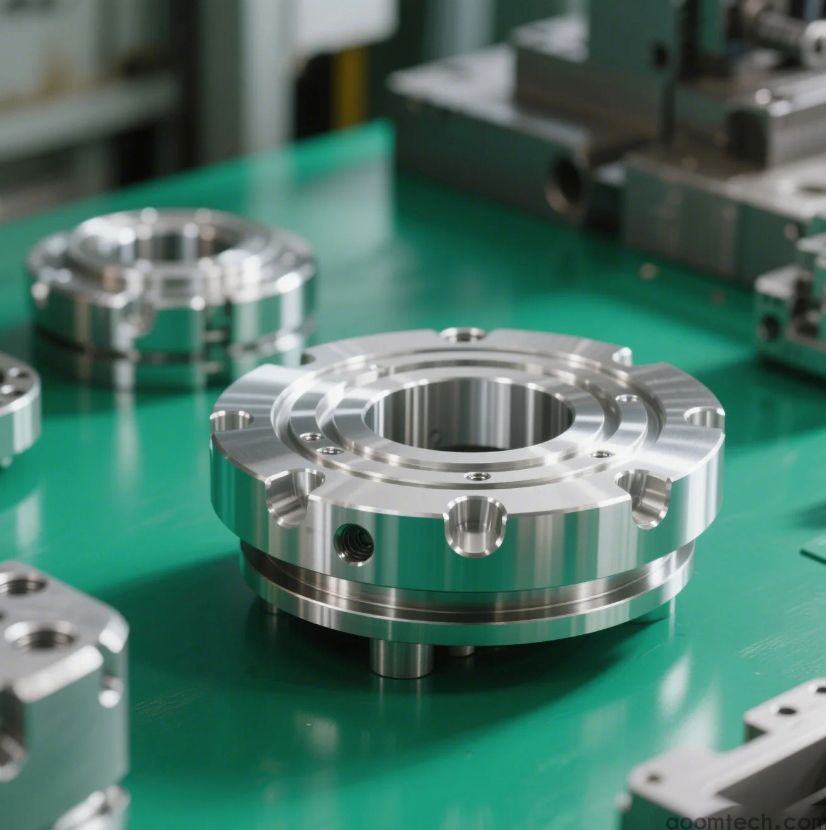
Il CNC di precisione è solo per grandi quantità?
Questo è un mito comune! Molte persone pensano che il CNC sia conveniente solo per migliaia di parti. Ma non è più vero. Con configurazioni moderne, low-volume and even prototype runs are totally practical. This is fantastic because it lets you test a design before committing to a massive production order, saving potential headaches and money down the line.
Quindi, se hai bisogno di one perfect part or a small batch for testing, precision CNC machining can still be a viable option. It perhaps suggests that the manufacturing landscape has become much more adaptable to different project scales.
Alla fine della giornata, ottenere i componenti giusti la prima volta dipende da una comunicazione chiara e dalla scelta di un processo che si allinea con le tue esigenze di qualità. Speriamo che questo ti dia un quadro più chiaro di ciò che la lavorazione CNC di precisione porta sul tavolo. ?
 Come calcolare il costo di lavorazione CNC
Come garantire la precisione nelle parti lavorate a CNC
Piccolo lotto di parti di precisione Produttore di lavorazio
Quali fattori influenzano il preventivo di lavorazione CNC?
Come calcolare il costo di lavorazione CNC
Come garantire la precisione nelle parti lavorate a CNC
Piccolo lotto di parti di precisione Produttore di lavorazio
Quali fattori influenzano il preventivo di lavorazione CNC?