


Quanto può essere accurata la lavorazione CNC? Una guida pratica per gli acquirenti
Hai mai ricevuto un lotto di parti che semplicemente... non si adattavano? ? Quella sensazione di affondamento quando il tuo progetto viene bloccato perché i componenti sono un capello fuori specifica. Se sei un responsabile degli acquisti o un ingegnere, sai che la precisione non è solo un bello da avere; è il fondamento di un prodotto funzionale. Quindi, quando stai acquistando CNC high-precision parts, the burning question is: just how accurate can this process really get? Let's cut through the marketing fluff and talk real numbers and practical realities.
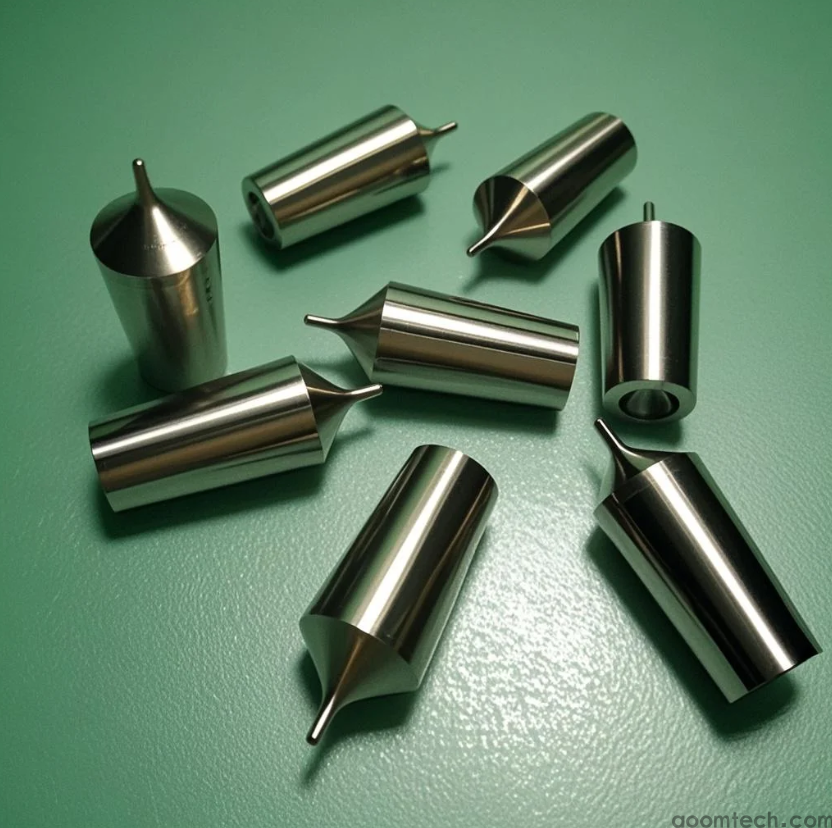
Cosa significa "precisione" anche nella lavorazione CNC?
Prima di tutto, è facile aggrovigliarsi in termini. Le persone spesso usano "precisione" e "precisione" come se fossero la stessa cosa, ma c'è una differenza fondamentale. Pensala in questo modo: Accuracy is about hitting the bullseye. If you aim for a dimension of 25.000 mm, an accurate machine will get you very close to that. Precision, on the other hand, is about doing it consistently. If you shoot ten arrows and they all land in the same spot—even if it's not the bullseye—that's precision. For CNC high-precision parts, we need both. We need to hit the target dimension and do it over and over, part after part.
Quindi, quali sono le tolleranze del mondo reale che possiamo aspettarci?
Va bene, arriviamo al cuore. Per la maggior parte degli standard CNC machining services, a common tolerance to expect is around ±.005 inches or ±.125 millimeters. That's pretty good for a vast majority of applications. But when we talk about high-precision CNC work, things get tighter. It's not uncommon to achieve tolerances of ±.0005 inches (±.0127 mm) or even tighter under controlled conditions.
Tuttavia, è super importante sapere che questo non è un numero magico. L'effettiva tolleranza realizzabile dipende fortemente da una serie di fattori. Il tipo di materiale, le dimensioni del pezzo, la caratteristica specifica da lavorare e persino la temperatura in officina possono svolgere un ruolo. Quindi, mentre quei numeri ultra-stretti sono possibili, potrebbero non essere possibili per la geometria specifica del pezzo.
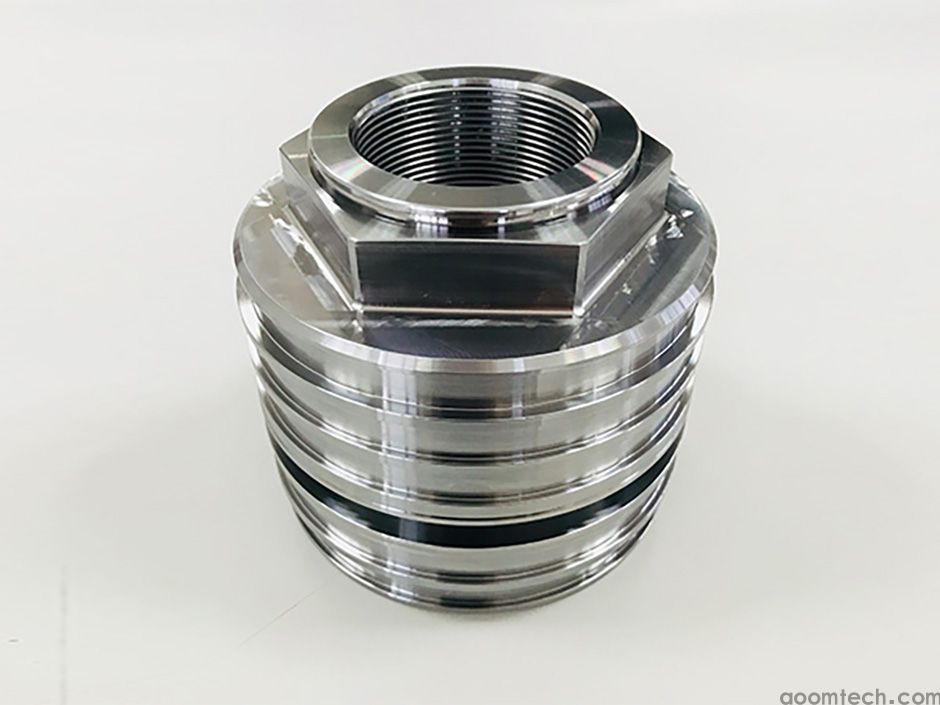
Quali fattori interferiscono con la precisione CNC?
Non puoi semplicemente ordinare una parte e sperare per il meglio. Sapere cosa influenza l'accuratezza ti aiuta ad avere una conversazione più intelligente con il tuo fornitore. Ecco i grandi:
- ?️ The Machine Itself: An older, worn-out machine will naturally have more play and vibration than a well-maintained, modern one.
- ?️ Thermal Expansion: This is a huge one that's often overlooked. Metal expands when it gets hot. The heat from the cutting process itself can cause the part to grow, throwing dimensions off. Good shops have climate control and even use coolant to manage this.
- ? Tooling and Fixturing: A dull cutting tool or a part that isn't clamped down securely will definitely hurt your precision. It seems basic, but it's where many errors start.
Ma, e questo è grande, il meccanismo specifico di quanto ogni fattore contribuisce per un determinato materiale può essere un puzzle complesso che persino gli esperti discutono. L'esatta interazione tra percorso utensile, velocità del mandrino e durezza del materiale a volte sembra più un'arte che una scienza.
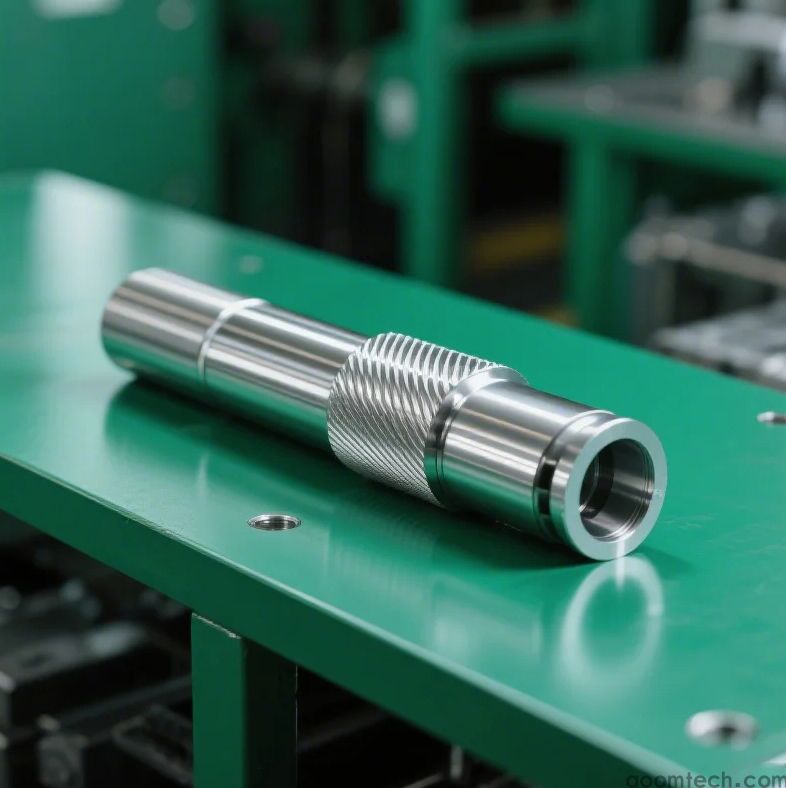
Come puoi, come acquirente, assicurarti di ottenere parti accurate?
Questa è la parte che conta davvero, giusto? Non si tratta solo di conoscere i numeri; si tratta di ottenere buone parti sul dock di ricezione. Ecco cosa puoi fare:
- ? Communicate Clearly (and Early!): Don't just put a tolerance on every single dimension on your drawing. That drives cost up. Identify the critical features that must be ultra-precise and call those out specifically. For non-critical areas, let them use a standard tolerance.
- ? Choose the Right Partner: Look for a machine shop that talks to you about these factors. If they ask about the part's function and discuss potential challenges, that's a great sign. If they just say "yes, we can do anything," be cautious.
- ? Ask About Their Process: Inquire about their quality control. Do they use first-article inspection? Do they have CMMs (Coordinate Measuring Machines) to verify complex parts? Their answers will tell you a lot.
Dalla mia esperienza personale, ho scoperto che i negozi che sono più trasparenti sul challenges of holding a tight tolerance are often the ones most capable of delivering on it. They're the ones thinking about the problem, not just running the machine.
Più stretto è sempre meglio? Un pensiero finale
Si è tentati di specificare la tolleranza più stretta possibile, pensando che garantisca una parte migliore. Ma ecco la presa interna: unnecessarily tight tolerances can be a trap. They skyrocket your costs, increase production time, and can even lead to more scrap if the process isn't perfectly stable. The real goal is to define the widest acceptable tolerance that still allows your product to function flawlessly. This balance is the key to cost-effective and reliable high-precision part sourcing. Achieving that perfect balance between cost and performance, now that's the real art of manufacturing.
 Come calcolare il costo di lavorazione CNC
Come garantire la precisione nelle parti lavorate a CNC
Piccolo lotto di parti di precisione Produttore di lavorazio
Quali fattori influenzano il preventivo di lavorazione CNC?
Come calcolare il costo di lavorazione CNC
Come garantire la precisione nelle parti lavorate a CNC
Piccolo lotto di parti di precisione Produttore di lavorazio
Quali fattori influenzano il preventivo di lavorazione CNC?