


熱処理とCNC加工シーケンス、CNC加工変形後の熱処理の方法
あなたは、細心の注意を払って設計された精密部品が熱処理やCNC加工後に歪んだり割れたりするという、イライラするシナリオに直面したことがありますか??あなただけではありません。この共通の問題点は、多くのエンジニアや調達マネージャーを悩ませ、完璧な設計図を廃棄された部品に変えてしまいます。これらの絡み合った課題を解決するために、掘り下げてみましょう。
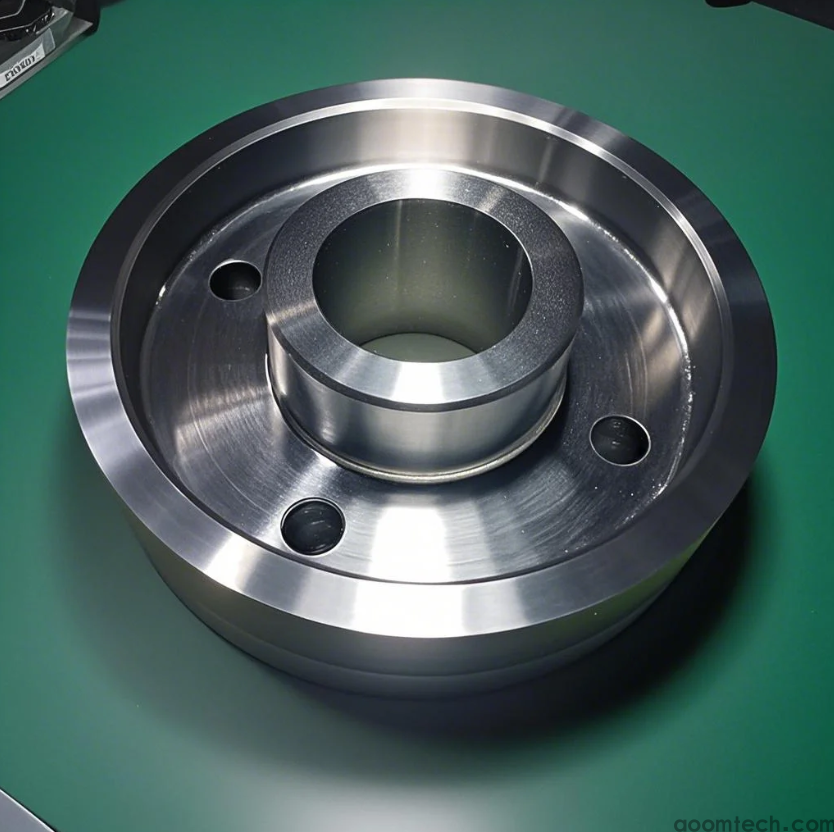
このタイトルの背後にある核心的な問題は何ですか?
基本的に、誰もが知りたがっています:熱処理とCNC加工をどの順序で行うべきか、そして変形が起こった場合に何をすべきか?それは、ステーキを最初に調理してからスライスするべきか、逆にするべきかを尋ねるようなものです。シーケンスが重要であり、ミスを修正することも重要です。
熱処理とCNC加工後に変形が起こるのはなぜですか?
金属を熱処理する場合、例えば焼入れや焼戻しのように、内部でストレスをかけていることになります。?その後、CNCマシンが切断を行うと、このストレスが解放され、反りが生じる可能性があります。ストレスを感じた人がついに折れるようなものだと考えてください。私たちは材料を取り除いているため、部品のバランスが変わります。 Residual stress is the main culprit here, but the exact way it triggers deformation in every material might need more looking into.
熱処理とCNC加工:どちらが最初に来る?
これは製造業における古典的な鶏と卵の問題です。通常、粗加工が最初に行われ、次に熱処理が行われ、その後にCNC加工が行われます。なぜでしょうか?
• Rough Machining First: Removes bulk material, getting the part close to shape.
• Then Heat Treatment: Enhances hardness or toughness, but might cause slight distortion.
• Finish Machining Last: Cleans up any deformation from heat treatment, ensuring precise dimensions.
But, honestly, sometimes the sequence can flip depending on the material. I've seen cases where heat treatment first works better for some alloys, but that's a whole other debate.
加工変形を減らすための実用的な方法
したがって、あなたの部分が歪んでしまいました。それではどうしましょうか?パニックにならないでください!私がよく使う修正をいくつか紹介します:
• Stress Relief Annealing: Heat the part to a lower temperature to relax those internal stresses before final cuts. It's like giving the metal a spa day. ?
• Adjust CNC Parameters: Slow down the cutting speed or use lighter passes. Less aggression means less shock to the stressed material.
• Use Fixtures: Clamp the part securely during machining to resist warping forces.
Although these methods help, the full picture of how every material reacts is still a bit fuzzy in some areas, so trial and error is key.
適切な熱処理プロセスの選択
すべての熱処理が同じように作成されるわけではありません。CNC加工部品の場合は、次のものを選択できます。
• Quenching and Tempering: For high strength and toughness.
• Annealing: To soften the material for easier machining.
• Case Hardening: For a hard surface and tough core.
Match the process to your part's job—like picking the right tool for the job. ? But remember, each choice affects how the CNC machine should handle it later.
一般的な落とし穴とそれらを回避する方法
多くの人々は過程を急いで,高価なエラーにつながる.に注意してください:
• Skipping rough machining and going straight to finish cuts after heat treatment.
• Ignoring material-specific guidelines—what works for steel might not for aluminum.
• Overlooking post-machining checks for micro-cracks.
On the flip side, taking it slow and testing samples can save headaches. I always say, measure twice, cut once! ?
私の見解では、熱処理とCNC加工をうまく行うことは、芸術の一部であり、科学の一部でもあります。一般的なルールはありますが、各プロジェクトは何か新しいことを教えてくれます。これにより、変形ブルースやシーケンスのジレンマに取り組むための堅実なスタートが得られることを願っています!
 CNC加工の見積もりに影響を与える要因は何ですか?
高精度CNC加工工場はどのように0.01 mmの精度を保証しますか?
非標準のCNC加工カスタマイズの価格はどのように計算されますか?
CNC加工コストの計算方法
CNC加工の見積もりに影響を与える要因は何ですか?
高精度CNC加工工場はどのように0.01 mmの精度を保証しますか?
非標準のCNC加工カスタマイズの価格はどのように計算されますか?
CNC加工コストの計算方法