


高精度CNC加工工場はどのように0.01 mmの精度を保証しますか?
だから、あなたは人間の髪の毛の幅(約0.0 7 mm)が大きな誤差である部品を調達しています。?あなたは伝説的な±0.0 1 mmの公差が必要であり、「高精度」CNCショップのリストを見つめながら、「これらの数字は単なるマーケティングの話なのか、それとも彼らはできるのか」と疑問に思っています。 truly, consistently deliver? If you're a procurement manager or engineer losing sleep over part fit and function, this isn't just about machines—it's about a holistic system of control. Let's cut through the noise and see what really matters.
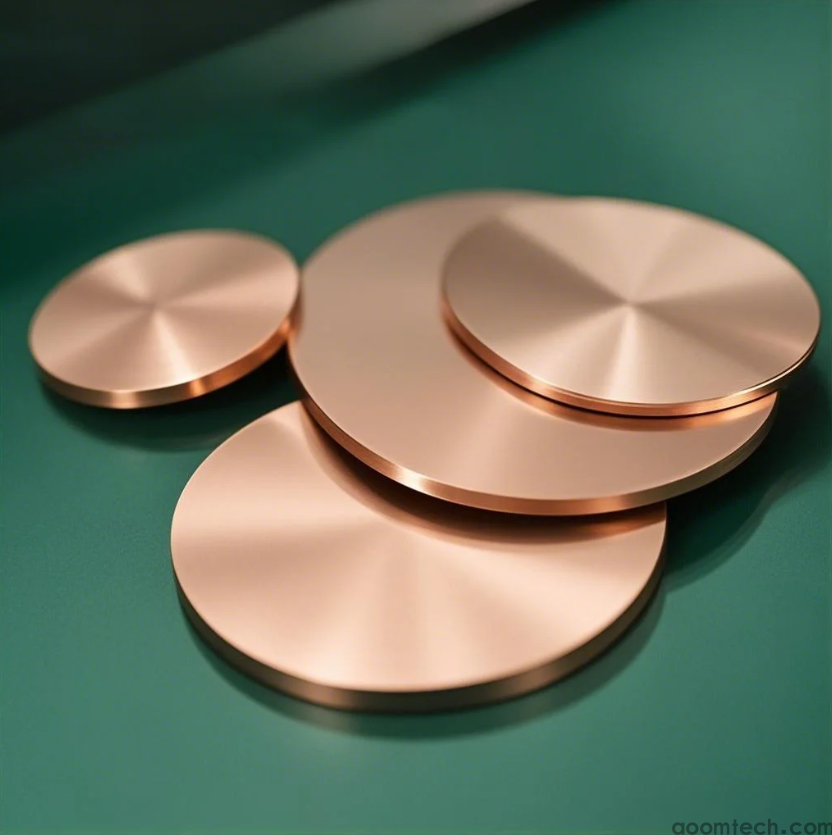
機械が切断する前から始まる:精度の基礎
多くの人は、高級なCNCマシンを床に叩きつけることが高精度に等しいと考えています。それは、悪い燃料とぐらつくホイールでレースカーが勝つことを期待するようなものです。±0.0 1 mmの本当の魔法は、セットアップで起こります。
最初に、熱安定性は静かな殺人者です。 工作機械は熱を発生させ、材料は暖かくなると膨張します。トップ工場は環境全体を制御します-考えてみてください constant room temperature (often 20°C ±1°C) and even pre-cooling materials before machining. It's a boring detail, but it's the bedrock. Without it, your dimensions drift before lunchtime.
それから、機械自体があります。 私達はちょうどCNCについて話していません。このレベルのために、機械をとの必要とします linear scales (glass scales). Most CNCs use the motor's rotation to guess position (closed-loop). Linear scales act like a super-accurate ruler directly on the axis, giving real-time feedback and correcting errors instantly. It's the difference between guessing a distance and measuring it with a laser. This, combined with ultra-rigid machine structures that dampen vibration, is non-negotiable.

ツーリング&セットアップ:理論と金属の出会い
さて、部屋は寒く、機械は素晴らしいです。さて、ここが工場の場所です process discipline shines—or fails.
ツールのプリセットが重要です。 ツールは別の装置でオフラインでミクロンレベルの精度で測定されます before they go into the machine. This data is fed into the CNC, so it knows the exact length and diameter of every tool. No more manual, error-prone touching off on the part.
ワークホールディングは後回しにできない。 万力で曲げていると、正確な部品をフライス加工することはできません。 kinematic mounts, custom fixtures, and vacuum chucks are often used to hold the part absolutely still and stress-free. Think of it as creating a perfect, repeatable nest for your raw material.
そして、最初の部分の証明があります。 真面目なお店が最初の部分を実行してから停止し、測定します not with calipers, but with a CMM (Coordinate Measuring Machine) or high-end micrometers. Every critical dimension is checked against the 3D model. Only after this part passes inspection does the batch run proceed. This step, while time-consuming, is the ultimate gatekeeper.
人間の要素と継続的な検証
ここにひねりがあります:このすべての自動化にもかかわらず、人々は重要です。とても。プログラマーは理解する必要があります cutting strategies that minimize stress and heat. Should they use trochoidal milling for that deep pocket? What about the step-over? The wrong path can push the material around, ruining accuracy.
In-過程測定は別の層である。 一部の店舗では probes on the CNC spindle to check critical features during the machining cycle. If a dimension is trending out of spec, the machine can adjust itself. It's a feedback loop that catches drift early.
しかし、ここに私の個人的な見解があります: ±0.0 1 mmへの執着は時にあります。。。 少し場違いです。誤解しないでください-特定のフィット、光学、または医療インプラントにとって、それは重要です。しかし、多くのアセンブリでは、完全に必要ではない番号に対して莫大なプレミアムを支払うことになるかもしれません。真にプロフェッショナルな工場は、単に番号を約束するだけではありません。彼らは ask you about the part's function and might suggest where true-position or surface finish is more critical than a single tight dimension. That consultative approach often separates the best from the rest.
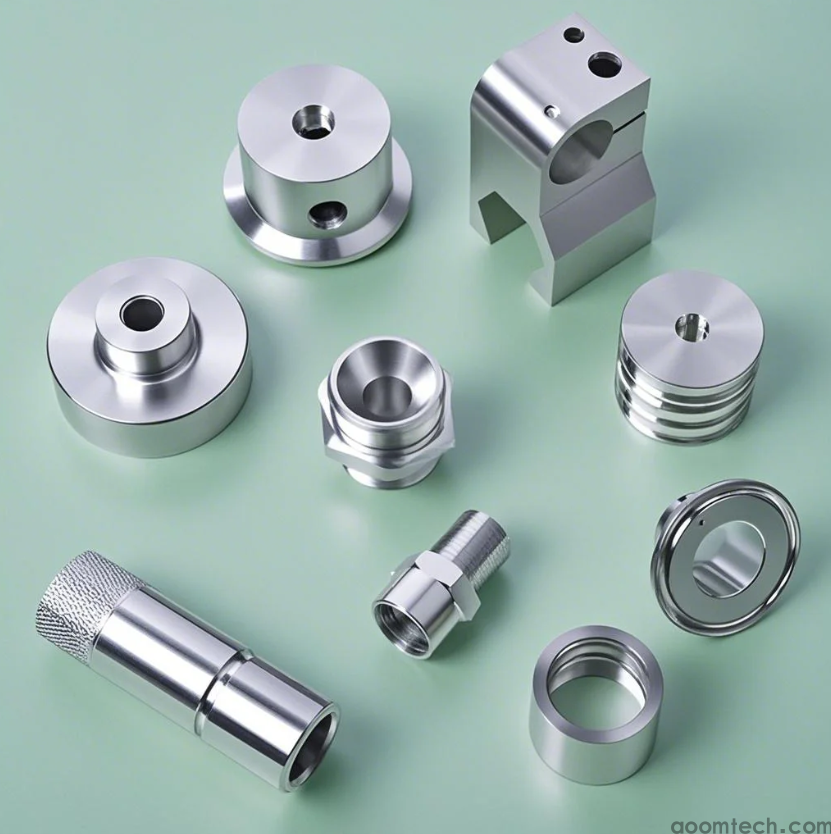
それでは、これについて工場をどのように検証しますか?
「±0.0 1 mmできますか?」と聞かないでください。 Everyone will say yes. Dig deeper with these questions:
- 「あなたの工場の床の温度制御プロトコルは何ですか?」 ❄️
- 「あなたのキーマシンにはリニアスケールがありますか?どのスケールを指定できますか?」
- 「最初の記事の検査過程を教えてください。どのような機器を使用していますか?」
- 「あなたが作った同じ公差の部品の例と、その検査報告書を見せてください。」 ?
彼らの答えはあなたにすべてを教えてくれます。この精度を生きるお店は、詳細でほとんど情熱的な答えを持っています。ブラフしているお店は漠然としています。
結局のところ、±0.0 1 mmを保証することは一つのトリックではありません。 退屈で細心の注意を払い、高価な結婚生活です environment, equipment, tooling, process, and people. It's about controlling a hundred variables so the one that matters—your part's dimension—stays perfect. The factories that do this well don't just have good machines; they have a culture of measurement and control.
あなたのプロジェクトにこのレベルの詳細さとコントロールが必要なら、この言語を話すパートナーと話す時が来ました。 ? Get in touch with our technical team today to discuss your specific requirements and see how our system is built for these challenges.
 CNC加工の見積もりに影響を与える要因は何ですか?
高精度CNC加工工場はどのように0.01 mmの精度を保証しますか?
非標準のCNC加工カスタマイズの価格はどのように計算されますか?
CNC加工コストの計算方法
CNC加工の見積もりに影響を与える要因は何ですか?
高精度CNC加工工場はどのように0.01 mmの精度を保証しますか?
非標準のCNC加工カスタマイズの価格はどのように計算されますか?
CNC加工コストの計算方法