


CNC加工用ドライブシャフトに最適な材料:実用ガイド
こんにちは、仲間のエンジニアと調達のプロ!?会議で立ち往生したことがありますか? best material for a CNC machined drive shaft? You know the drill – one team argues for strength, another for cost, and you're left wondering if there's a perfect answer. The truth is, picking the wrong material can lead to premature failure, costly downtime, and a whole lot of headaches. So, let's cut through the noise and figure this out together. What exactly should you be looking for?
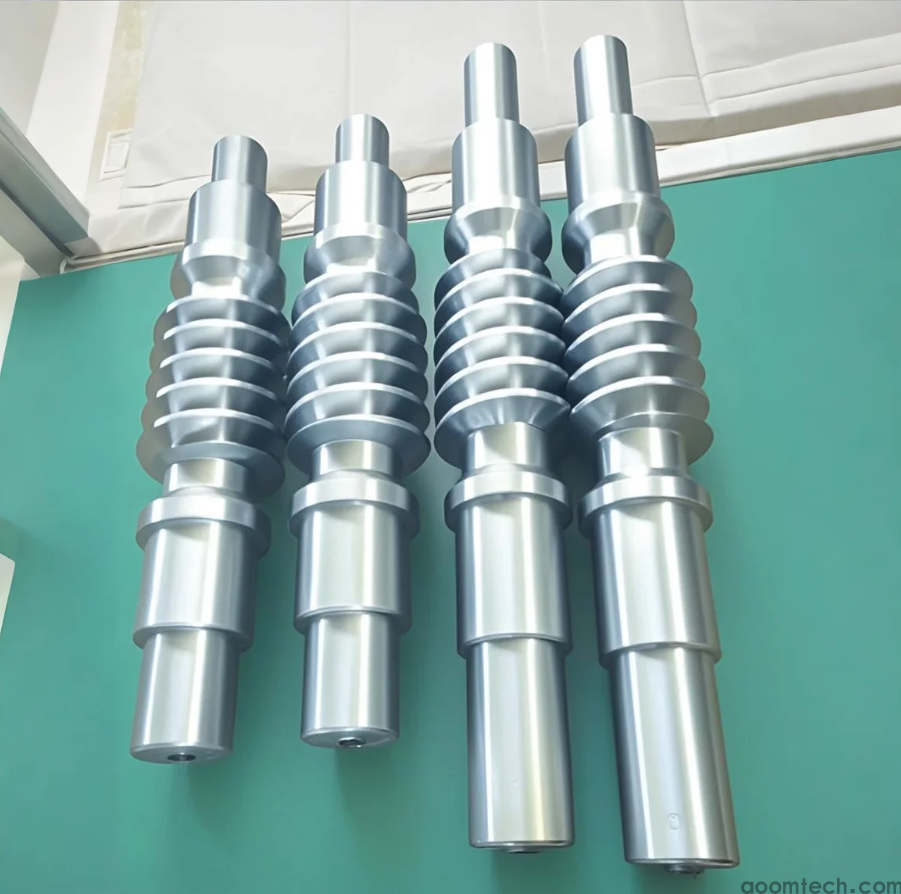
ドライブシャフトの素材についての大きな問題は何ですか?
ドライブシャフトをパワートランスミッションシステムのバックボーンと考えてください。それは頑丈である必要がありますが、脆くはありません。耐摩耗性がありますが、しばしば軽量である必要があります。私たちが取り組んでいる核心的な問題は次のとおりです。 CNC加工传动轴用什么材料好? Or in English, what materials are best? The short answer is: it wildly depends on your application. There's no one-size-fits-all, but some materials are superstar performers for most jobs. We'll dive into those now.
トップコンテンダー:合金鋼(414や434など)
主力の合金鋼といえば、これは使われていると思います all the time.
なぜそれが素晴らしいのか:
• Super strong and tough: It handles high torque and shock loads like a champion.
• Great wear resistance: It lasts a long time, even in tough conditions.
• Cost-effective: Generally offers a good balance of performance and price.
以下に注意してください:
•それは重いので、重量が大きな懸念事項であるアプリケーション(航空宇宙など)には理想的ではありません。
• It can rust if not properly coated or treated.
私の意見? ほとんどの産業機械、重機、および自動車用途において、 alloy steel is the default starting point. It's a safe, reliable bet. The specific heat treatment process, however, can drastically change its properties, and that's an area where the exact science can get pretty complex.
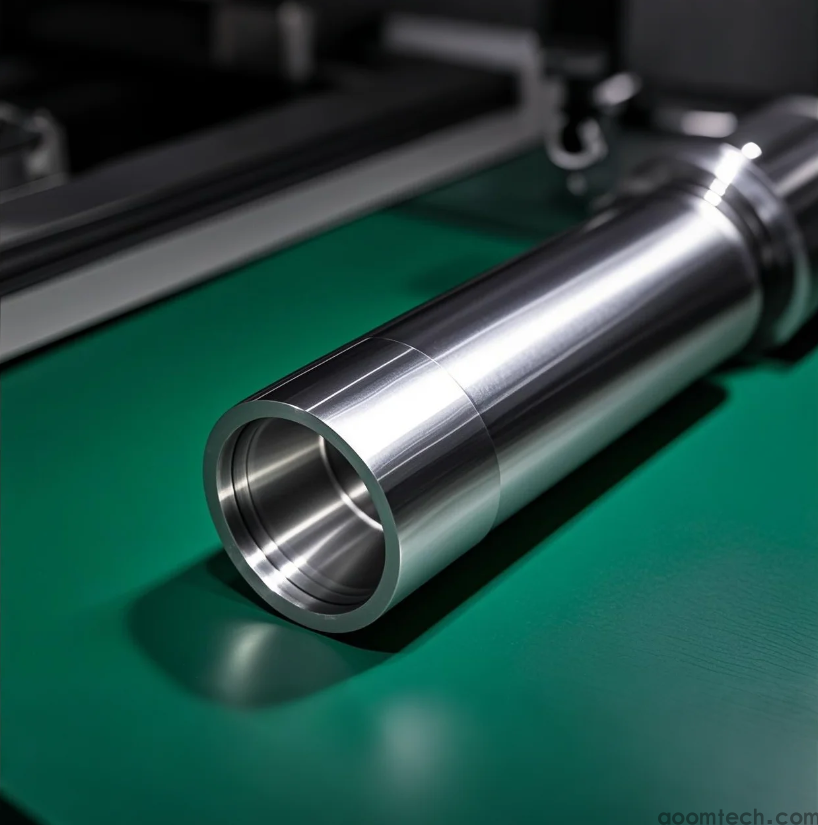
軽量チャンピオン:アルミニウム(60 6 1や70 7 5など)
機械加工に軽くて速いものが必要ですか?アルミニウムはあなたの友人です。
なぜそれが素晴らしいのか:
• Super lightweight: Crucial for drones, racing vehicles, and high-speed spindles.
• Good strength-to-weight ratio: 7075 aluminum, for instance, has strength close to some steels.
• Corrosion resistant: It forms a protective oxide layer naturally.
以下に注意してください:
スチールほど強くないため、高トルクで重い用途には適していません。
• It can fatigue over time under repeated stress.
アルミのプロトタイプは機械加工が早く、テストも簡単なのでよく使いますが、打撃を受ける必要のある最終製品については、他の場所を探す必要があるかもしれません。
腐食防止剤:ステンレス鋼(304または316のような)
濡れた環境や化学的な環境で働く?ステンレス鋼はステップアップします。
なぜそれが素晴らしいのか:
• Excellent corrosion resistance: Perfect for food processing, marine, or chemical industries.
• Good strength and hardness: It's certainly no slouch in the performance department.
以下に注意してください:
• More expensive than alloy steels.
• It can be a bit gummy and tougher on cutting tools during the CNC machining process.
ステンレスは錆びに抵抗するのに素晴らしいですが、その不動態層の背後にあるメカニズムは、私が詳細に説明するための完全な資格を持っていないものです。それはただ働く!?しかし、うまくいくものといえば、静かに素晴らしい別のオプションがあります。
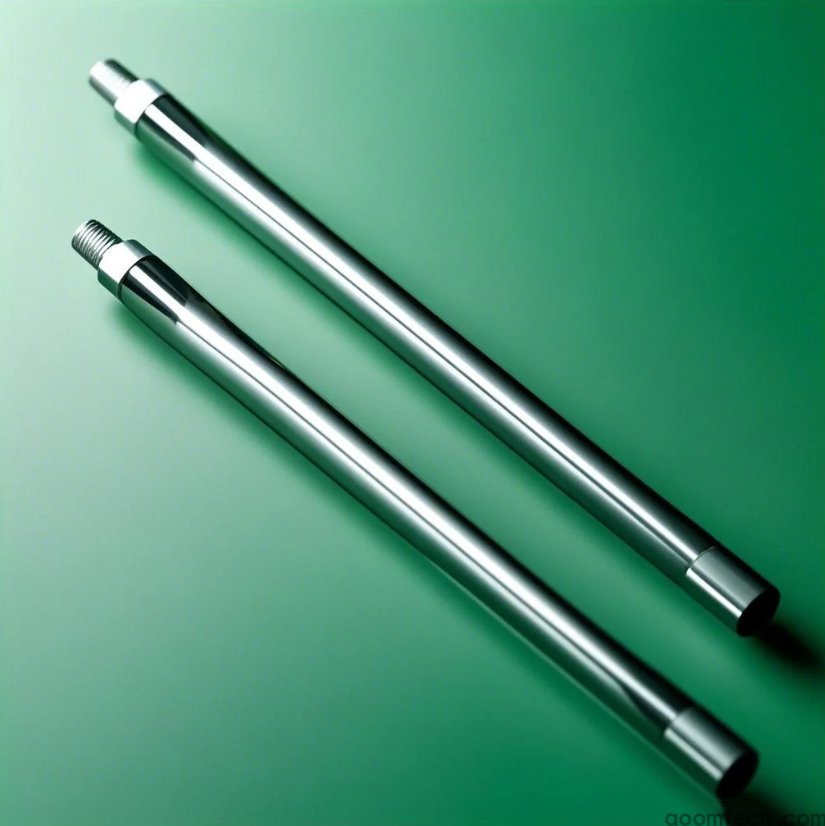
スペシャリスト:チタン(グレード5またはTi-6 Al-4 Vのような)
究極のものが必要なとき combination of strength, lightness, and corrosion resistance, titanium is the answer. But it comes at a price.
なぜそれが素晴らしいのか:
信じられないほどの強度と重量の比率。
•生体適合性と高い耐食性があります。
以下に注意してください:
• Very high cost for both material and machining.
• Challenging to machine, requiring specialized tools and expertise.
トップエンドの航空宇宙、医療インプラント、そしてハイパフォーマンスレースでこれを見つけることができます。 Perhaps it's not an overstatement to say that for the most demanding applications, titanium is unbeatable. But for the other 95% of projects, the previous options are more than enough.
では、実際にどのように選択するのか。
「最高の」素材だけを選ぶのではなく、 right one. Ask yourself these questions:
• What are the torque and load requirements? (This points you to strength needs)
• Is weight a critical factor? (This decides the strength-to-weight ratio focus)
• What environment will it operate in? (Wet, dry, chemical? This dictates corrosion resistance)
• What's the budget? (This is the reality check!)
私の経験から、よく選ばれた alloy steel often provides the best value for general engineering. However, the rise of compact, high-performance robotics is pushing more designers towards advanced aluminum alloys and even composites, though that's a topic for another day. The landscape of available materials is always shifting, and what was ideal a decade ago might be surpassed by something new tomorrow.
 CNC加工の見積もりに影響を与える要因は何ですか?
高精度CNC加工工場はどのように0.01 mmの精度を保証しますか?
非標準のCNC加工カスタマイズの価格はどのように計算されますか?
CNC加工コストの計算方法
CNC加工の見積もりに影響を与える要因は何ですか?
高精度CNC加工工場はどのように0.01 mmの精度を保証しますか?
非標準のCNC加工カスタマイズの価格はどのように計算されますか?
CNC加工コストの計算方法