


CNC加工はどのくらい正確ですか?購入者のための実用的なガイド
部品が合わなかったバッチを受け取ったことはありますか??コンポーネントが仕様から外れているためにプロジェクトが遅れているときの沈んだ感覚。調達マネージャーまたはエンジニアであれば、精密さは単なる便利なものではなく、機能的な製品の基盤であることを知っています。したがって、調達するとき CNC high-precision parts, the burning question is: just how accurate can this process really get? Let's cut through the marketing fluff and talk real numbers and practical realities.
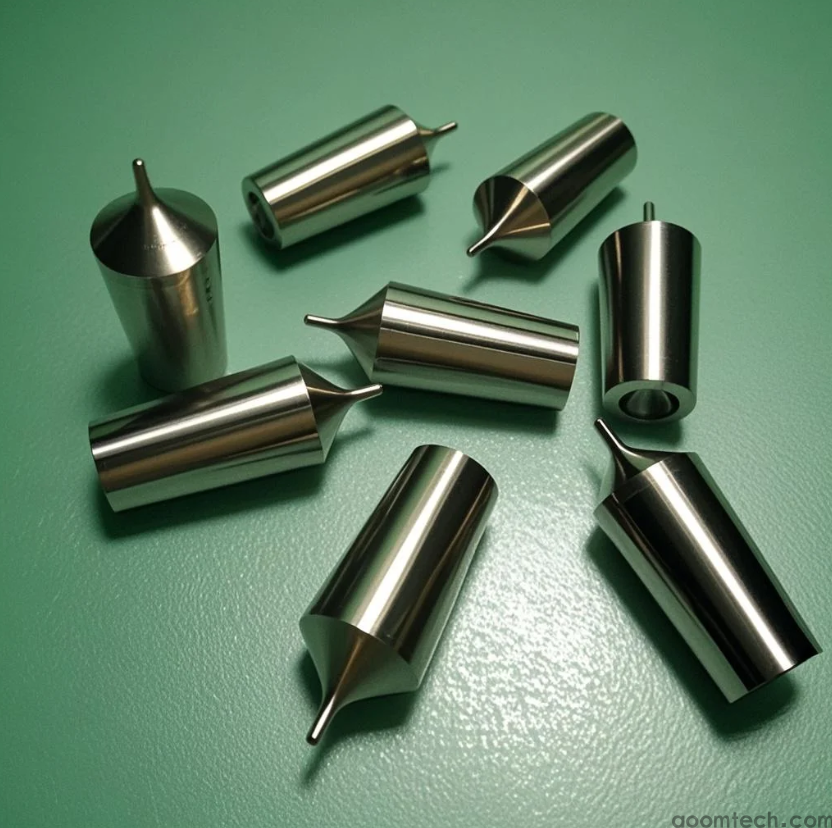
CNC加工において「精度」とは何を意味するのでしょうか?
まず第一に、用語で絡み合うのは簡単です。人々はしばしば「正確さ」と「精度」を同じもののように使いますが、重要な違いがあります。このように考えてみてください: Accuracy is about hitting the bullseye. If you aim for a dimension of 25.000 mm, an accurate machine will get you very close to that. Precision, on the other hand, is about doing it consistently. If you shoot ten arrows and they all land in the same spot—even if it's not the bullseye—that's precision. For CNC high-precision parts, we need both. We need to hit the target dimension and do it over and over, part after part.
それでは、私たちが期待できる現実世界の許容範囲は何ですか?
よし、ほとんどの標準の中心に行こう CNC machining services, a common tolerance to expect is around ±.005 inches or ±.125 millimeters. That's pretty good for a vast majority of applications. But when we talk about high-precision CNC work, things get tighter. It's not uncommon to achieve tolerances of ±.0005 inches (±.0127 mm) or even tighter under controlled conditions.
ただし、これが魔法の数字ではないことを知っておくことは非常に重要です。実際に達成可能な許容差は、多くの要因に大きく依存します。材料の種類、部品の体格、加工される特定の特徴、そしてワークショップ内の温度さえも役割を果たすことがあります。したがって、これらの超狭い数値は可能ですが、特定の部品のジオメトリには不可能かもしれません。
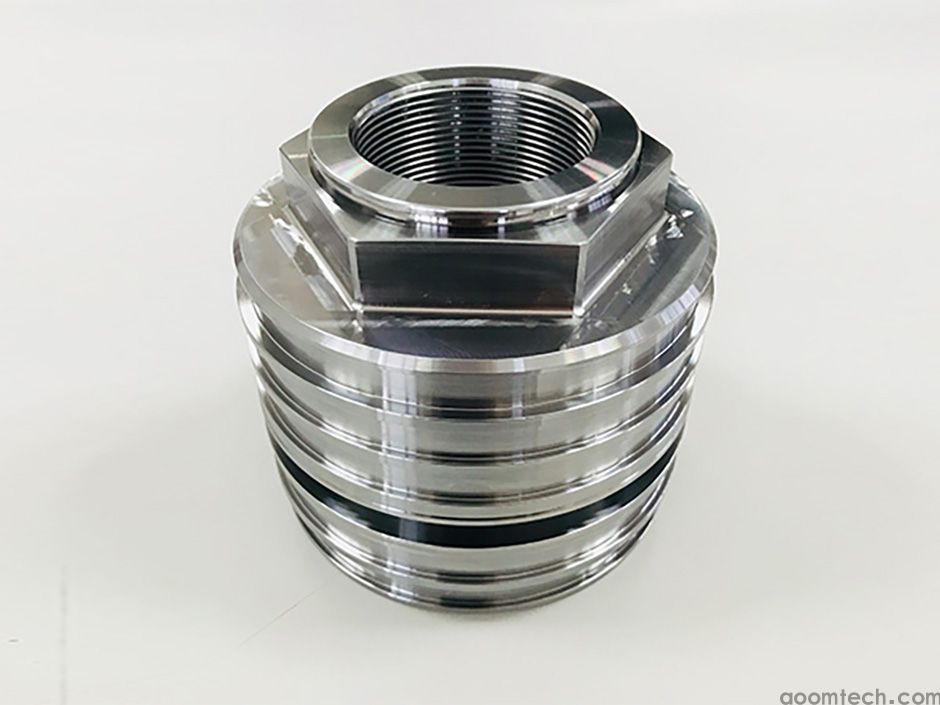
あなたのCNC精度に影響を与える要因は何ですか?
部品を注文して最高のものを期待することはできません。精度に影響を与えるものを知ることは、サプライヤーとよりスマートな会話をするのに役立ちます。ここに大きなものがあります:
- ?️ The Machine Itself: An older, worn-out machine will naturally have more play and vibration than a well-maintained, modern one.
- ?️ Thermal Expansion: This is a huge one that's often overlooked. Metal expands when it gets hot. The heat from the cutting process itself can cause the part to grow, throwing dimensions off. Good shops have climate control and even use coolant to manage this.
- ? Tooling and Fixturing: A dull cutting tool or a part that isn't clamped down securely will definitely hurt your precision. It seems basic, but it's where many errors start.
しかし、これは大きな問題ですが、各要因が特定の材料にどの程度貢献するかの具体的なメカニズムは、専門家でさえ議論する複雑なパズルになることがあります。工具経路、スピンドル速度、および材料硬度の正確な相互作用は、時には科学よりも芸術のように感じられます。
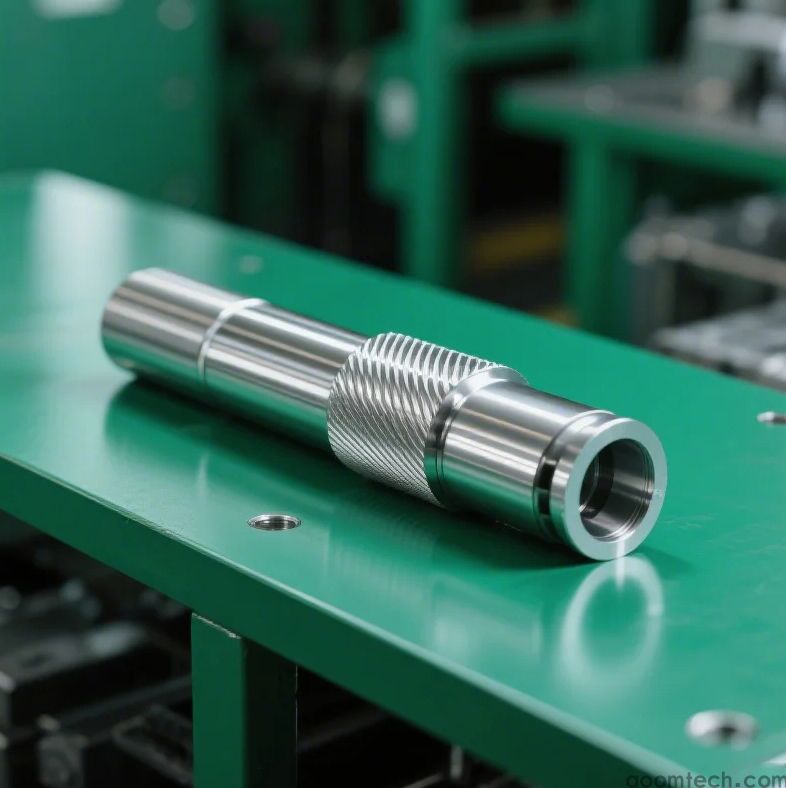
バイヤーとして、正確な部品を取得するにはどうすればよいですか?
これは本当に重要な部分ですよね?数字を知ることだけではありません。受信ドックで良いパーツを手に入れることです。あなたができることは次のとおりです:
- ? Communicate Clearly (and Early!): Don't just put a tolerance on every single dimension on your drawing. That drives cost up. Identify the critical features that must be ultra-precise and call those out specifically. For non-critical areas, let them use a standard tolerance.
- ? Choose the Right Partner: Look for a machine shop that talks to you about these factors. If they ask about the part's function and discuss potential challenges, that's a great sign. If they just say "yes, we can do anything," be cautious.
- ? Ask About Their Process: Inquire about their quality control. Do they use first-article inspection? Do they have CMMs (Coordinate Measuring Machines) to verify complex parts? Their answers will tell you a lot.
私自身の経験から、最も透明なお店は challenges of holding a tight tolerance are often the ones most capable of delivering on it. They're the ones thinking about the problem, not just running the machine.
いつもよりきつい方が良いのか?最終的な考え
可能な限り厳しい公差を指定することは誘惑されますが、より良い部分を保証すると考えています。しかし、ここに内部情報があります: unnecessarily tight tolerances can be a trap. They skyrocket your costs, increase production time, and can even lead to more scrap if the process isn't perfectly stable. The real goal is to define the widest acceptable tolerance that still allows your product to function flawlessly. This balance is the key to cost-effective and reliable high-precision part sourcing. Achieving that perfect balance between cost and performance, now that's the real art of manufacturing.
 CNC加工の見積もりに影響を与える要因は何ですか?
高精度CNC加工工場はどのように0.01 mmの精度を保証しますか?
非標準のCNC加工カスタマイズの価格はどのように計算されますか?
CNC加工コストの計算方法
CNC加工の見積もりに影響を与える要因は何ですか?
高精度CNC加工工場はどのように0.01 mmの精度を保証しますか?
非標準のCNC加工カスタマイズの価格はどのように計算されますか?
CNC加工コストの計算方法