


大規模CNC加工のための主な考慮事項:実用ガイド
こんにちは、仲間のエンジニアや調達スペシャリストの皆さん!?大規模なCNC加工プロジェクトの調達や監督を任されたことがあり、潜在的な落とし穴に汗をかいたことがありますか?あなたは一人ではありません。巨大なワークピースを扱うことは、標準的な加工の拡大版だけではありません。小さな見落としが巨大なコストや遅延につながる可能性がある、まったく別の問題です。大きなプロジェクトがスムーズに進行するために注意すべき重要なことを分解してみましょう。
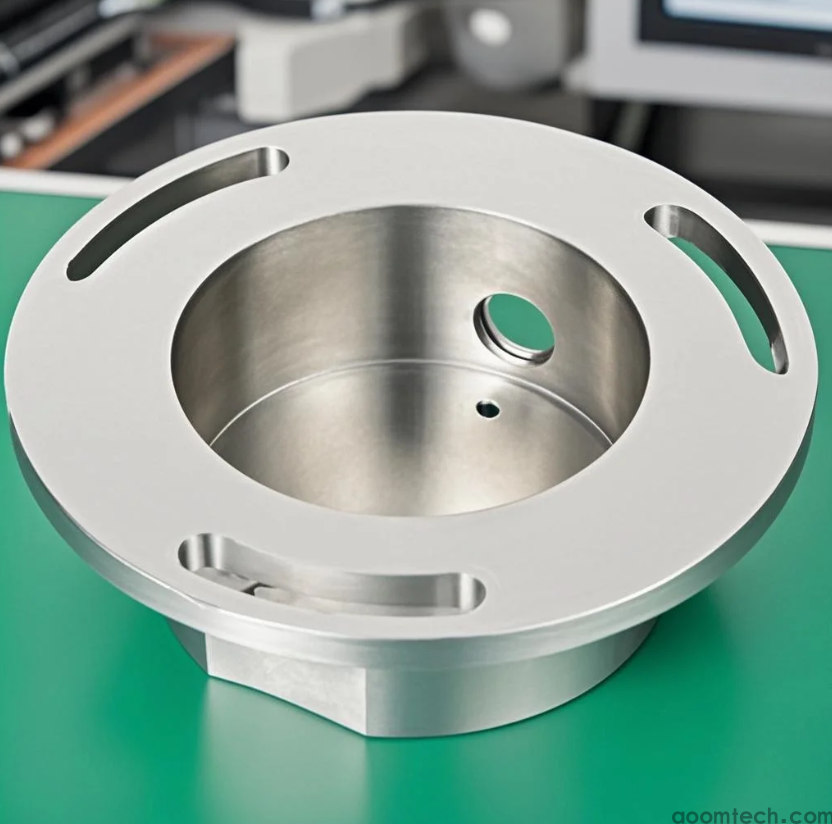
?️ 大きな挑戦:なぜサイズが本当に重要なのか
まず、部屋の中の象について話しましょう:部品の圧倒的な体格と重さです。これは平均的なデスクサイズの部品ではありません。私たちは、クレーンを機械ベッドに積み込むだけで済む部品について話しています。この基本的な違いは、その後のすべてに影響を与えます。工作機械自体は十分に巨大で、表面仕上げと精度を損なう振動を防止するための堅牢な構造が必要です。大きなエンベロープを持つ機械を見つけるだけでなく、仕事を処理するためのバックボーンを持つ機械を見つけることが重要です。
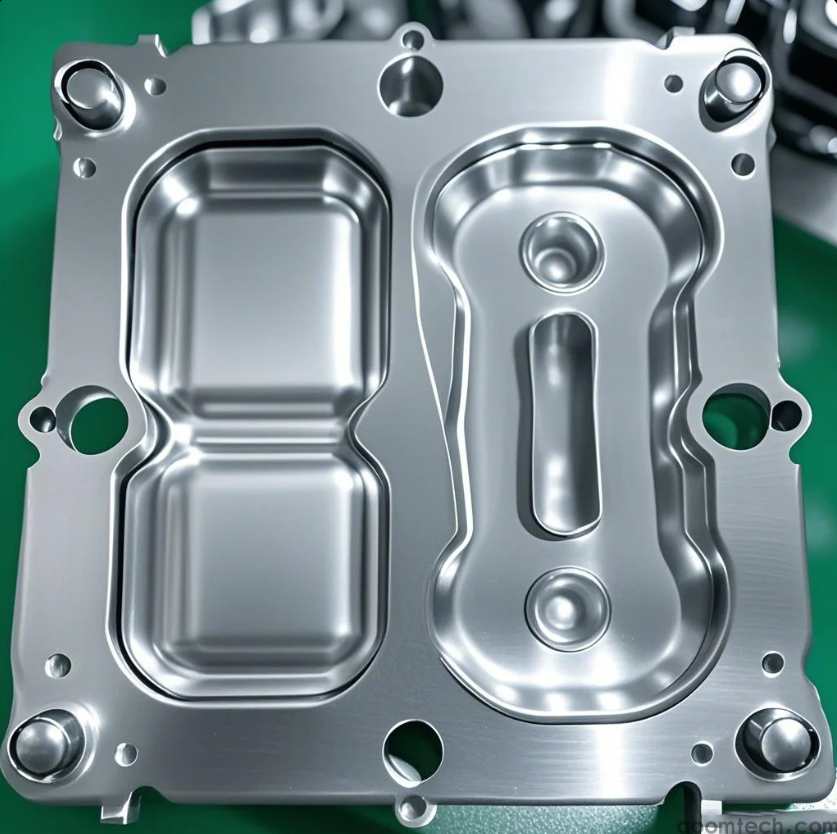
? 機械の選択:それは単なる大きな箱以上のものです
だから、どのように右のマシンを選択しますか?それはちょうどあなたが見つけることができる最大のものを探すために誘惑されていますが、それは十分ではありません。あなたはより深く掘り下げる必要があります。
ここに私がいつもチェックするいくつかのことがあります:
• Rigidity and Power: The machine's frame must be super stiff. Any flexing under the weight of the part or the force of the cutting tool will directly translate into inaccuracies. A powerful spindle is also non-negotiable for effective material removal on a large scale.
• Table Load Capacity: Don't just look at the travel dimensions. Check how much weight the table can actually support. Exceeding this limit is a recipe for disaster.
• Thermal Stability: Large machines running for long periods generate a lot of heat. The machine's design should manage this heat to prevent expansion that throws off precision over time. The specific mechanisms some manufacturers use to achieve this can be pretty clever, though I must admit, the exact engineering behind the best systems is an area I'm still learning about.
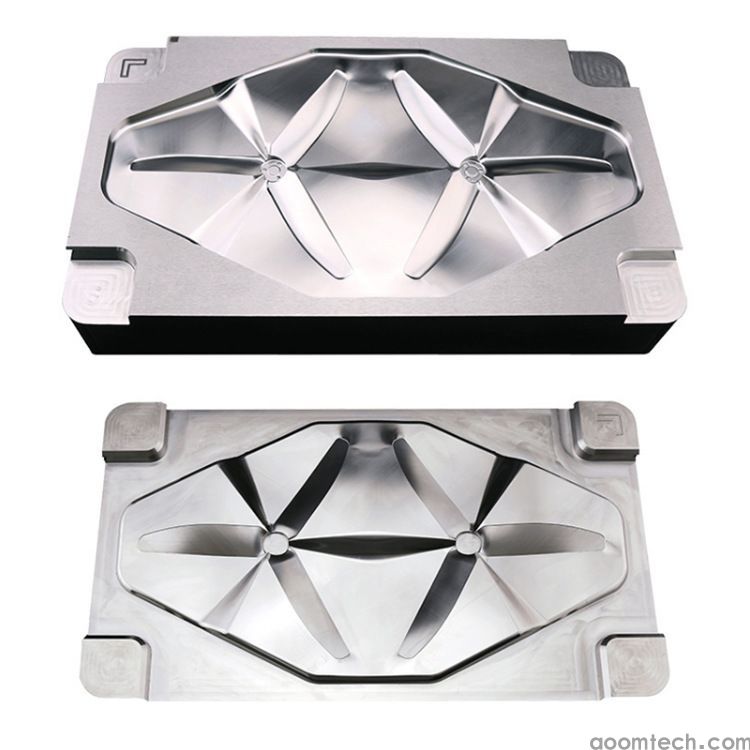
✈️ 精度と測定:それを正確かつ正確に保つ
さて、あなたは機械の中に部品を持っています。さて、このような広い領域でどのように正確に保つのでしょうか?ここではトリッキーになります。
• Achieving Uniform Accuracy: It's one thing for a machine to be precise in one corner. It's another to hold tight tolerances across a two-meter span. This involves the machine's geometric accuracy. You might find that a tolerance of ±.05mm is consistently achievable on a well-maintained large-format machine, but claiming this proves it's the best possible standard would be misleading. It perhaps suggests a well-tuned process, but many other factors are at play.
• In-Process Measurement: For critical dimensions, you can't just machine the part, unload it, and then check it. The part might distort once released. On-site measurement with portable tools is often necessary to make adjustments while the part is still secured.
? フィクスチャリング&セットアップ:成功か失敗かのステージ
これは、私の経験では、最も一般的な障害点の1つです。小さな部品の薄っぺらな設定は、廃棄された部品を引き起こす可能性があります。大きな部品の不十分な設定は、壊滅的なクラッシュを引き起こす可能性があります。
セットアップのための私のゴールデンルール:
• Secure Clamping: Use enough clamps, and ensure they are positioned to counteract cutting forces without distorting the part. Sometimes, strategic support is even more critical than clamping force itself.
• Avoiding Distortion: Applying too much clamping force can bend a large, thin-walled part. The goal is to hold it firmly, not to twist it into shape. This requires a delicate touch and an understanding of the material's behavior.
• Proper Alignment: Before any cutting begins, you must ensure the part is square and level to the machine's axes. This initial alignment step is boring but absolutely vital. However, it's worth mentioning that even with perfect alignment, material stress relief during machining can sometimes cause movement, which is a nightmare to predict perfectly.
? ヒューマンファクター&プランニング
機械と部品を超えて、チームがあります。大きな部品を加工することはしばしば遅い過程であり、時には数十時間かかることがあります。オペレーターのスキルと警戒心は極めて重要です。優れた機械工はプログラムを開始して立ち去るだけではありません。彼らは音、チップ、および条件を監視し、必要に応じて微調整を行います。さらに、大きな部品の工具戦略は異なります。工具寿命の計画が必要です。30時間の加工サイクルの途中で摩耗した工具を交換することは、反応するのではなく、予測すべき複雑で時間のかかるタスクです。
私自身の観察によると、予期せぬツールやセットアップのレビューのためのバッファを含むプロジェクトは、しばしばより信頼性の高いものになります。それは、スムーズな運用と慌ただしい運用を分ける余分な計画です。
 CNC加工の見積もりに影響を与える要因は何ですか?
高精度CNC加工工場はどのように0.01 mmの精度を保証しますか?
非標準のCNC加工カスタマイズの価格はどのように計算されますか?
CNC加工コストの計算方法
CNC加工の見積もりに影響を与える要因は何ですか?
高精度CNC加工工場はどのように0.01 mmの精度を保証しますか?
非標準のCNC加工カスタマイズの価格はどのように計算されますか?
CNC加工コストの計算方法