


CNCバー加工でどのような公差を達成できますか?実用ガイド
こんにちは、仲間のエンジニアと調達のプロ!?あなたのCNCバー加工サプライヤーができるかどうか疑問に思って、技術図面を見つめていることに気づいたことはありませんか? actually hit those tiny tolerance numbers? You're not alone. I've been in those meetings where everyone nods, but deep down, there's that nagging question: "What's realistically achievable?" Let's cut through the marketing fluff and talk real numbers. ?
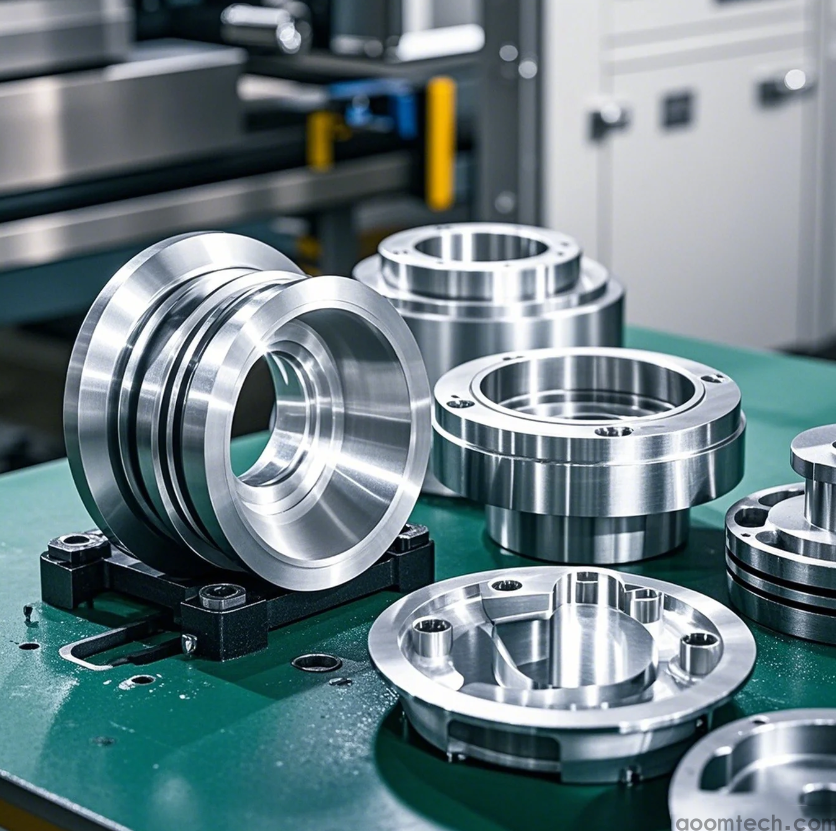
したがって、CNCバーの加工精度とは何ですか?
まず最初に、大きな質問に答えましょう。ほとんどの標準的なCNCバー加工の仕事では、一般的に公差を保持することが期待できます。 ±.025 mm to ±.05 mm (±.001" to ±.002"). That's about the thickness of a human hair! But—and this is a big but—this isn't a guarantee for every single part. It depends on a whole bunch of factors that we'll dig into next. I've seen shops consistently hit these numbers on aluminum and brass, but when it comes to some tricky plastics or super-alloys, the story can change.
あなたの加工精度に実際に影響を与える要因は何ですか?
機械についてだけではありません。以下は、あなたの許容目標を達成または破壊する可能性がある通常の容疑者です:
✅ The Material Itself: Some materials are just easier to work with. Aluminum is pretty forgiving and stable, making it a dream for tight tolerances. But something like stainless steel? It can be a bit of a diva, moving around with heat and stress. The exact way different alloys behave under the cutting tool is something I'm still wrapping my head around.
✅ Machine Condition and Age: A brand-new, high-end Swiss-type lathe is a precision beast. An older, worn-out machine might struggle. It's that simple.
✅ The Length of the Part: This is a big one that often gets overlooked. Trying to hold a tight tolerance on a long, skinny bar? That's much harder than on a short, stubby part. Vibration and deflection become your enemies.
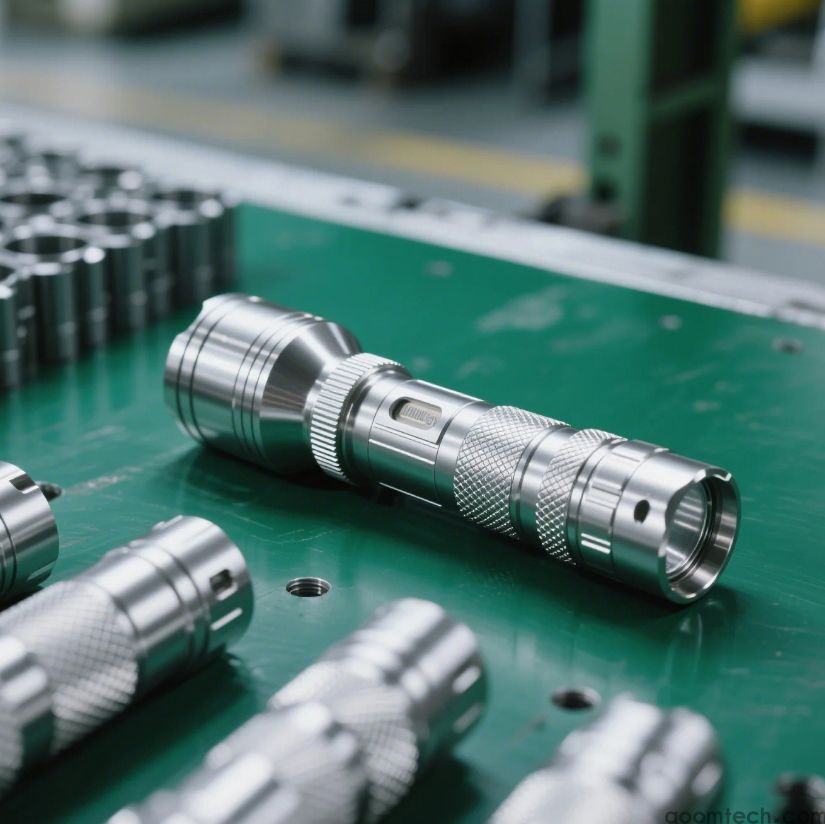
あなたのサプライヤーがより厳しい許容範囲を達成するのをどのように手助けできますか?
信じられないかもしれませんが、あなたにも役割があります!プロジェクトを成功に導く方法は次のとおりです:
? Be Smart with Your Tolerances: Don't just call out super tight tolerances everywhere on the drawing. I always ask my team, "Does this surface really need to be that precise?" Only apply tight tolerances to critical features. This saves cost and headache.
? Talk to Your Machinist Early: Get their input during the design phase. They might suggest a small change that makes the part much easier and cheaper to machine accurately.
? Choose the Right Material: If high precision is your goal, maybe an aluminum grade is a better bet than that specific stainless steel you had in mind. Discuss the options.
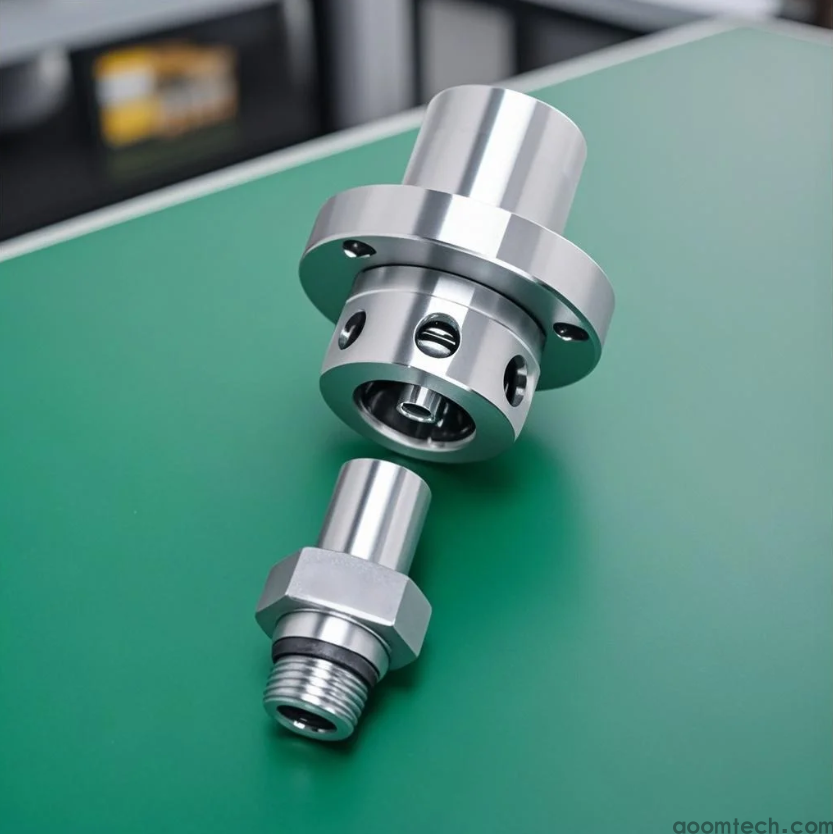
「より正確」は常に正しい答えですか?
これが私が何百ものプロジェクトを見て得た2つの意見です。可能な限り絶対的に厳しい公差を追求することは、しばしば罠です。?コストは直線的に増加するわけではありません。ホッケースティックのように上昇します。最後の0.0 1 mmの精度は、部品コストを倍増させる可能性があります。あなたは尋ねなければなりません: What does the function of the part actually require? Sometimes, "good enough" is not just good enough—it's the smartest business decision. Perfection can be the enemy of profitability.
そうは言っても、航空宇宙や医療機器の重要なコンポーネントにとって、その極端な精度は譲れません。しかし、多くの一般的なアプリケーションにとっては、おそらくそれはやりすぎです。本当のスキルは、違いを知ることです。
私の経験から言うと、最高の結果はパートナーシップから得られます。最低価格と最高精度を求めるだけではありません。明確なコミュニケーション、現実的な期待、そしてトレードオフを理解することが重要です。予算とパフォーマンスのニーズについて率直に話すことが、よりスムーズな過程とより良い最終製品につながることがわかりました。?次のプロジェクトで考えるべきことです。
 CNC加工の見積もりに影響を与える要因は何ですか?
高精度CNC加工工場はどのように0.01 mmの精度を保証しますか?
非標準のCNC加工カスタマイズの価格はどのように計算されますか?
CNC加工コストの計算方法
CNC加工の見積もりに影響を与える要因は何ですか?
高精度CNC加工工場はどのように0.01 mmの精度を保証しますか?
非標準のCNC加工カスタマイズの価格はどのように計算されますか?
CNC加工コストの計算方法