


열처리 및 CNC 가공순서, CNC 가공변형 후 열처리 방법
열 처리 및 CNC 가공 후 꼼꼼하게 설계된 정밀 부품이 뒤틀리거나 균열이 발생하는 답답한 시나리오에 직면한 적이 있습니까? ? 당신은 혼자가 아닙니다. 이 일반적인 문제는 많은 엔지니어와 조달 관리자를 괴롭히고 완벽한 청사진을 폐기된 구성 요소로 만듭니다. 이 얽힌 과제를 해결하는 데 뛰어들어 보겠습니다.
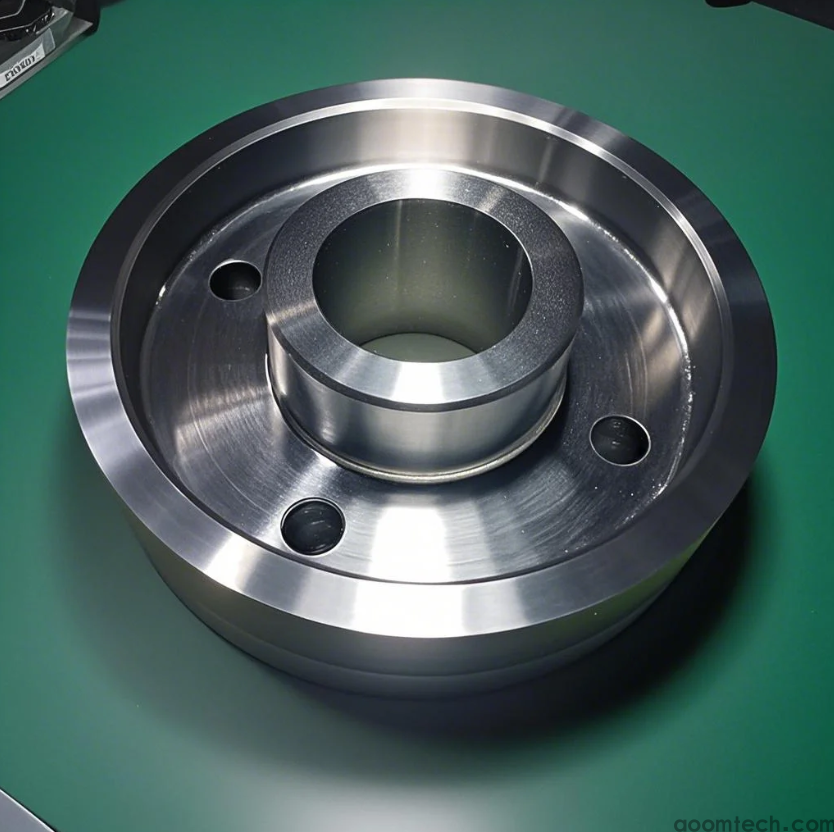
이 제목의 핵심 문제는 무엇입니까?
기본적으로, 모든 사람들이 알고 싶어합니다. 열처리와 CNC 가공은 어떤 순서로 해야 할까요? 그리고 변형이 잘못되었을 때 어떻게 해야 할까요? 마치 스테이크를 먼저 익힌 다음 썰어야 할까요, 아니면 반대로 해야 할까요? 순서가 중요하고 실수를 고치는 것도 중요합니다.
열처리 및 CNC 가공 후 변형이 발생하는 이유는 무엇입니까?
금속을 가열할 때 - 퀼팅이나 템퍼링과 같이 - 기본적으로 내부적으로 스트레스를 받는 것입니다. ? 그런 다음 CNC 기계가 절단을 하면 이 스트레스를 방출하여 뒤틀림을 일으킬 수 있습니다. 스트레스를 받은 사람이 마침내 찰싹 때리는 것처럼 생각하십시오. 우리는 부품의 균형을 바꾸는 재료를 제거하고 있습니다. Residual stress is the main culprit here, but the exact way it triggers deformation in every material might need more looking into.
열처리 및 CNC 가공: 어느 것이 먼저인가요?
이것은 제조에서 고전적인 닭고기와 달걀 문제입니다. 일반적으로 거친 가공이 먼저고 열처리가 먼저고 CNC 가공이 마무리됩니다. 왜?
• Rough Machining First: Removes bulk material, getting the part close to shape.
• Then Heat Treatment: Enhances hardness or toughness, but might cause slight distortion.
• Finish Machining Last: Cleans up any deformation from heat treatment, ensuring precise dimensions.
But, honestly, sometimes the sequence can flip depending on the material. I've seen cases where heat treatment first works better for some alloys, but that's a whole other debate.
가공 변형을 줄이는 실용적인 방법
그래서, 당신의 부분이 뒤틀렸습니다. 이제 뭐? 당황하지 마세요! 제가 자주 사용하는 몇 가지 수정 사항은 다음과 같습니다.
• Stress Relief Annealing: Heat the part to a lower temperature to relax those internal stresses before final cuts. It's like giving the metal a spa day. ?
• Adjust CNC Parameters: Slow down the cutting speed or use lighter passes. Less aggression means less shock to the stressed material.
• Use Fixtures: Clamp the part securely during machining to resist warping forces.
Although these methods help, the full picture of how every material reacts is still a bit fuzzy in some areas, so trial and error is key.
올바른 열처리 프로세스 선택
모든 열처리가 동일한 것은 아닙니다. CNC 가공 부품의 경우 다음을 선택할 수 있습니다.
• Quenching and Tempering: For high strength and toughness.
• Annealing: To soften the material for easier machining.
• Case Hardening: For a hard surface and tough core.
Match the process to your part's job—like picking the right tool for the job. ? But remember, each choice affects how the CNC machine should handle it later.
일반적인 함정과 이를 피하는 방법
많은 사람들이 이 과정을 서두르며 비용이 많이 드는 오류로 이어집니다. 주의:
• Skipping rough machining and going straight to finish cuts after heat treatment.
• Ignoring material-specific guidelines—what works for steel might not for aluminum.
• Overlooking post-machining checks for micro-cracks.
On the flip side, taking it slow and testing samples can save headaches. I always say, measure twice, cut once! ?
제가 보기에, 열처리와 CNC 가공을 멋지게 하는 것은 부분 예술, 부분 과학입니다. 우리는 일반적인 규칙을 가지고 있지만, 각각의 프로젝트는 새로운 것을 가르칩니다. 바라건대, 이것은 여러분이 그 변형 블루스와 시퀀스 딜레마를 다루기 위한 확실한 출발을 제공하기를 바랍니다!
 CNC 가공에서 연성 소재가 뒤틀리는 것을 방지하는 방법: 실용적인 가이드
신뢰할 수 있는 CNC 머시닝 서비스를 선택하는 방법: 구매자를 위한 실용적인 가이드
신뢰할 수 있는 완전 자동 CNC 가공 공급업체를 선택하는 방법: 실용적인 가이드
고정밀 블리스터 알루미늄 몰드 CNC 가공을 위한 신뢰할 수 있는 파트너를 찾는 방법
CNC 가공에서 연성 소재가 뒤틀리는 것을 방지하는 방법: 실용적인 가이드
신뢰할 수 있는 CNC 머시닝 서비스를 선택하는 방법: 구매자를 위한 실용적인 가이드
신뢰할 수 있는 완전 자동 CNC 가공 공급업체를 선택하는 방법: 실용적인 가이드
고정밀 블리스터 알루미늄 몰드 CNC 가공을 위한 신뢰할 수 있는 파트너를 찾는 방법