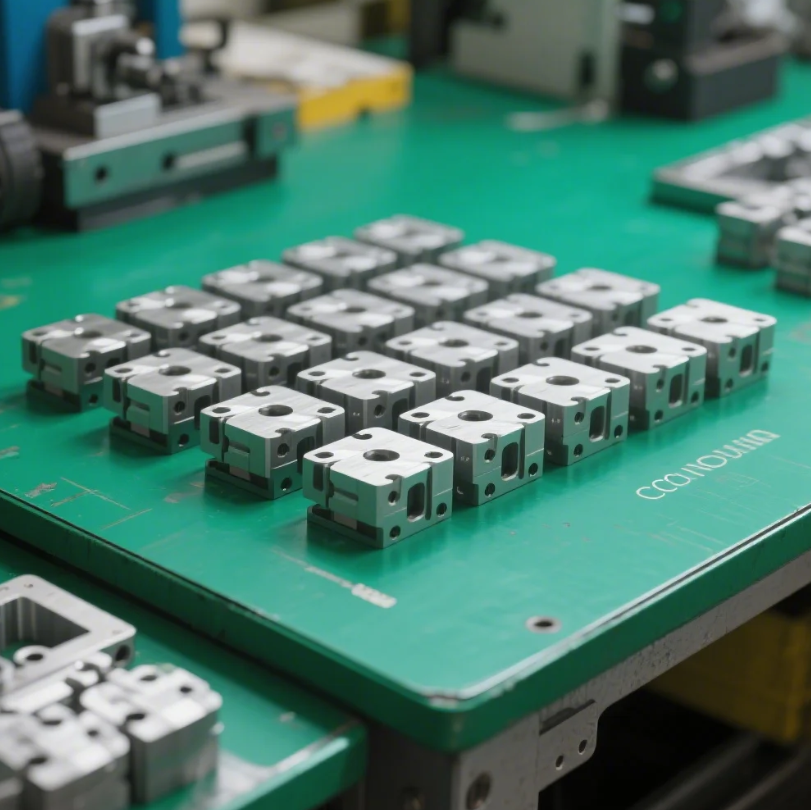
Manufacturer of CNC Precision Parts Machining
Introduction to Manufacturer of CNC Precision Parts Machining
A Manufacturer of CNC Precision Parts Machining plays an important role in modern industry. These manufacturers use computer-controlled machines (CNC - Computer Numerical Control) to produce highly accurate parts used in many fields. Their work ensures that machines and products function safely, efficiently, and reliably.
In today’s manufacturing world, industries such as aerospace, automotive, medical, and electronics depend heavily on precision components. Without these parts, many advanced systems would not work properly. This is why CNC precision machining manufacturers are essential partners in global supply chains.
The significance of CNC precision parts machining manufacturers lies in their ability to turn complex designs into real, functional components with very tight tolerances and consistent quality.
Significance of CNC Precision Parts Machining Manufacturers
Meeting High-precision Industry Demands
Industries like aerospace and medical require extremely accurate components. A small error in measurement can lead to serious safety or performance issues. A Manufacturer of CNC Precision Parts Machining uses advanced equipment to achieve very tight tolerances.
For example, turbine blades used in aircraft engines must be produced with extreme accuracy. Even a minor deviation can affect engine performance or safety. CNC manufacturers ensure these parts meet strict industry standards through controlled machining processes and precise quality checks.
Enabling Complex Design Production
Modern products often have complex shapes and detailed internal structures. Traditional machining methods cannot always produce these designs. CNC technology allows manufacturers to create highly complex parts with precision.
For instance, in the electronics industry, custom circuit board housings may include internal channels, thin walls, and precise openings. A CNC precision parts machining manufacturer can produce these designs accurately, ensuring proper fit and function in final products.
Operations of a CNC Precision Parts Machining Manufacturer
Order and Design Handling
The process begins when the manufacturer receives customer drawings or CAD files. Engineers review the design carefully to ensure it can be manufactured correctly. If needed, they suggest improvements to reduce cost and improve performance.
For example, a customer may submit a part design that is difficult to machine. The manufacturer may adjust wall thickness or internal geometry to make production more efficient while maintaining function.
Material Procurement and Inspection
Materials such as aluminum, steel, titanium, or stainless steel are selected based on part requirements. Each material has unique properties that affect machining performance and final product strength.
Before production, all materials are inspected for quality. For example, titanium is strong but difficult to cut, requiring special tools and machining strategies to maintain precision.
CNC Programming and Machine Setup
Engineers create CNC programs that control machine movements, cutting speed, and tool paths. These programs ensure every cut is accurate according to design specifications.
Machines are then set up with proper tools and fixtures. Careful setup is essential to avoid errors during production and ensure repeatable accuracy.
Machining Processes
Milling
Milling is used to create flat surfaces, grooves, and complex 3D shapes. Cutting tools remove material layer by layer. Coolants are often used to reduce heat and improve precision.
Turning
Turning is used for cylindrical parts. The material rotates while cutting tools shape it. Adjusting speed and feed rate is important for achieving smooth surfaces and correct dimensions.
Drilling and Grinding
Drilling creates precise holes, while grinding is used for final finishing. Grinding ensures extremely smooth surfaces and very tight dimensional accuracy.
Quality Control and Inspection
Quality control is a key part of the manufacturing process. Tools such as Coordinate Measuring Machines (CMM), optical comparators, and surface testers are used to verify accuracy.
For example, if a CMM detects a small deviation in a part, engineers adjust the machining process to correct the issue. This ensures all final parts meet required standards.
Benefits of Choosing a CNC Precision Parts Machining Manufacturer
High Precision and Consistent Quality
One of the main advantages of working with a Manufacturer of CNC Precision Parts Machining is consistent product quality. CNC systems reduce human error and ensure each part is produced with the same accuracy.
For example, medical device manufacturers rely on CNC-machined parts to ensure safe and reliable performance in critical applications.
Cost-effectiveness for Large Production
Once CNC programs and setups are complete, manufacturers can produce large quantities efficiently. This reduces cost per unit and improves production speed, especially for automotive and industrial applications.
Technical Expertise and Engineering Support
These manufacturers often provide engineering support to improve designs and solve technical problems. Their experience helps customers reduce costs and improve product performance.
Challenges Faced by a CNC Precision Parts Machining Manufacturer
Advanced Equipment and Maintenance Costs
CNC machines are expensive and require regular maintenance. Calibration and repairs can significantly increase operating costs. Manufacturers must balance quality with cost efficiency.
Skilled Labor Shortage
Finding skilled CNC programmers and machinists is difficult. Many manufacturers invest in training programs to develop internal talent and maintain production quality.
Meeting Tight Deadlines and Cost Pressure
Customers often require fast delivery while keeping costs low. Manufacturers must carefully manage production schedules to meet both precision requirements and deadlines.
How to Select a CNC Precision Parts Machining Manufacturer
Evaluate Experience and Reputation
When choosing a Manufacturer of CNC Precision Parts Machining, experience is very important. Companies with a strong history in precision machining are more likely to deliver reliable results.
Customer reviews, case studies, and industry experience should be carefully reviewed before making a decision.
Assess Equipment and Technology
Modern CNC machines, especially multi-axis systems, improve accuracy and efficiency. A manufacturer with advanced equipment is better equipped to handle complex designs.
Review Quality Management Systems
A reliable manufacturer should follow strict quality standards such as ISO 9001. Strong quality control systems ensure consistent performance and reduce production risks.
This is especially important for industries like aerospace and medical, where safety and precision are critical.
Conclusion: Partnering with the Right CNC Precision Parts Machining Manufacturer
A Manufacturer of CNC Precision Parts Machining plays a critical role in modern manufacturing by delivering high-precision components for many industries. From design and material selection to machining and inspection, each step is carefully controlled to ensure accuracy and reliability.
Understanding the benefits of choosing a CNC precision parts machining manufacturer, the challenges faced by a CNC precision parts machining manufacturer, and the how a CNC precision parts machining manufacturer ensures quality process helps businesses make better decisions when selecting a partner.
By carefully evaluating experience, equipment, and quality systems, companies can find the right manufacturing partner to support long-term success and product excellence.