


Os melhores materiais para eixos de transmissão de usinagem CNC: um guia prático
Olá, colegas engenheiros e profissionais de compras! ? Já esteve preso em uma reunião, debatendo o best material for a CNC machined drive shaft? You know the drill – one team argues for strength, another for cost, and you're left wondering if there's a perfect answer. The truth is, picking the wrong material can lead to premature failure, costly downtime, and a whole lot of headaches. So, let's cut through the noise and figure this out together. What exactly should you be looking for?
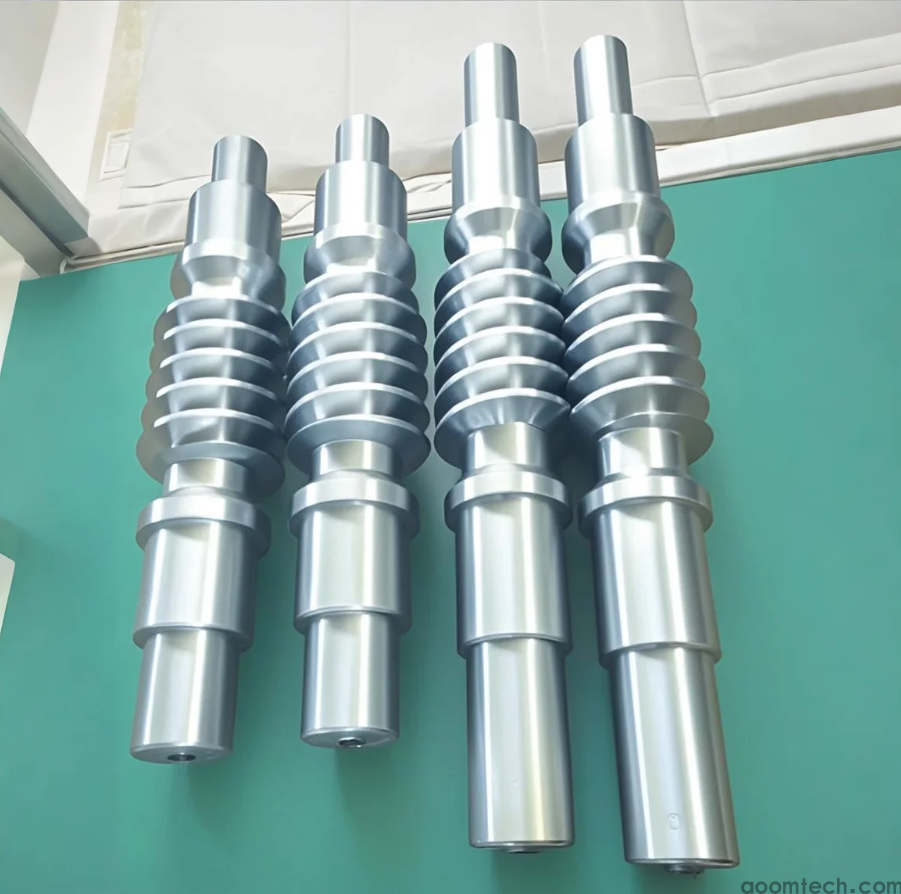
Qual é o problema com os materiais do eixo de transmissão?
Pense no eixo de transmissão como a espinha dorsal do seu sistema de transmissão de energia. Tem que ser resistente, mas não frágil; resistente ao desgaste, mas geralmente precisa ser leve. A questão central que estamos enfrentando é: CNC加工传动轴用什么材料好? Or in English, what materials are best? The short answer is: it wildly depends on your application. There's no one-size-fits-all, but some materials are superstar performers for most jobs. We'll dive into those now.
Principais concorrentes: liga de aço (como 414 ou 434)
Se estamos falando de um burro de carga, liga de aço é isso. Eu vejo isso usado all the time.
Por que é ótimo:
• Super strong and tough: It handles high torque and shock loads like a champion.
• Great wear resistance: It lasts a long time, even in tough conditions.
• Cost-effective: Generally offers a good balance of performance and price.
Cuidado com:
É pesado, portanto, não é ideal para aplicações em que o peso é uma grande preocupação (como a aeroespacial).
• It can rust if not properly coated or treated.
Minha opinião? Para a maioria das máquinas industriais, equipamentos pesados e aplicações automotivas, alloy steel is the default starting point. It's a safe, reliable bet. The specific heat treatment process, however, can drastically change its properties, and that's an area where the exact science can get pretty complex.
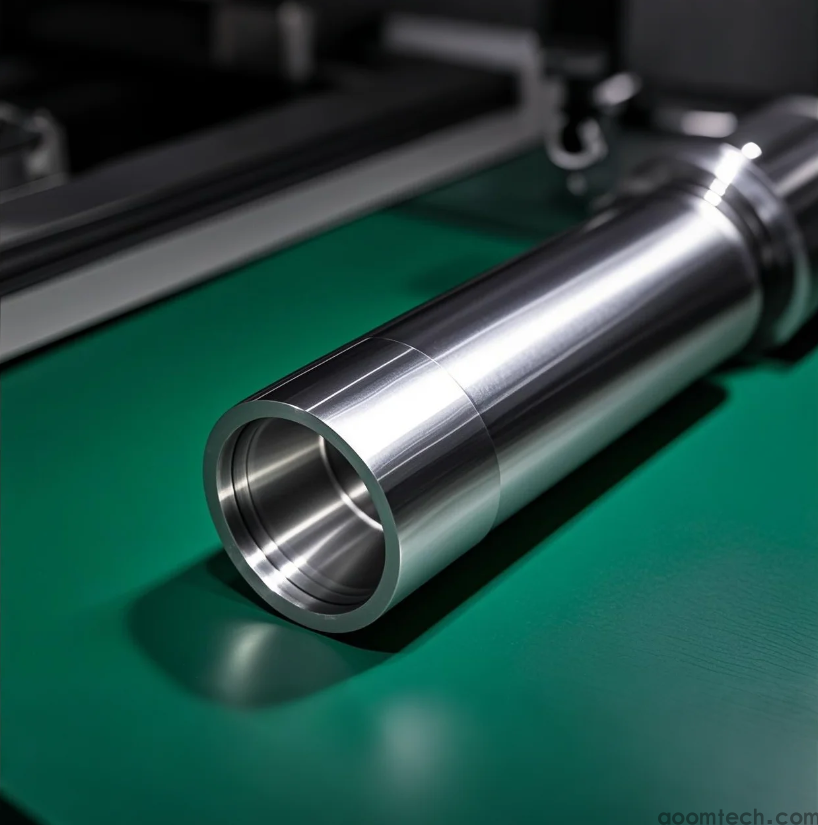
O campeão leve: alumínio (como 6061 ou 7075)
Precisa de algo leve e rápido para usinar? O alumínio é seu amigo.
Por que é ótimo:
• Super lightweight: Crucial for drones, racing vehicles, and high-speed spindles.
• Good strength-to-weight ratio: 7075 aluminum, for instance, has strength close to some steels.
• Corrosion resistant: It forms a protective oxide layer naturally.
Cuidado com:
Não é tão forte quanto o aço, por isso não é adequado para aplicações pesadas e de alto torque.
• It can fatigue over time under repeated stress.
Costumo usar protótipos de alumínio porque são rápidos de usinar e fáceis de testar. Mas para um produto final que precisa levar uma surra, você pode precisar procurar em outro lugar.
The Corrosion Fighter: Aço Inoxidável (Como 304 ou 316)
Trabalhando em um ambiente úmido ou químico? O aço inoxidável avança.
Por que é ótimo:
• Excellent corrosion resistance: Perfect for food processing, marine, or chemical industries.
• Good strength and hardness: It's certainly no slouch in the performance department.
Cuidado com:
• More expensive than alloy steels.
• It can be a bit gummy and tougher on cutting tools during the CNC machining process.
Embora o aço inoxidável seja fantástico para resistir à ferrugem, o mecanismo por trás de sua camada de passivação é algo que não estou totalmente qualificado para explicar em detalhes. Simplesmente funciona! ? Mas por falar em coisas que funcionam, há outra opção que é silenciosamente brilhante.
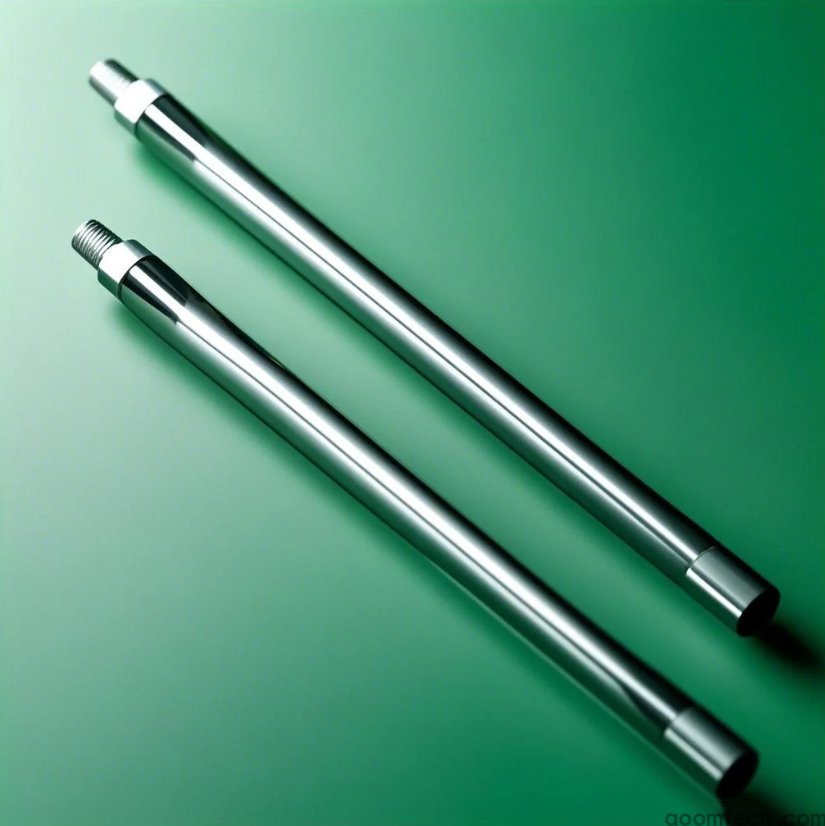
O especialista: titânio (como grau 5 ou Ti-6Al-4V)
Quando você precisa do melhor combination of strength, lightness, and corrosion resistance, titanium is the answer. But it comes at a price.
Por que é ótimo:
Incrível relação força / peso.
Biocompatível e altamente resistente à corrosão.
Cuidado com:
• Very high cost for both material and machining.
• Challenging to machine, requiring specialized tools and expertise.
Você encontrará isso na indústria aeroespacial de ponta, implantes médicos e corridas de alto desempenho. Perhaps it's not an overstatement to say that for the most demanding applications, titanium is unbeatable. But for the other 95% of projects, the previous options are more than enough.
Então, Como Você Realmente Escolhe?
Não escolha apenas o "melhor" material. Escolha o right one. Ask yourself these questions:
• What are the torque and load requirements? (This points you to strength needs)
• Is weight a critical factor? (This decides the strength-to-weight ratio focus)
• What environment will it operate in? (Wet, dry, chemical? This dictates corrosion resistance)
• What's the budget? (This is the reality check!)
Pela minha experiência, um bem escolhido alloy steel often provides the best value for general engineering. However, the rise of compact, high-performance robotics is pushing more designers towards advanced aluminum alloys and even composites, though that's a topic for another day. The landscape of available materials is always shifting, and what was ideal a decade ago might be surpassed by something new tomorrow.
 Que fatores afetam a cotação de usinagem CNC?
Como uma fábrica de usinagem CNC de alta precisão garante.01
Como o preço é calculado para personalização de usinagem CNC
Como calcular o custo de usinagem CNC
Que fatores afetam a cotação de usinagem CNC?
Como uma fábrica de usinagem CNC de alta precisão garante.01
Como o preço é calculado para personalização de usinagem CNC
Como calcular o custo de usinagem CNC