


Como escolher um fornecedor para usinagem CNC de peças de cobre
Encontrar uma oficina que diga que eles podem usinar cobre é fácil. But finding the *right* partner who truly understands the quirks of copper and can deliver consistent, precision results? That's where the real challenge begins. ? If you're a procurement manager or an engineer tired of dealing with surface scratches, poor tolerances, or unreliable delivery on your copper components, you're asking the perfect question. Let's break down this selection process, step by step.
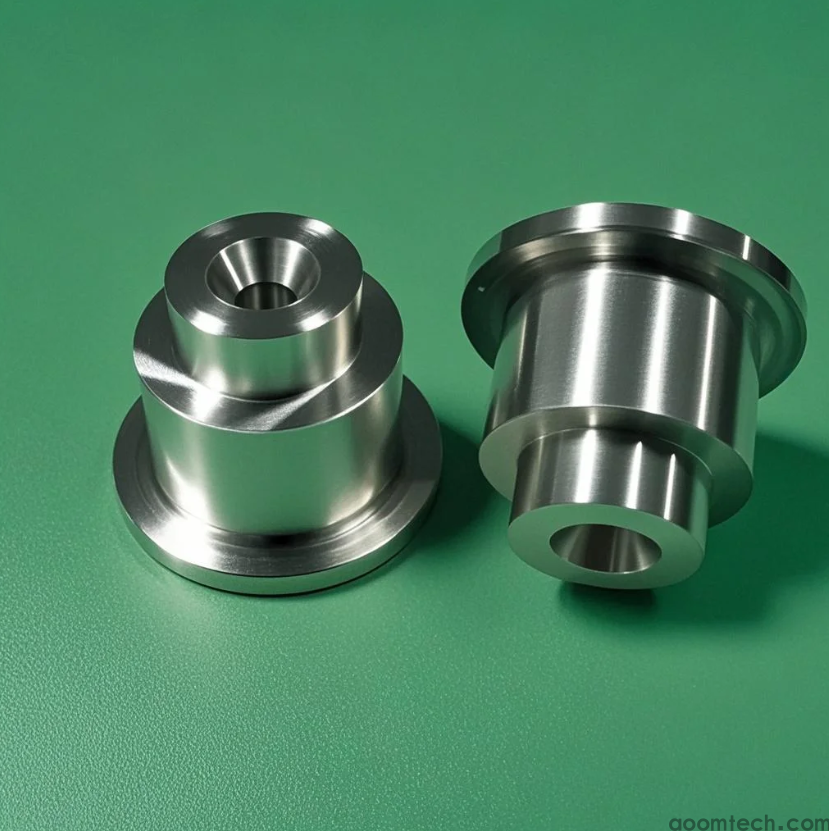
Primeiras coisas primeiro: por que usinar cobre é tão complicado?
Antes de começarmos a escolher, vamos entender o "porquê". O cobre e suas ligas (como latão e bronze) são materiais maravilhosos que oferecem grande condutividade, resistência à corrosão e usinabilidade. However, they can be soft and gummy, which sounds good but can lead to built-up edge on tools, poor surface finish if not handled correctly, and challenges in holding tight tolerances. A supplier who treats copper like steel is a red flag. ?
Etapa 1: Olhe além da lista de máquinas (avalie sua experiência)
Muitos fornecedores listarão suas máquinas CNC. Isso é básico. Você precisa cavar mais fundo:
• Ask about *specific* experience with copper alloys: "How many projects have you done with C11000 electrolytic copper or C36000 brass?" Real experience matters.
• Inquire about tooling and parameters: Do they use specialized tool geometries or coatings (like diamond-like carbon) for non-ferrous metals? Their answer perhaps hints at their level of sophistication.
• Request case studies or samples: Seeing is believing. A confident supplier can show you finished parts.
Minha opinião: Costumo ver compradores indexando demais a marca da máquina. Mas um operador experiente em uma máquina mais antiga pode superar um novato no modelo mais recente quando se trata de materiais meticulosos como cobre.
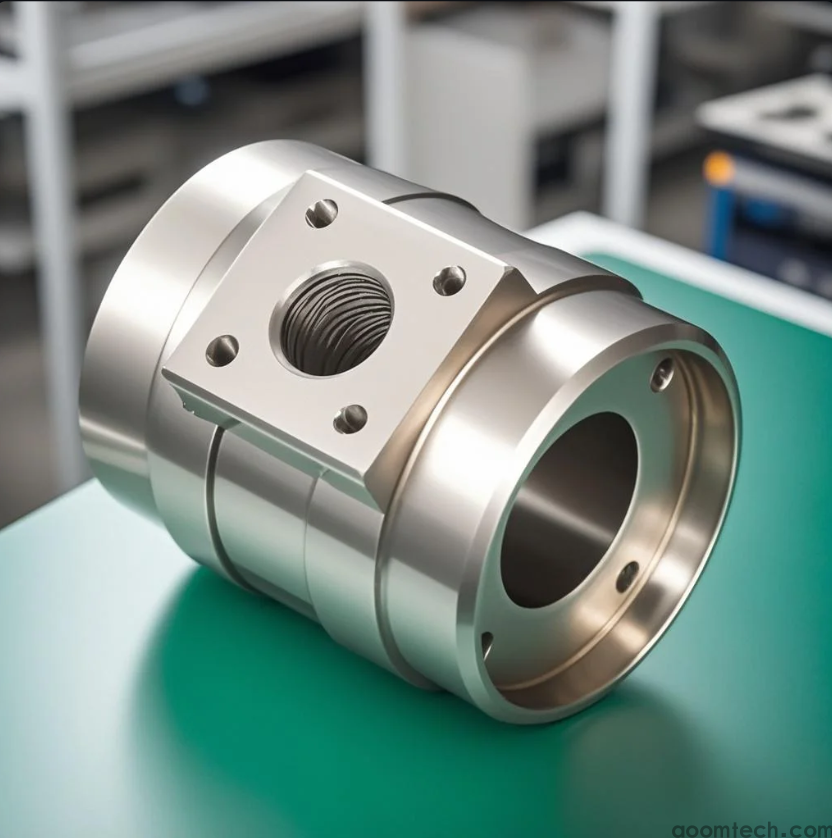
Etapa 2: Examinar Seu Processo De Controle De Qualidade
A precisão não é negociável. Como eles garantem isso?
• First-article inspection (FAI): Do they have a formal process? Will they provide you with inspection reports?
• In-process checks: For longer runs, how do they ensure part 10 is identical to part 1?
• Measurement equipment: Do they have capable tools (like micrometers, CMMs, surface profilometers) to verify the specs *you* care about?
Aqui vai uma dica profissional: Pergunte a eles, "What's the most common quality issue you encounter with copper parts, and how do you prevent it?" Their response will tell you volumes about their problem-solving mindset.
Passo 3: Comunicação e Serviço - A marca ou quebra
Este pode ser o passo mais importante. Uma peça perfeita entregue com atraso é inútil. Um pequeno problema que não pode ser comunicado claramente se torna um grande problema.
• Responsiveness: Do they answer technical questions clearly and promptly?
• Transparency on challenges: If there's a design for manufacturability (DFM) issue, will they speak up early, or just quote and hope for the best?
• Willingness to collaborate: Are they a true partner for prototyping and refining the design?
Ponto de vista pessoal: Eu escolheria um fornecedor um pouco mais caro com comunicação impecável em vez de um mais barato e silencioso qualquer dia. Os custos ocultos da falha de comunicação são enormes. but speaking of which..., you need to balance cost with all these factors.
Etapa 4: Não Faça Do Preço A Primeira Pergunta
Todos nós temos orçamentos. Mas liderar com "quanto por peça?" coloca você em uma mentalidade de mercadoria. Primeiro, estabeleça que eles são tecnicamente capazes e se encaixam bem (etapas 1-3). Then, discuss pricing. A detailed RFQ with clear drawings, material specs, quantities, and tolerance requirements will get you comparable quotes. Be wary of the quote that's drastically lower than others—it often means a compromise somewhere.
E agora? Você tem uma estrutura. O próximo passo é iniciar conversas com parceiros em potencial. Quando você estiver pronto para discutir seu projeto específico de peças de cobre com um fornecedor que o recebe, o caminho mais claro é entrar em contato diretamente. ? Have your drawings ready and start a conversation with our technical team today. We're here to help you navigate from prototype to production, smoothly.
 Que fatores afetam a cotação de usinagem CNC?
Como uma fábrica de usinagem CNC de alta precisão garante.01
Como o preço é calculado para personalização de usinagem CNC
Como calcular o custo de usinagem CNC
Que fatores afetam a cotação de usinagem CNC?
Como uma fábrica de usinagem CNC de alta precisão garante.01
Como o preço é calculado para personalização de usinagem CNC
Como calcular o custo de usinagem CNC