


Si të parandaloni materialet e buta nga deformimi në CNC Machining: Një udhëzues praktik
Ndonjëherë kaloi orë duke projektuar pjesën e përsosur nga një plastikë e butë, vetëm për të parë atë të dalë nga makina CNC shtrembëruar, të përkulur, ose vetëm... Gabim? ? Ju nuk jeni vetëm. Kjo humbje frustruese e kohës dhe materialit është dhimbja e kokës numër një kur përpunimi i materialeve të buta si najloni, Delrin, apo edhe disa metale të buta. Por çfarë nëse ju pothuajse mund ta eliminoni atë? Le të flasim për hapat e vërtetë, praktikë që mund të merrni për të mbajtur pjesët tuaja të buta të sheshtë dhe të sakta.
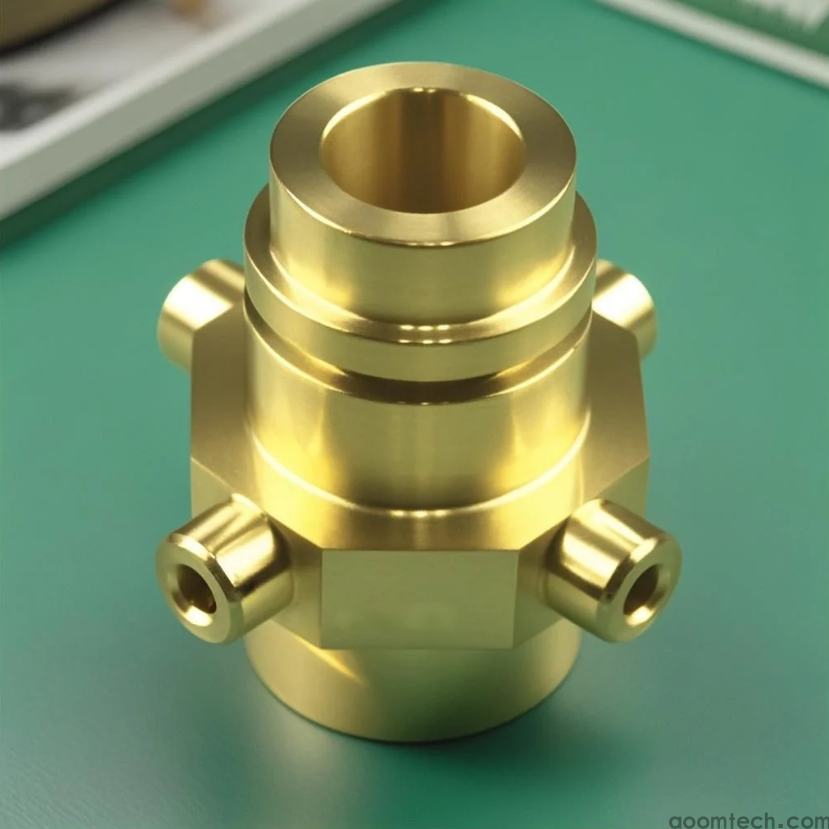
Pse Materialet e Buta Warp Gjatë CNC Machining?
Së pari, duhet ta kuptosh armikun. stress and heat. Think of the material like a piece of clay. When you cut into it, you're releasing internal stresses, and the tool generates heat. This combination makes the material want to move and reshape itself. It’s like the material is sighing in relief after being held tight for so long, but in a way that ruins your part. While this proves heat is a major factor, the material's own internal structure plays a huge role too.
Top 5 mënyra për të mbajtur pjesët tuaja të buta të sheshtë
Nuk ka të bëjë me një truk magjik, por me një kombinim të zakoneve të mira.
1. Zbutë nxehtësinë me mjete të mprehta dhe ushqime të zgjuara
Ky është rregulli numër një. Një mjet i mërzitshëm fërkon në vend të prerjeve, duke gjeneruar nxehtësi masive. Gjithmonë përdorni razor-sharp tools specifically designed for plastics or soft materials. Then, play with your speed and feed settings. Sometimes, a faster cut spends less time heating the material. Other times, a slower, steadier cut is better. You'll need to test a bit.
2. Masteri i Artit të Punës
Mënyra se si e mbani pjesën është gjithçka. Nëse e shtypni poshtë shumë e vështirë, ju jeni duke vënë stres në të para se të filloni prerjen. Kur lironi clamps, pop! – it springs back. Vacuum tables are fantastic because they distribute force evenly. If you're using clamps, be gentle and strategic about their placement.
3. "Mulliri i ngjitjes" vs "Mulliri konvencional" Zgjedhja
Për shumicën e materialeve të buta, climb milling is your friend. In this style, the cutting tooth enters the material at its thickest point and exits at the thin, finished surface. This can help reduce heat and gives a cleaner finish. Conventional milling does the opposite and can sometimes lift the part, encouraging warping.
4. Mos të jetë një hero: Merrni kalojnë drita të shumëfishta
Duke u përpjekur për të hequr të gjithë materialin në një prerje të thellë, heroike është një mënyrë e sigurt për të ndërtuar nxehtësinë dhe stresin. Në vend të kësaj, të marrë multiple lighter passes. This gives the material a chance to cool slightly and reduces the overall force acting on it. It's slower, but you'll actually finish the job with a part that's usable.
5. Le të ftohet dhe të relaksohet (Stres Relief!)
Ndonjëherë, vetë materiali ka stres të brendshëm nga mënyra se si është bërë. Nëse jeni duke punuar me një problembërës të njohur, mund të provoni annealing it yourself before machining. This is basically a controlled heating and cooling process to relax the material. It's an extra step, but for critical parts, it can be a game-changer. However, this might not be practical for every project.
Takimi im personal: Është një dialog me materialin
Pas viteve duke bërë këtë, unë kam ndalur së parë si vetëm duke dhënë komanda për një makinë. dialogue with the material. You make a cut, you see how it responds. You adjust. The goal isn't to force the material into submission, but to guide it gently to its final shape. Paying attention to the sound of the cut, the look of the chips, and even the smell can tell you a lot about whether you're winning the war on warping.
Pra, ndërsa hapat teknikë më sipër janë udhërrëfyesi juaj, mos harroni të dëgjoni. Kjo mund të jetë mjeti më i fuqishëm në punëtorinë tuaj.
Duke luftuar me një material specifik apo një pjesë super komplekse? Ndonjëherë keni nevojë për një opinion të dytë. Our technical team is ready to help you troubleshoot your design and machining strategy. ? [Contact Our Experts Today]
 Kapërcimi i Sfidave të Përbashkëta në CNC Stainless Steel Ma
Çfarë tolerancë mund të arrini me CNC Bar Machining? Një udh
Një Udhëzues Praktik për Machining CNC Batch: Kosto, Procesi
Precision CNC Machining për pjesë të mëdha bakrit: Një udhëz
Kapërcimi i Sfidave të Përbashkëta në CNC Stainless Steel Ma
Çfarë tolerancë mund të arrini me CNC Bar Machining? Një udh
Një Udhëzues Praktik për Machining CNC Batch: Kosto, Procesi
Precision CNC Machining për pjesë të mëdha bakrit: Një udhëz