


Çfarë tolerancë mund të arrini me CNC Bar Machining? Një udhëzues praktik
Përshëndetje, kolegë inxhinierësh dhe prokurime! ? Ndonjëherë e gjeti veten duke vështruar në një vizatim teknik, duke pyetur veten nëse furnizuesi juaj CNC bar machining mund actually hit those tiny tolerance numbers? You're not alone. I've been in those meetings where everyone nods, but deep down, there's that nagging question: "What's realistically achievable?" Let's cut through the marketing fluff and talk real numbers. ?
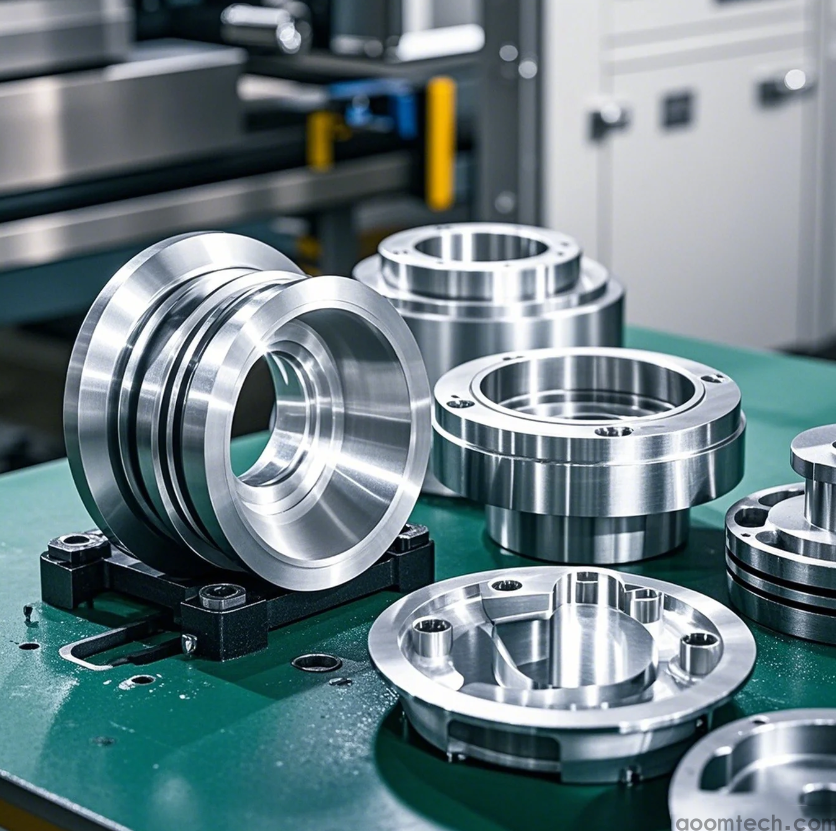
Pra, çfarë është marrëveshja e vërtetë me CNC Bar Machining Accuracy?
Gjërat e para së pari, le t'i përgjigjemi pyetjes së madhe. Për shumicën e punëve standarde CNC bar machining, ju në përgjithësi mund të presin të mbajnë tolerancat rreth ±.025 mm to ±.05 mm (±.001" to ±.002"). That's about the thickness of a human hair! But—and this is a big but—this isn't a guarantee for every single part. It depends on a whole bunch of factors that we'll dig into next. I've seen shops consistently hit these numbers on aluminum and brass, but when it comes to some tricky plastics or super-alloys, the story can change.
Cilat janë faktorët në të vërtetë të ngatërruar me precision tuaj Machining?
Nuk është kurrë vetëm për makinën. Këtu janë të dyshuarit e zakonshëm që mund të bëjnë ose thyejnë qëllimet tuaja të tolerancës:
✅ The Material Itself: Some materials are just easier to work with. Aluminum is pretty forgiving and stable, making it a dream for tight tolerances. But something like stainless steel? It can be a bit of a diva, moving around with heat and stress. The exact way different alloys behave under the cutting tool is something I'm still wrapping my head around.
✅ Machine Condition and Age: A brand-new, high-end Swiss-type lathe is a precision beast. An older, worn-out machine might struggle. It's that simple.
✅ The Length of the Part: This is a big one that often gets overlooked. Trying to hold a tight tolerance on a long, skinny bar? That's much harder than on a short, stubby part. Vibration and deflection become your enemies.
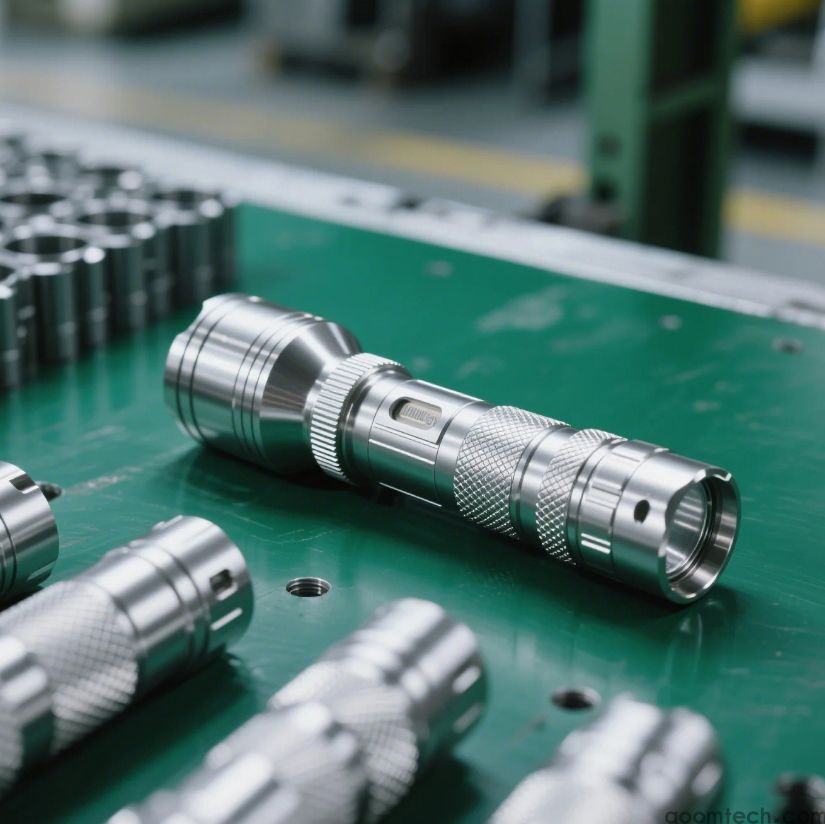
Si mund të ndihmoni furnizuesin tuaj të godasë ato toleranca të shtrënguara?
Besoni apo jo, ju keni një rol për të luajtur edhe! Ja si ju mund të vendosni projektin tuaj për sukses:
? Be Smart with Your Tolerances: Don't just call out super tight tolerances everywhere on the drawing. I always ask my team, "Does this surface really need to be that precise?" Only apply tight tolerances to critical features. This saves cost and headache.
? Talk to Your Machinist Early: Get their input during the design phase. They might suggest a small change that makes the part much easier and cheaper to machine accurately.
? Choose the Right Material: If high precision is your goal, maybe an aluminum grade is a better bet than that specific stainless steel you had in mind. Discuss the options.
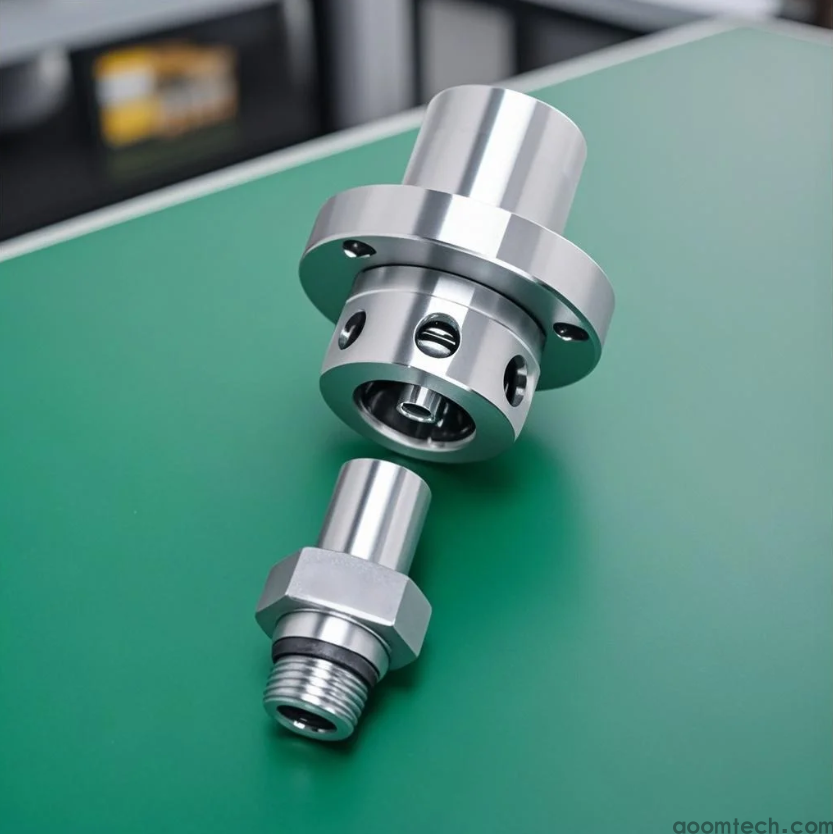
A është “më saktësia” gjithmonë përgjigja e duhur?
Ja dy centat e mia, nga qindra projekte. ? Kostoja nuk rritet linearisht; ajo shkon lart si një shkop hokeji. Kjo e fundit .01 mm e saktësisë mund të dyfishojë koston tuaj pjesë. Ju duhet të pyesni: What does the function of the part actually require? Sometimes, "good enough" is not just good enough—it's the smartest business decision. Perfection can be the enemy of profitability.
Kjo duke u thënë, për komponentët kritikë në hapësirën ajrore ose pajisjet mjekësore, se saktësia ekstreme është e panegociueshme. Por për shumë aplikime të përgjithshme, ndoshta është e tepërt. Aftësia e vërtetë është të dish dallimin.
Nga përvoja ime, rezultatet më të mira vijnë nga një partneritet. Nuk ka të bëjë vetëm me shtyrjen e një furnizuesi për çmimin më të ulët dhe saktësinë më të lartë. Ka të bëjë me komunikimin e qartë, pritjet realiste dhe të kuptuarit e kompromiseve. Kam gjetur se të qenit i pari në lidhje me buxhetin tuaj dhe nevojat e performancës çon në një proces shumë më të qetë dhe një produkt final më të mirë. ? Thjesht diçka për të menduar për projektin tuaj të ardhshëm.
 Kapërcimi i Sfidave të Përbashkëta në CNC Stainless Steel Ma
Çfarë tolerancë mund të arrini me CNC Bar Machining? Një udh
Një Udhëzues Praktik për Machining CNC Batch: Kosto, Procesi
Precision CNC Machining për pjesë të mëdha bakrit: Një udhëz
Kapërcimi i Sfidave të Përbashkëta në CNC Stainless Steel Ma
Çfarë tolerancë mund të arrini me CNC Bar Machining? Një udh
Një Udhëzues Praktik për Machining CNC Batch: Kosto, Procesi
Precision CNC Machining për pjesë të mëdha bakrit: Një udhëz