


CNC Machining Mechanical Parts Custom Supply
CNC Machining Mechanical Parts Custom Supply
CNC Machining Mechanical Parts Custom Supply plays an essential role in modern manufacturing. It allows companies to obtain precisely made mechanical components that match their exact design, function, and performance needs. From automotive engines to industrial machines, custom CNC machining ensures that every part fits and works correctly in complex systems.
Introduction to CNC Machining Mechanical Parts Custom Supply
The Significance of CNC Machining Mechanical Parts Custom Supply
CNC (Computer Numerical Control) machining mechanical parts custom supply is widely used in many industries because it delivers high precision and flexibility. Instead of using standard parts, businesses can order customized components designed for specific machines or applications.
For example, in the automotive industry, custom-machined engine components can improve fuel efficiency and engine performance. In manufacturing systems, specially designed machine parts can increase production speed, reduce downtime, and improve reliability.
This makes CNC Machining Mechanical Parts Custom Supply a key solution for companies that need accuracy, durability, and performance in their equipment.
The Process of CNC Machining Mechanical Parts Custom Supply
Requirement Gathering
The process begins with clear communication between the client and supplier. The supplier collects detailed information such as:
Part design and drawings
Exact dimensions and tolerances
Material requirements
Quantity and delivery schedule
Functional needs (load, speed, temperature, etc.)
This stage is critical in the process of CNC machining custom mechanical parts supply because even small misunderstandings can affect final performance.
Design and Engineering
Engineers use CAD (Computer-Aided Design) software to create a detailed 3D model of the part. Then CAM (Computer-Aided Manufacturing) tools help prepare it for machining.
The design is optimized to ensure it can be manufactured efficiently, safely, and with high precision. Engineers also plan tool paths, machining steps, and cutting strategies.
Material Selection
Choosing the right material is essential. The supplier helps select materials based on application needs:
Stainless steel for corrosion resistance (marine or medical use)
Aluminum for lightweight structures
Alloy steel for high strength and durability
Copper or brass for electrical components
Correct material selection directly affects performance, cost, and lifespan of the part.
CNC Programming
Once the design is ready, programmers convert it into machine code (G-code). This includes tool paths, spindle speed, feed rate, and cutting depth.
Accurate programming is essential to ensure the machine produces parts exactly as designed.
CNC Machining
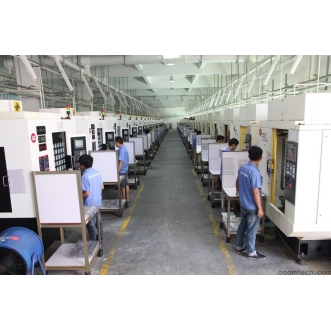
The raw material is placed into CNC machines such as milling machines, lathes, or multi-axis machines. Cutting tools remove material layer by layer to create the final shape.
During machining, operators monitor tool wear, vibration, and temperature to ensure stable quality.
Quality Control
After machining, parts undergo strict inspection. Common tools include:
Calipers and micrometers
Coordinate Measuring Machines (CMM)
Surface roughness testers
Non-conforming parts are reworked or rejected. This ensures high reliability in every delivery.
Delivery and After-Sales Support
After passing inspection, parts are carefully packaged and shipped. Many suppliers also provide after-sales support such as installation guidance, technical advice, and warranty services.
Benefits of CNC Machining Mechanical Parts Custom Supply
High Precision
CNC machining offers extremely tight tolerances and consistent accuracy. This is important in applications like engines, robotics, and medical devices where even small errors can cause failure.
Full Customization
One of the biggest benefits of custom mechanical parts CNC supply is flexibility. Companies can design parts in any shape, size, or material based on their specific needs.
Cost-Effective for Small Batches
Compared to mass production methods, CNC machining is more economical for small or medium production runs. It is ideal for prototypes, custom machines, or replacement parts.
Challenges in CNC Machining Mechanical Parts Custom Supply
Complex Design Requirements
Some parts have very complex shapes or tight tolerances. This requires advanced CNC machines, skilled engineers, and precise programming techniques.
Tool Wear and Maintenance
Cutting tools wear out over time, especially when machining hard materials. Regular inspection and replacement are necessary to maintain quality and reduce production errors.
Tight Delivery Deadlines
Clients often require fast delivery. Suppliers must carefully manage production schedules, material availability, and machine capacity to meet deadlines.
Choosing a Reliable CNC Machining Mechanical Parts Supplier
Experience and Expertise
When choosing CNC machining custom mechanical parts suppliers, experience is very important. A skilled supplier understands different materials, machining methods, and industry requirements.
Quality Assurance System
A reliable supplier should follow strict quality standards such as ISO 9001. This ensures consistent inspection, documentation, and process control throughout production.
Range of Services
A good supplier often provides a full service package including design support, machining, heat treatment, surface finishing, and assembly.
Transparent Pricing
Clear cost breakdowns help clients understand material, machining, and service charges. Transparent pricing builds trust and avoids hidden costs.
Customer Reviews and References
Checking customer feedback and case studies helps evaluate supplier reliability. Positive reviews often indicate good quality, communication, and delivery performance.
Conclusion
CNC Machining Mechanical Parts Custom Supply is a vital solution for industries that require precision, customization, and reliability. By understanding the process, benefits, and challenges, businesses can make better decisions when sourcing mechanical parts.
With the right supplier, companies can improve product performance, reduce production risks, and achieve long-term manufacturing success.
 How to Ensure Precision in CNC
 Small Batch Precision CNC Mach
 What surface finish can CNC ma
 CNC Machining Tolerance Settin