


CNC Machining Metal Lighting Fixtures
CNC Machining Metal Lighting Fixtures: Process, Benefits, Challenges, and Quality Guide
CNC Machining Metal Lighting Fixtures plays a crucial role in modern manufacturing and architectural design. It enables the production of precise, durable, and visually appealing lighting components used in homes, commercial buildings, outdoor spaces, and industrial environments. With the increasing demand for customized and high-quality lighting design, CNC (Computer Numerical Control) machining has become one of the most reliable methods for producing complex metal lighting parts with excellent accuracy and consistency.
Introduction to CNC Machining Metal Lighting Fixtures
The Significance of CNC Machining in Metal Lighting Fixtures
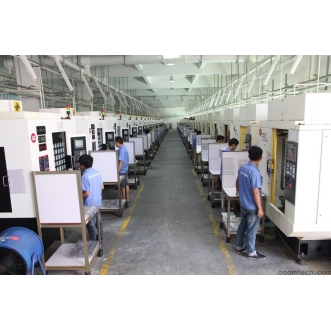
CNC machining is widely used in the production of metal lighting fixtures because it allows manufacturers to achieve high precision and repeatability. Unlike manual machining, CNC systems follow digital instructions to create exact shapes and dimensions, ensuring that every lighting component matches the design requirements.
In modern architecture, CNC machining enables designers to create unique lighting fixtures that match interior or exterior concepts. For example, curved aluminum pendant lights, geometric wall sconces, or industrial-style steel lamps can all be produced with fine detail and consistent quality. In industrial environments, CNC-machined lighting fixtures provide durability and stable performance, ensuring long-term illumination in demanding conditions.
The CNC Machining Process for Metal Lighting Fixtures
Design and Conceptualization
The process begins with design and conceptualization. Lighting designers use CAD (Computer-Aided Design) software to create detailed 3D models of the fixture. These models define shape, size, structure, and lighting functionality.
Key considerations include how light will be distributed, how heat will be managed, and how the fixture will be installed. A well-designed model ensures structural stability and proper performance. Poor design can lead to uneven lighting, overheating, or assembly issues.
Material Selection
Material selection is a critical step in CNC machining metal lighting fixtures. Different metals offer different advantages depending on the application:
Aluminum: Lightweight, corrosion-resistant, and excellent heat dissipation. Ideal for modern lighting designs.
Steel: Strong and durable, suitable for industrial and heavy-duty fixtures.
Brass: Decorative appearance with good corrosion resistance, often used in luxury lighting.
Copper: Aesthetic appeal and natural antimicrobial properties, commonly used in premium designs.
The choice depends on cost, appearance, durability, and machining performance.
CNC Programming
After design approval, the CAD model is converted into CNC instructions using CAM (Computer-Aided Manufacturing) software. This step generates toolpaths, cutting speeds, feed rates, and machining depth.
Accurate programming is essential in the process of CNC machining metal lighting components. Even small errors can result in poor fitting parts or surface defects. Skilled programmers optimize toolpaths to improve efficiency and surface quality.
Machine Setup and Tooling
Before machining begins, the CNC machine is properly set up. This includes selecting cutting tools, securing workpieces, and configuring machine parameters.
Different tools are used for different materials. For example, carbide end mills are commonly used for steel, while high-speed tools are suitable for aluminum. Proper setup ensures precision, reduces tool wear, and improves production efficiency.
Machining Operations
Milling
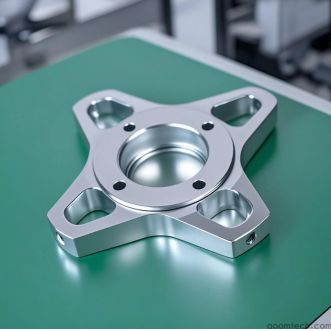
Milling is used to shape flat surfaces, grooves, and complex 3D geometries. Ball-end mills are used for curved surfaces, while flat-end mills are used for precise edges.
Cutting parameters such as spindle speed and feed rate must be adjusted according to material type. For example, aluminum requires higher speed and lighter cutting depth compared to steel.
Turning
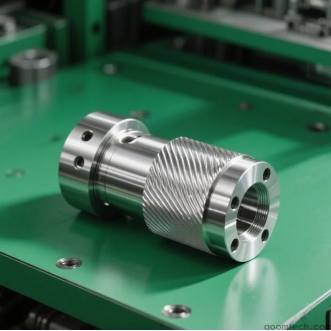
Turning is used to create cylindrical parts such as lamp posts or decorative rods. The workpiece rotates while the cutting tool shapes it.
Maintaining concentricity and smooth surface finish is essential. Carbide tools are often used for hard metals to ensure accuracy and reduce vibration.
Drilling and Boring
Drilling creates holes for wiring, bulb sockets, and mounting points. Boring is used to enlarge and refine hole dimensions.
Precision in hole placement is essential for proper assembly and electrical safety. Incorrect drilling can lead to misalignment or installation problems.
Finishing and Assembly
After machining, finishing processes improve appearance and safety. This includes deburring, polishing, powder coating, or electroplating.
These processes enhance corrosion resistance and visual appeal. Finally, all components are assembled into a complete lighting fixture ready for installation.
Benefits of CNC Machining Metal Lighting Fixtures
High Precision
CNC machining ensures extremely accurate production with tight tolerances. This is essential for ensuring that all parts fit together perfectly and that lighting performance remains consistent. High precision also reduces installation errors and improves product reliability.
Design Flexibility
One of the biggest advantages of CNC machining metal lighting fixtures is design flexibility. Complex shapes, artistic patterns, and custom designs can be easily produced. This allows designers to create visually striking lighting solutions for modern architecture and interior spaces.
Cost-Effectiveness for Small-Batch Production
CNC machining is especially cost-effective for small or customized production runs. There is no need for expensive molds, making it ideal for limited-edition lighting fixtures or prototype development.
Challenges in CNC Machining Metal Lighting Fixtures
Complex Geometries
Some lighting designs involve intricate curves and detailed structures. These require advanced multi-axis CNC machines to achieve accurate results. Without proper toolpath optimization, complex geometries can be difficult to machine efficiently.
Tool Wear and Breakage
Machining metals such as steel can cause tool wear over time. Incorrect cutting parameters may also lead to tool breakage. Using high-quality cutting tools and proper cooling systems helps extend tool life and maintain machining stability.
Surface Finish and Aesthetics
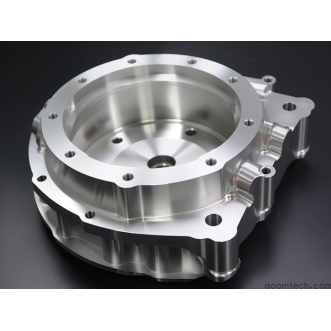
Lighting fixtures require excellent surface quality because they are visible design elements. Poor machining can leave marks or rough surfaces. Post-processing techniques such as polishing and coating are essential to achieve a premium appearance.
Ensuring High-Quality CNC Machining of Metal Lighting Fixtures
Partnering with Experienced Machinists
Working with experienced CNC machinists is essential for achieving high-quality results. Skilled operators understand material behavior, tool selection, and machining strategies.
Evaluating experience through past projects, technical capability, and industry knowledge helps ensure reliable production outcomes.
Quality Control Measures
Strict quality control is essential in the process of CNC machining metal lighting components. This includes in-process inspections and final product testing.
Common inspection tools include calipers, micrometers, and visual inspection systems. These ensure dimensional accuracy, surface quality, and structural integrity.
Continuous Improvement
Manufacturers should continuously improve machining processes by adopting new technologies, upgrading equipment, and training staff. This helps improve efficiency, reduce costs, and maintain competitive product quality in the lighting industry.
Conclusion
CNC Machining Metal Lighting Fixtures is a highly effective manufacturing method that combines precision engineering with creative design. It supports the production of durable, attractive, and customized lighting solutions for a wide range of applications.
Despite challenges such as complex geometries, tool wear, and surface finishing requirements, CNC machining remains one of the most reliable solutions for modern lighting production. By selecting proper materials, optimizing machining processes, and maintaining strict quality control, manufacturers can ensure high-performance and visually appealing lighting fixtures.
As demand for customized and architectural lighting continues to grow, CNC technology will remain a key driver in shaping the future of metal lighting design and production.
 How to Ensure Precision in CNC
 Small Batch Precision CNC Mach
 What surface finish can CNC ma
 CNC Machining Tolerance Settin