


CNC Machining Fitness Equipment Parts
CNC Machining Fitness Equipment Parts
CNC Machining Fitness Equipment Parts plays an important role in modern fitness equipment manufacturing. Gym machines, home workout devices, treadmills, and strength training systems all rely on strong, precise, and durable components. These parts must support repeated heavy loads, ensure user safety, and provide smooth movement during exercise. CNC (Computer Numerical Control) machining makes it possible to produce these parts with high accuracy and consistency, which is essential for both performance and long service life.
The Significance of CNC Machining in Fitness Equipment Parts
Fitness equipment is used daily and often under high stress. A small failure in a component can lead to serious safety risks or poor user experience. This is why precision manufacturing is so important.
CNC machining ensures that each part is made exactly according to design requirements. For example, in a treadmill, the motor gears must fit perfectly to ensure smooth belt movement. In a weight machine, pivot joints must be precisely machined so the motion feels stable and controlled. Without accurate machining, equipment may produce noise, wear out quickly, or even become unsafe.
Using CNC Machining Fitness Equipment Parts also improves product reliability, reduces maintenance costs, and increases customer satisfaction.
The CNC Machining Process for Fitness Equipment Parts
Design and Engineering
The process begins with CAD (Computer-Aided Design) software. Engineers design each part in 3D, considering its function, load capacity, and user comfort. This stage is critical because even a small design mistake can affect safety or performance. For example, poorly designed handlebars on a stationary bike may cause discomfort or injury during long workouts.
Material Selection
Choosing the right material is essential in the process of CNC machining fitness equipment components. Different parts require different properties:
Steel: Used for heavy-load structures such as frames and support systems.
Aluminum alloys: Lightweight and strong, ideal for moving parts.
Plastics: Used for handles, covers, and ergonomic components.
Material selection also depends on corrosion resistance, weight, and machinability. Some materials require special cutting tools or slower machining speeds.
CNC Programming
After design, CAD data is converted into CAM (Computer-Aided Manufacturing) software. This generates the CNC program, which includes toolpaths, cutting speeds, and feed rates. Accurate programming is essential. Incorrect instructions can lead to poor surface finish or incorrect dimensions, which may affect assembly and product safety.
Machine Setup and Tooling
Before machining begins, the CNC machine is prepared with the correct tools and fixtures. For metal parts, carbide cutting tools are commonly used due to their strength and durability. Proper setup ensures stability during machining and reduces vibration, which improves accuracy and surface quality.
Machining Operations
Milling
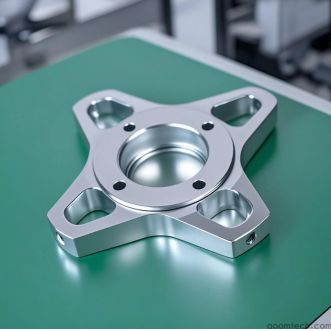
Milling is widely used for producing flat surfaces, slots, and complex shapes. It is commonly used for fitness equipment frames and brackets. The cutting tool rotates and removes material from the workpiece. Proper control of speed and feed rate is important to achieve smooth finishes and accurate dimensions.
Turning
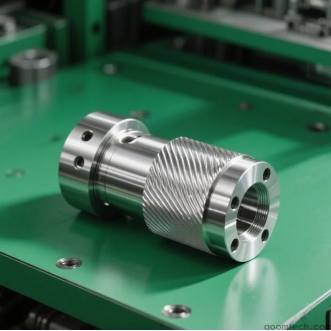
Turning is used for cylindrical parts such as dumbbell handles, shafts, and rollers. The workpiece rotates while the cutting tool shapes it. This process ensures smooth surfaces and precise diameters, which are important for user comfort and mechanical performance.
Drilling and Boring
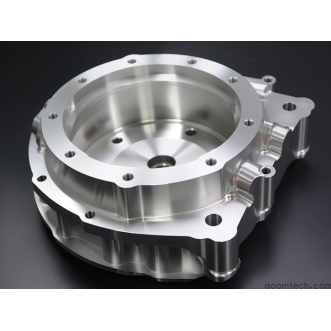
Drilling creates holes for bolts, pins, and cable systems. Boring improves hole accuracy and diameter. Precise hole placement is critical in fitness machines because misalignment can lead to assembly problems or unstable operation.
Quality Control
Quality control is a key step in CNC Machining Fitness Equipment Parts production. Each part is inspected for size accuracy, surface finish, and strength. Tools like coordinate measuring machines (CMM), calipers, and hardness testers are used. Any part that does not meet requirements is reworked or rejected to ensure safety and reliability.
Finishing and Surface Treatment
After machining, parts undergo finishing processes such as polishing, grinding, and deburring. Surface treatments like powder coating, anodizing, or painting improve corrosion resistance and appearance. These processes also make parts safer and more comfortable for users by removing sharp edges.
Benefits of CNC Machining Fitness Equipment Parts
High Precision
One of the main benefits of CNC machining is high precision. Machines follow digital instructions with extreme accuracy, ensuring all parts match design specifications. This improves assembly quality and ensures smooth operation in fitness equipment such as treadmills, rowing machines, and weight systems.
Customization
CNC machining allows manufacturers to produce custom designs easily. This is especially useful for fitness brands that want unique product features or ergonomic designs. Custom handles, seats, and support structures can all be produced efficiently.
Cost-Effective for Small Batches
CNC machining is ideal for small and medium production runs. It reduces setup costs and allows manufacturers to produce prototype parts or limited-edition fitness equipment without large investments. This supports faster product development and market testing.
Challenges in CNC Machining Fitness Equipment Products
Meeting Diverse Requirements
Fitness equipment includes many different machines, each with unique design and performance needs. This creates challenges in production. Manufacturers must adjust machining methods, tools, and materials for each project. This requires experienced engineers and flexible production systems.
Tool Wear and Maintenance
Hard materials such as steel can cause tool wear during machining. Worn tools reduce accuracy and surface quality. Regular inspection and replacement of tools are necessary to maintain consistent production quality. Optimizing cutting speed and feed rate also helps reduce tool wear.
Ensuring Safety and Durability
Fitness equipment must be extremely safe because users apply repeated force during exercise. Parts must withstand long-term stress without failure. This requires strong materials, precise machining, and strict testing procedures.
Ensuring High Quality CNC Machining of Fitness Equipment Parts
Partnering with Experienced Manufacturers
Working with experienced CNC manufacturers is one of the most effective ways to ensure quality. Skilled manufacturers understand material behavior, machining techniques, and quality control standards. They also have advanced equipment that improves accuracy and efficiency.
Continuous Process Improvement
Manufacturers should continuously improve machining processes by upgrading equipment, training staff, and optimizing production methods. This helps reduce errors, improve efficiency, and maintain consistent quality over time.
Collaboration with Designers
Close communication between engineers and designers improves final product quality. Designers provide functional requirements, while machinists suggest manufacturing improvements. This collaboration reduces production issues and improves the overall design of fitness equipment parts.
Conclusion
CNC Machining Fitness Equipment Parts is essential for producing safe, durable, and high-performance fitness machines. Through precise engineering, careful material selection, advanced CNC programming, and strict quality control, manufacturers can ensure that every part meets industry standards.
By understanding the process of CNC machining fitness equipment components, recognizing the benefits of CNC for fitness equipment parts, and addressing the challenges in CNC machining fitness equipment products, manufacturers can deliver reliable and long-lasting fitness equipment for global users.
 How to Ensure Precision in CNC
 Small Batch Precision CNC Mach
 What surface finish can CNC ma
 CNC Machining Tolerance Settin