


How to Choose the Best CNC Parts Manufacturer
How to Choose the Best CNC Parts Manufacturer
Choosing the right manufacturing partner is one of the most important decisions for any business that relies on precision components. Understanding How to Choose the Best CNC Parts Manufacturer can help you avoid costly mistakes, improve product quality, and ensure stable production for your projects.
Computer Numerical Control (CNC) machining refers to the use of automated machines to produce highly precise parts from metal, plastic, and other materials. :contentReference[oaicite:0]{index=0} This technology is widely used in industries such as automotive, aerospace, medical devices, and electronics, where accuracy and consistency are critical.
However, not all manufacturers offer the same level of quality and reliability. A poor choice may lead to defective parts, delayed deliveries, and increased production costs. In sensitive industries like aerospace or healthcare, low-quality parts can even create safety risks.
The Importance of Selecting the Right CNC Parts Manufacturer
The manufacturer you choose directly affects the success of your project. A reliable CNC partner ensures stable quality, on-time delivery, and technical support throughout production. On the other hand, an inexperienced supplier may cause production interruptions or product failures.
This is why businesses must carefully evaluate their options before making a decision, especially when dealing with complex or high-precision components.
Key Factors in Choosing a CNC Parts Manufacturer
1. Experience and Expertise
One of the most important factors in choosing CNC parts manufacturer is industry experience. A manufacturer with many years in CNC machining is more likely to handle complex requirements and unexpected challenges.
Check:
Years in business
Industries served (medical, automotive, aerospace, etc.)
Types of parts previously produced
If you need medical-grade components, for example, choose a supplier experienced in producing high-precision and safety-critical parts.
2. Quality Assurance System
The importance of quality in choosing CNC parts maker cannot be overstated. A strong quality control system ensures every part meets required specifications.
Look for manufacturers that offer:
In-process inspection during production
Final inspection using precision tools like CMM (Coordinate Measuring Machine)
Quality certifications such as ISO 9001
Reliable manufacturers also have clear procedures for handling defective parts and preventing repeated issues.
3. Range of Services
A good CNC manufacturer should offer more than just machining. A wide service range improves efficiency and reduces the need for multiple suppliers.
Useful services include:
Milling, turning, drilling, and grinding
Prototype development
Surface finishing (painting, coating, anodizing)
Design assistance
This is especially helpful for companies looking for end-to-end manufacturing solutions.
4. Technology and Equipment
Modern equipment plays a key role in precision and production speed. Advanced CNC machines can produce complex shapes with tight tolerances.
When evaluating manufacturers, ask about:
Machine types and age
Use of multi-axis CNC machines
Automation and production software
Updated technology often means better accuracy and faster delivery times.
5. Cost-Effectiveness
Price is important, but it should never be the only factor. The best suppliers offer a balance between cost and quality.
When reviewing quotes:
Compare material, machining, and service costs
Check for hidden charges
Evaluate long-term value, not just unit price
Bulk orders or long-term cooperation may help reduce costs.
6. Customer Service and Communication
Good communication is essential for smooth production. A professional manufacturer responds quickly and provides clear updates during every stage.
Poor communication can lead to misunderstandings, while strong communication builds long-term trust and efficiency.
7. Reputation and References
Always check the manufacturer’s reputation before making a decision. Reliable sources include:
Online reviews and industry forums
Customer testimonials
Direct references from previous clients
A strong reputation usually reflects consistent quality and reliable service.
Steps to Select a CNC Parts Manufacturer
1. Define Your Requirements
The first step in steps to select CNC parts manufacturer is clearly defining your project needs. Include:
Part drawings and dimensions
Material type
Quantity required
Surface finish or special treatment
2. Research and Shortlist Suppliers
Use search engines, industry directories, and referrals to find potential manufacturers. Then narrow your list based on experience, capabilities, and reputation.
3. Request Quotes and Samples
Contact shortlisted suppliers and request detailed quotes. If possible, ask for sample parts to evaluate quality, precision, and finishing.
4. Visit the Factory (If Possible)
A factory visit provides valuable insight into production capability, equipment condition, and overall professionalism.
Look for:
Clean and organized production environment
Modern and well-maintained machines
Strong quality control processes
5. Make a Final Decision
Compare all factors including price, quality, service, and reliability. A simple pros-and-cons list can help you make an objective decision.
Conclusion
Learning How to Choose the Best CNC Parts Manufacturer is essential for ensuring product quality, production efficiency, and long-term business success. By carefully evaluating experience, quality systems, technology, and communication, you can find a reliable partner for your manufacturing needs.
Whether you are producing small prototypes or large-scale production parts, choosing the right supplier is an investment in stability, safety, and performance.
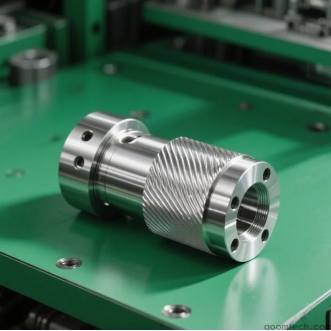 How to Ensure Precision in CNC
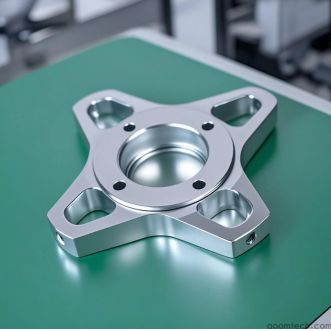 Small Batch Precision CNC Mach
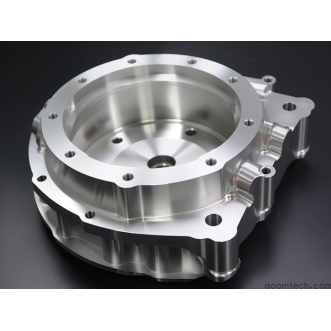 What surface finish can CNC ma
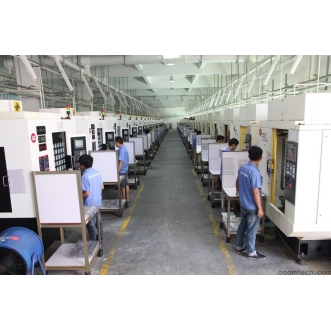 CNC Machining Tolerance Settin