


How to Choose the Best CNC Machining Factory
How to Choose the Best CNC Machining Factory
Choosing the right CNC (Computer Numerical Control) machining factory is one of the most important decisions for businesses and individuals who need high-precision parts. The quality of the factory you select directly affects product performance, cost efficiency, and delivery speed. In industries such as automotive, aerospace, electronics, and medical equipment, even small machining errors can lead to serious performance issues or costly rework.
This article explains how to choose the best CNC machining factory by focusing on practical and essential factors that influence quality, reliability, and overall value.
The Importance of Selecting the Right CNC Machining Factory
The CNC machining factory you choose determines the success of your final product. A reliable factory ensures precise manufacturing, consistent quality, and on-time delivery. On the other hand, choosing an inexperienced or poorly equipped factory can lead to defective parts, production delays, and increased project costs.
For example, in the automotive industry, poorly machined engine components may not fit properly, causing reduced performance or even system failure. In aerospace applications, even a minor dimensional error can compromise safety and regulatory compliance. This is why careful evaluation is essential before making a decision.
Key Factors in How to Choose the Best CNC Machining Factory
1. Experience and Expertise
One of the most important factors is the experience in choosing CNC machining factory capabilities. A factory with many years of experience has likely worked with different materials, complex designs, and demanding industries.
When evaluating experience, consider:
Years of operation in CNC machining
Types of industries served (automotive, aerospace, medical, etc.)
Complexity of parts previously manufactured
An experienced factory usually employs skilled engineers and machinists who can identify design improvements. They may suggest modifications that improve manufacturability, reduce costs, or increase part durability. This expertise adds significant value beyond basic machining.
2. Quality Assurance System
A strong quality control system is essential for consistent and reliable production. Quality assurance in CNC machining factory selection should always be a top priority when making your decision.
A reliable factory typically uses advanced inspection tools such as:
Calipers and micrometers for basic measurements
Coordinate Measuring Machines (CMM) for high-precision inspection
Surface roughness testers for finish evaluation
Good factories apply both in-process inspections and final inspections. They also maintain clear inspection records and quality checklists. If a part fails inspection, it should be clearly marked, analyzed, and either reworked or rejected.
Industries such as aerospace and medical manufacturing require extremely strict quality standards, making a strong quality assurance system absolutely necessary.
3. Cost-Effectiveness
Cost is always an important factor, but it should never come at the expense of quality. A professional CNC machining factory provides transparent pricing that includes material costs, machining time, tooling, and any additional services.
To evaluate cost-effectiveness, you can:
Compare quotes from multiple factories
Analyze what is included in each quote
Check material sourcing capabilities
Evaluate production efficiency
A factory with strong supplier networks may offer better material pricing. Similarly, efficient production processes can reduce machining time, leading to lower overall costs.
4. Turnaround Time
Turnaround time when choosing CNC machining factory is another critical factor, especially for time-sensitive projects. Delays in production can affect the entire supply chain and lead to additional expenses.
A reliable factory should provide clear and realistic delivery timelines. They should also demonstrate the ability to meet deadlines consistently.
When evaluating turnaround time, consider:
Past on-time delivery performance
Production capacity and machine availability
Ability to handle urgent orders
Clear communication about deadlines is essential. Always confirm lead times before placing an order to avoid misunderstandings.
5. Range of Services
A capable CNC machining factory often provides more than just machining services. A wider range of services can improve efficiency and reduce the need to work with multiple suppliers.
Common additional services include:
Design assistance and engineering support
Rapid prototyping
Surface finishing (anodizing, polishing, coating)
Assembly services
Design support helps optimize parts for manufacturability, while prototyping allows testing before full production. Surface treatments improve durability and appearance, and assembly services simplify your supply chain.
6. Equipment and Technology
The quality of a CNC machining factory is closely related to its equipment and technology. Modern machines provide higher precision, better repeatability, and faster production speeds.
Advanced features to look for include:
Multi-axis CNC machines for complex geometries
High-speed machining centers
Modern CAD/CAM software integration
High-quality cutting tools and tooling systems
Factories that invest in modern technology are more likely to produce accurate and efficient results. Outdated equipment may limit precision and increase production time.
7. Communication and Customer Service
Strong communication is essential for successful collaboration. A good CNC machining factory should be responsive, transparent, and easy to communicate with throughout the production process.
Key indicators of good communication include:
Fast response to inquiries
Clear technical explanations
Regular project updates
Willingness to solve problems quickly
Good customer service ensures that your requirements are fully understood and correctly implemented. It also helps avoid misunderstandings that could affect production quality or delivery time.
Practical Tips for Evaluating CNC Machining Factories
To make a confident decision, it is helpful to take a structured approach when evaluating suppliers:
Request detailed quotations and compare them carefully
Ask for sample parts or case studies
Check certifications such as ISO standards
Evaluate communication speed and clarity
Visit the factory if possible or request a virtual tour
These steps help you understand not only the factory’s capabilities but also its reliability and professionalism.
Conclusion
Learning how to choose the best CNC machining factory is essential for achieving high-quality, cost-effective, and reliable manufacturing results. By carefully evaluating experience, quality assurance systems, cost structure, turnaround time, service range, technology, and communication, you can significantly reduce risks and improve project success.
In today’s competitive manufacturing environment, the right CNC partner is not just a supplier—it is a long-term strategic partner that helps bring your designs to life with precision and efficiency.
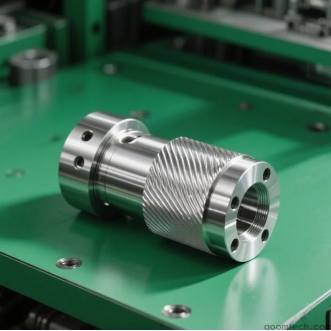 How to Ensure Precision in CNC
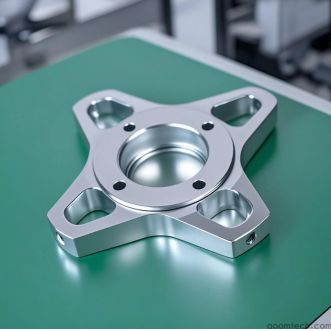 Small Batch Precision CNC Mach
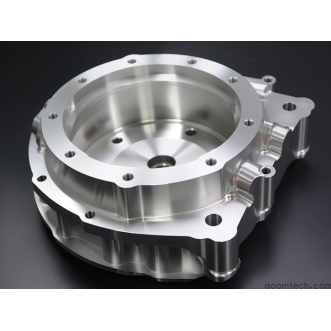 What surface finish can CNC ma
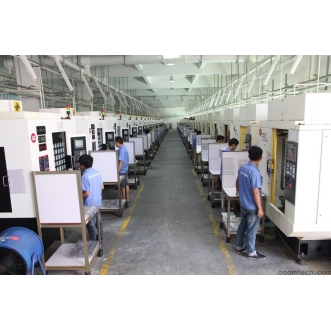 CNC Machining Tolerance Settin