


What Parts Are Generally Processed by CNC Machining?
What Parts Are Generally Processed by CNC Machining?
CNC (Computer Numerical Control) machining is one of the most widely used manufacturing methods in modern industry. It uses computer-controlled machines to cut, shape, and finish materials with high precision. Understanding What Parts Are Generally Processed by CNC Machining? helps engineers, manufacturers, and designers choose the right production method for cost efficiency, accuracy, and performance.
From automotive engines to medical devices and electronic systems, CNC machining plays a key role in producing reliable and high-quality components. Below, we explore the most common types of parts made using CNC technology and why this method is ideal for them.
Mechanical Parts
Engine Components
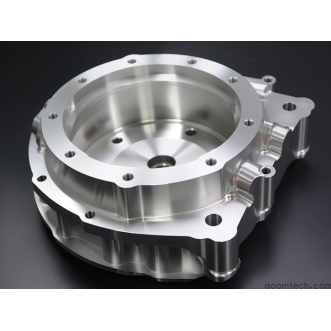
Engine parts processed by CNC machining are among the most critical applications in manufacturing. These include cylinder heads, pistons, crankshafts, and engine blocks used in automotive, aerospace, and marine industries.
These parts require extremely tight tolerances to ensure proper sealing, smooth motion, and efficient energy transfer. For example, a cylinder head must be machined precisely so it can properly align with pistons and prevent leakage during combustion.
Common materials include aluminum alloys (for lightweight and heat dissipation) and steel alloys (for strength and durability). CNC machining ensures repeatable accuracy, which is essential for engine performance and safety.
Gears and Sprockets
Gears and sprockets are widely used in power transmission systems such as bicycles, industrial machines, and automotive drivetrains. CNC machining is ideal for producing these parts because gear teeth must be extremely precise for smooth engagement.
Processes such as CNC milling and gear hobbing are used to create accurate tooth profiles. Steel and hardened alloys are commonly used due to their wear resistance and strength.
Accurate machining ensures reduced vibration, improved efficiency, and longer service life of mechanical systems.
Shafts and Axles
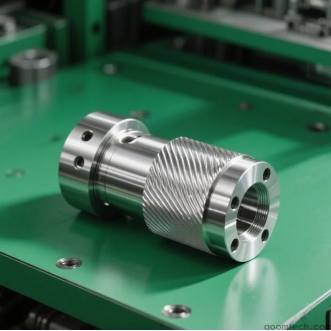
Shafts and axles are essential for transmitting rotational motion in machinery and vehicles. CNC turning machines are commonly used to produce these components with high concentricity and dimensional accuracy.
Using alloy steel or carbon steel, CNC machining ensures smooth surfaces and precise alignment, which helps reduce vibration and wear during operation.
Aerospace Parts
Turbine Blades
Aerospace parts made by CNC machining, such as turbine blades, require extremely high precision and advanced material processing. These components operate under high temperature, pressure, and speed conditions inside jet engines.
CNC machining allows manufacturers to create complex aerodynamic shapes with tight tolerances. Materials like nickel-based superalloys are used because they can withstand extreme heat and stress.
A smooth surface finish is also critical, as it directly affects airflow efficiency and engine performance.
Structural Components
Aerospace structural parts such as wing spars, fuselage frames, and brackets are also commonly produced using CNC machining. These components must be lightweight yet strong enough to ensure aircraft safety.
Aluminum alloys and composite materials are often used. CNC machining helps optimize material usage while achieving complex geometries and high dimensional accuracy.
Strict quality control is essential because these parts directly affect flight safety and structural integrity.
Medical Parts
Surgical Instruments
Medical parts produced with CNC machining include surgical tools such as scalpels, forceps, clamps, and scissors. These instruments require smooth finishes, sharp edges, and precise dimensions for safe medical use.
Stainless steel is commonly used due to its corrosion resistance and biocompatibility. CNC machining ensures consistency and reliability in every tool, which is essential in surgical environments.
High-quality surface finishing also reduces contamination risks and improves sterilization performance.
Implants
Medical implants such as hip joints, knee replacements, and dental implants are also manufactured using CNC machining. These parts must fit the human body with extreme precision.
Titanium alloys are widely used due to their strength, lightweight nature, and excellent biocompatibility. CNC machining allows customization based on patient-specific data, improving comfort and recovery outcomes.
Special surface textures can also be created to support osseointegration, helping bone tissue attach to the implant naturally.
Electronics Parts
Heat Sinks
Heat sinks are essential for cooling electronic components such as CPUs, power supplies, and LED systems. CNC machining is commonly used to produce heat sinks with complex fin structures that maximize heat dissipation.
Aluminum is the most commonly used material due to its excellent thermal conductivity and lightweight properties. CNC precision ensures consistent fin spacing, which improves airflow and cooling efficiency.
Connectors
Connectors are small but essential components in electronic circuits. They ensure stable electrical connections between devices and systems.
CNC machining allows for extremely precise pin alignment and smooth contact surfaces. Copper and copper alloys are often used because of their excellent electrical conductivity.
To improve durability, connectors are often coated with corrosion-resistant materials to ensure long-term reliability in electronic systems.
Why These Parts Are Suitable for CNC Machining
CNC machining is ideal for these parts because it offers:
High dimensional accuracy and tight tolerances
Repeatability for mass production
Ability to work with metals, plastics, and composites
Complex geometry manufacturing capability
Excellent surface finish quality
These advantages make CNC technology a standard choice in industries where precision and reliability are critical.
Conclusion
Understanding What Parts Are Generally Processed by CNC Machining? helps businesses and engineers choose the right manufacturing method for their needs. From engine systems and aerospace structures to medical implants and electronic components, CNC machining supports a wide range of high-precision applications.
By using CNC technology, industries can achieve better performance, improved safety, and more efficient production processes. As manufacturing continues to evolve, CNC machining will remain a core technology driving innovation across multiple sectors.
 How to Ensure Precision in CNC
 Small Batch Precision CNC Mach
 What surface finish can CNC ma
 CNC Machining Tolerance Settin