


Small Batch Precision CNC Machining Parts Manufacturer
Producing custom parts in small batches requires a reliable small batch precision CNC machining parts manufacturer. Small-batch runs (from a few pieces up to a few hundred) are common for prototypes, test runs, or low-volume products. The right supplier must offer precise machines, wide material options, strict quality control, and reasonable costs. This guide explains what to look for in a small-batch CNC supplier and how to get the best results.
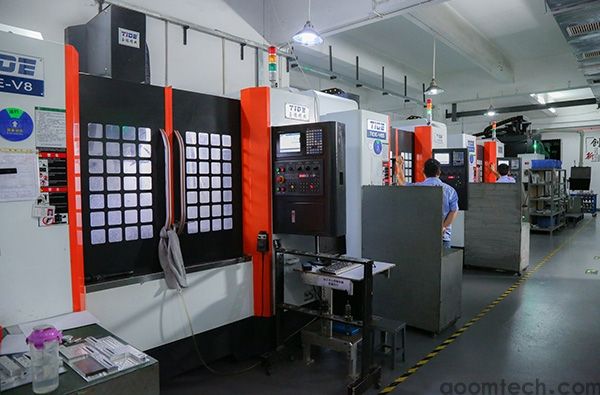
Manufacturer Capabilities and Equipment
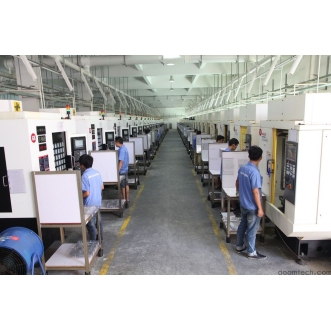
A top supplier should have advanced CNC machines and the skills to use them. Important capabilities of small batch precision CNC machining manufacturers include:
Multi-axis machining: Look for 3-, 4- or 5-axis milling centers and mill-turn (turn-mill) machines. These let complex parts be made accurately in fewer setups.
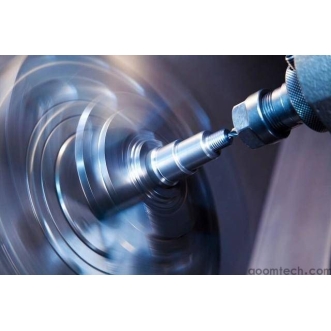
Turning and drilling centers: Good for shafts, pins, and holes. Mill-turn machines combine milling and turning to reduce tool changes.
Material support: The manufacturer should handle your material—common choices are aluminum, steel (including stainless and tool steels), brass, titanium, and engineering plastics. A supplier that works with many materials can advise on which is best for strength and cost.
Tight tolerances: Small-batch CNC shops can hold very fine tolerances. Standard precision is about ±0.005 inch (±0.13 mm), and with careful setup, they can achieve ±0.001" (±0.025 mm) for critical features. Always tell the supplier which dimensions are most important to keep costs down.
Batch size flexibility: A good manufacturer can handle low minimum orders (often as low as 1–5 pieces) and still be efficient. They should balance quick setup for small runs with planning for up to several hundred parts per batch.
Precision and Material Selection
In small-batch runs, precision is key. Different parts and industries have different needs. For example, aerospace and automotive parts often need very tight tolerances, while other parts can be looser. Discuss the design and function of your parts with the supplier so they can set realistic tolerances. Tighter tolerances generally increase cost and time, so only require them where needed.
Material choice also matters. Aluminum is popular for prototypes because it is light, easy to machine, and affordable. Steel and stainless steel are stronger but harder on tools; they suit high-stress parts. Titanium and Inconel are very strong but very costly and slow to cut. Plastics like Delrin (POM), nylon, or ABS work for lighter-duty or insulation parts. A capable small batch precision CNC machining parts manufacturer will advise on materials. They will know how each metal or plastic behaves when cut and help you balance strength, weight, and price.
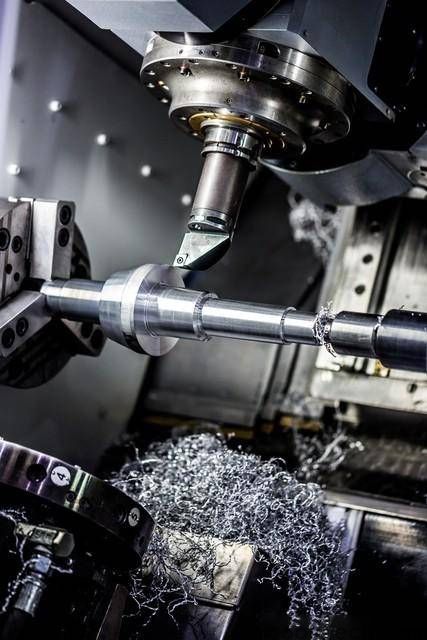
Quality Control Measures
Quality is a top concern in precision parts. Good manufacturers have strict quality systems and inspections. Key quality control in small batch precision CNC parts manufacturing practices include:
Certifications: Look for ISO 9001 certification as a basic quality standard. For critical parts, aerospace or medical certifications (AS9100 or ISO 13485) are important. These standards mean the shop follows international quality procedures.
Material traceability: Reputable shops provide certificates of conformity or material test reports for your batch. This proves the raw material meets specs.
In-process checks: Many shops use probes and sensors on the machine to check dimensions during cutting. They also perform manual or automated measurements between steps to catch errors early.
CMM inspection: At the end of the run, critical parts are often checked on a Coordinate Measuring Machine (CMM). This device gives very accurate dimensional reports, ensuring each part meets the tolerance.
Final inspection reports: After machining, the supplier should provide an inspection report showing which dimensions were measured and that parts passed. This documentation is common in certified shops.
Cost-Effectiveness in Small Batches
Small-batch production tends to have higher per-part cost than mass production, but smart practices can control costs. Discuss cost factors with the manufacturer:
Part design: Simplify your design where possible. Avoid very thin walls or deep slots that need special tools. Merging multiple features into one setup (e.g. multi-axis machining or mill-turn) saves time.
Tolerances: Only use very tight tolerances on critical features. Looser tolerances on others can reduce machining time and rejection risk.
Material choice: Standard materials like 6061-T6 aluminum or mild steel are cheaper and cut faster. Exotic alloys add a lot to price. The supplier should help optimize material selection based on performance and budget.
Volume discounts: If you need multiple batches, ask if they can batch similar parts or run repeat orders. Even small manufacturers sometimes offer a better rate for repeat or 2nd-batch orders, since setup is already done.
Design for manufacture: Good shops provide feedback (DFM analysis) to reduce cost and avoid mistakes. For example, adding fillets instead of sharp corners can increase tool life.
Avoid hidden costs: Request a transparent quote that breaks down material, machining time, and finishing. This helps you compare suppliers and prevent surprises.
Overall, small-batch CNC can be cost-effective for prototyping or limited runs. In fact, for low volumes it can save 30–50% of setup cost compared to tooling up for molding. You avoid expensive molds and can tweak your design before full production. Work with the supplier’s engineers to optimize design and processes for the best cost and speed.
Choosing a Small-Batch CNC Supplier
When selecting a small batch precision CNC machining parts manufacturer, consider these factors:
Technical expertise: Check their equipment list. At minimum, find 3-5 axis mills and CNC lathes. Multi-axis and mill-turn machines are a bonus. Ask if they handle your industry’s requirements (aerospace/medical projects suggest higher precision experience).
Quality and certifications: Verify ISO 9001 or equivalent. For critical parts, certifications like AS9100 (aerospace) or ISO 13485 (medical) show commitment to quality. Ask about their inspection processes (CMM, gauges) and if they issue quality reports.
Engineering support: Good suppliers often do DFM reviews. They may spot design issues before production, saving time and scrap. Ask if they offer this feedback as part of the quoting process.
Communication and service: Responsive quoting and clear contact are important. A supplier that answers questions and sends quick quotes (often within a day) is easier to work with.
Lead time: Small batches should move fast. Ask for their typical delivery time (5–7 days is common). Also ask if they offer rush services for emergencies.
Pricing transparency: Request a detailed quote. It should list material cost, machining time, setup fees, and finishing. This transparency helps avoid hidden fees and lets you compare vendors.
Quality assurance: Confirm they perform first article inspections (FAI) or full inspections on initial batches to catch any issues. The more inspection steps they describe, the more reliable they likely are.
By checking these points, you can find a partner that meets your precision, quality, and budget needs. A good small batch precision CNC machining parts manufacturer will help bring your designs to life accurately and on time.
 How to Ensure Precision in CNC
 Small Batch Precision CNC Mach
 What surface finish can CNC ma
 CNC Machining Tolerance Settin