


What surface finish can CNC machining achieve
The surface finish of a CNC-machined part means how smooth or rough the surface is. A smoother surface (with lower Ra value) often makes parts fit better and last longer. CNC machining can produce a range of finishes, from rough as-machined surfaces to very smooth, polished surfaces. In simple terms, without extra polishing, most CNC parts end up around Ra 3.2–1.6 μm (a medium finish). Additional machining passes or special tools can push this down to about Ra 0.4 μm for very fine finishes.
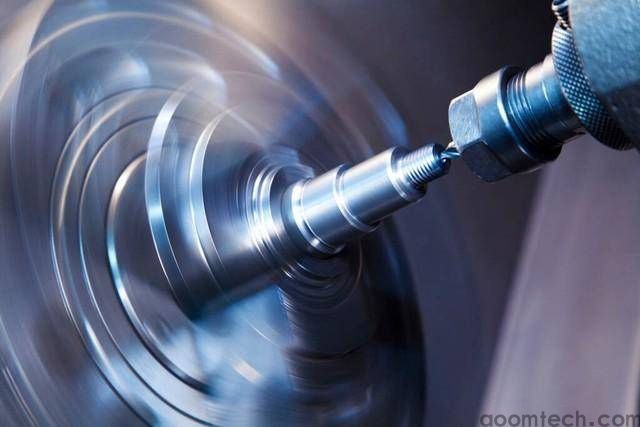
Common surface finishes achievable by CNC machining
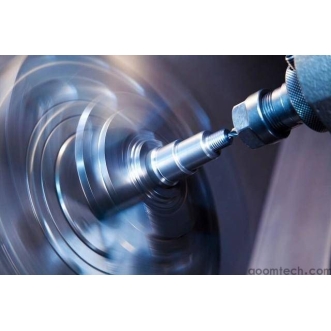
CNC machines can give you different surface textures depending on how you cut the material. The basic finish, often called as-machined, shows the tool marks and is usually around Ra 3.2 μm. By adding extra light passes or using very sharp tools, you can smooth the surface further to Ra 1.6 or even 0.8 μm. In special cases (like using fine polishing tools or fine-grit processes), CNC parts can achieve ultra-smooth finishes (as low as Ra 0.2–0.4 μm). For example:
As-machined: Standard CNC cuts give Ra ≈ 3.2 μm, enough for general parts. Tool marks may be visible.
Finishing pass: A lighter cut with optimal parameters can reach Ra ≈ 1.6–0.8 μm, suitable for parts that need tighter fits.
Polished or fine ground: With special tools or post-process work (polishing/grinding), surfaces can be very smooth (Ra 0.4 μm or better).
Factors affecting CNC surface finish
Several factors influence the final finish of a machined part. Knowing these can help you improve quality:
Cutting parameters: The speed and feed rate make a big difference. Higher spindle speed and lower feed (slow moves with a fast spindle) tend to smooth the cut. However, very high speeds can heat the tool and material. A balance is needed: for example, using high speed with small depth-of-cut often gives a better finish.
Tool selection and condition: Sharp, rigid tools give cleaner cuts. A tool’s geometry (like nose radius) also matters – a larger nose radius spreads the cutting force and usually leaves a smoother surface. Worn or damaged tools cause roughness or tearing. Sometimes special tools (like diamond-coated end mills) are used to get mirror-like finishes on soft metals.
Material impact: Different materials machine differently. Soft, ductile metals (like aluminum and brass) can often achieve very smooth finishes easily. Harder or gummy materials (like stainless steel or some plastics) may form a built-up edge on the tool, making surfaces rougher. Controlling chip formation (with the right feed/speed or coolant) is key. In practice, material properties may require special cutting parameters to avoid smearing or chattering.
Machine and setup: A rigid machine setup with minimal vibration is important. Any wobble or looseness will show up as waves or chatter marks on the surface. Using proper fixturing, balanced tool holders, and steady coolant flow helps flush chips and reduce scoring.
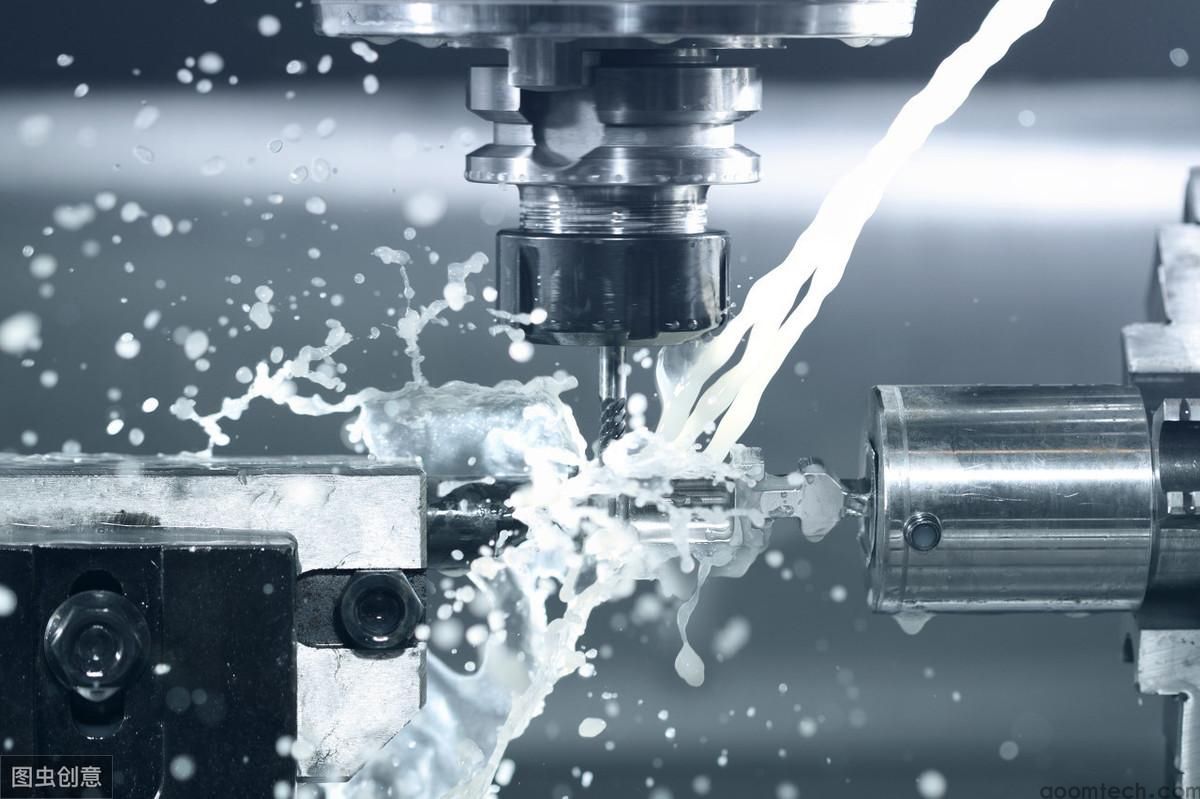
Improving and specifying surface finish
To get the best finish from CNC machining, start by choosing achievable goals. For many parts, Ra 3.2 μm (125 μin) is standard. If you need smoother surfaces, ask for finishing cuts or specify a lower Ra value (like 1.6 or 0.8 μm). Adding an extra light pass at the end of machining can significantly reduce roughness. For the finest finishes, methods such as polishing, grinding or honing are used after machining. These processes can bring Ra down to 0.2 μm or less, which is often used for sealing surfaces or very precise assemblies.
Surface finish requirements should match the part’s function. For example, general housing parts may use 3.2 μm Ra, while sealing or bearing surfaces might need 0.8 μm or better. Over-specifying (asking for extremely low Ra when not needed) increases cost with little benefit. In short, CNC machining can achieve common surface finishes from rough (Ra ~6–12 μm in heavy cutting) down to very smooth (sub-micron with fine machining or polishing). By adjusting cutting parameters for surface finish in CNC machining, selecting the right tools, and considering the material impact on surface finish in CNC machining, you can reach the desired quality. These best practices help ensure parts fit and function as intended while controlling cost.
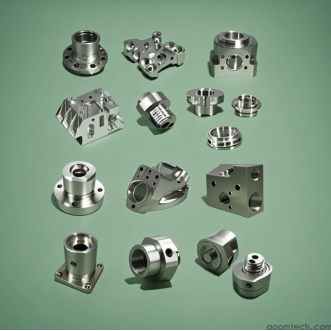 How to Ensure Precision in CNC
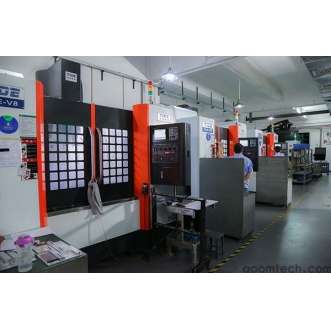 Small Batch Precision CNC Mach
 What surface finish can CNC ma
 CNC Machining Tolerance Settin