


How to Ensure Precision in CNC Machined Parts
Producing CNC machined parts with high precision means every piece matches the design exactly. Precision matters in fields like automotive, aerospace, and medical devices. To achieve this, manufacturers must use careful methods at every step. Key factors include regular machine calibration, accurate CNC programming, the right cutting tools, and strict quality control. We explain each of these strategies below.
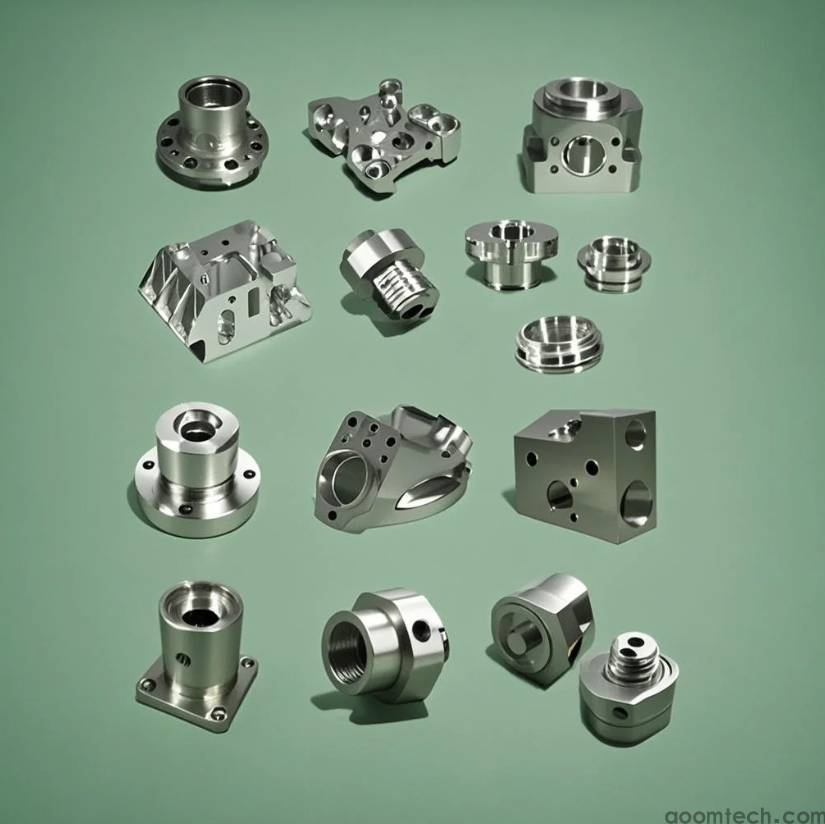
Machine Calibration and Maintenance
Even tiny errors in a CNC machine can ruin part accuracy. Regular machine calibration for precision in CNC machining is essential. Calibration aligns the machine axes and verifies that movements match the commands. As one metrology service explains, a well-calibrated CNC machine “can produce parts that meet the required specifications, have consistent quality, and require less rework”. To keep machines precise, perform tasks like cleaning and lubricating guides, checking spindle alignment, and adjusting tool offsets. For example, use precision tools (calipers, laser interferometers, ballbar kits) to measure axis travel and correct any errors. Most shops calibrate machines at set intervals (often every 3–6 months) or after any collision. Consistent maintenance prevents wear from accumulating and keeps part dimensions within tolerance.
Clean and lubricate moving parts regularly to reduce wear and heat buildup.
Verify axis straightness and squareness with dial indicators or laser tools.
Check and set spindle alignment and tool offsets (length and diameter) using gauge blocks or test cuts.
Schedule full calibration (using laser interferometers or ball-bar tests) whenever accuracy drifts or per manufacturer’s recommendation.
By staying on top of calibration, shops ensure the machine cuts to correct dimensions and reduces variation between parts.
Accurate CNC Programming and Simulation
CNC machines rely on their programs to make parts precisely. Writing the program carefully is just as important as the machine itself. The G-code and M-code tell the CNC exactly how fast to move, where to cut, and when to turn on coolant. As one guide notes, this code “controls the CNC machinery, allowing for accurate and repeatable part manufacturing”. To avoid errors, use modern CAM software to plan each operation. Always simulate the toolpaths: the software will virtually cut the part and highlight any mistakes before a real cut is made.
Use advanced CAM software (e.g. Mastercam, Fusion 360) to generate and review G-code for each part.
Simulate the entire machining process in the software. Check that the tool will move only where intended and clear all fixtures.
Perform a “dry run” (air cut) on the machine’s first piece. Run the program with the tool above the part to confirm correct motions before cutting metal.
Input correct machine, material, and tool data in the program. Verify that coordinate systems and tool offsets (like G54 zero points) are set properly.
By focusing on programming for accurate CNC-machined parts, errors are caught early. Even small programming mistakes can cause large defects, so double-check values and run test cuts. Skilled programmers will refine cycles for drilling, milling, and turning to match the material and tool strategy.
Tool Selection and Proper Use
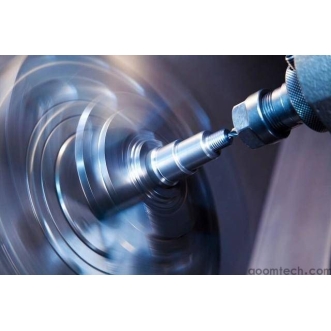
The choice of cutting tools has a big effect on precision. In fact, experts say “precision doesn’t start with the machine—it starts with the tooling”. Proper tool selection for precision in CNC machining means using tools that match the material and part requirements. For example, choose high-quality carbide end mills for steel or diamond-coated cutters for abrasive composites. Tools must be rigid and run true: they “must maintain their shape, remain stable, and resist flexing or vibrating during cutting operations”.
Match tool material and coating to the workpiece (e.g. TiAlN-coated carbide for steel, PCD for aluminum or composites).
Use tools with the right geometry: number of flutes, helix angle, and shape that suit the cut (e.g. high-helix mills for aluminum to clear chips quickly).
Ensure tool holders and collets are precise and secure. Tighten them correctly to avoid runout or wobble.
Keep tools sharp. Replace or regrind cutting edges before they dull. Worn tools produce more deflection and bad finishes.
Well-chosen and well-maintained tooling reduces cutting forces and vibration, which helps parts meet tight tolerances and achieve a high-quality surface finish. Investing in premium inserts or custom tools for critical features can also improve precision in high-volume jobs.
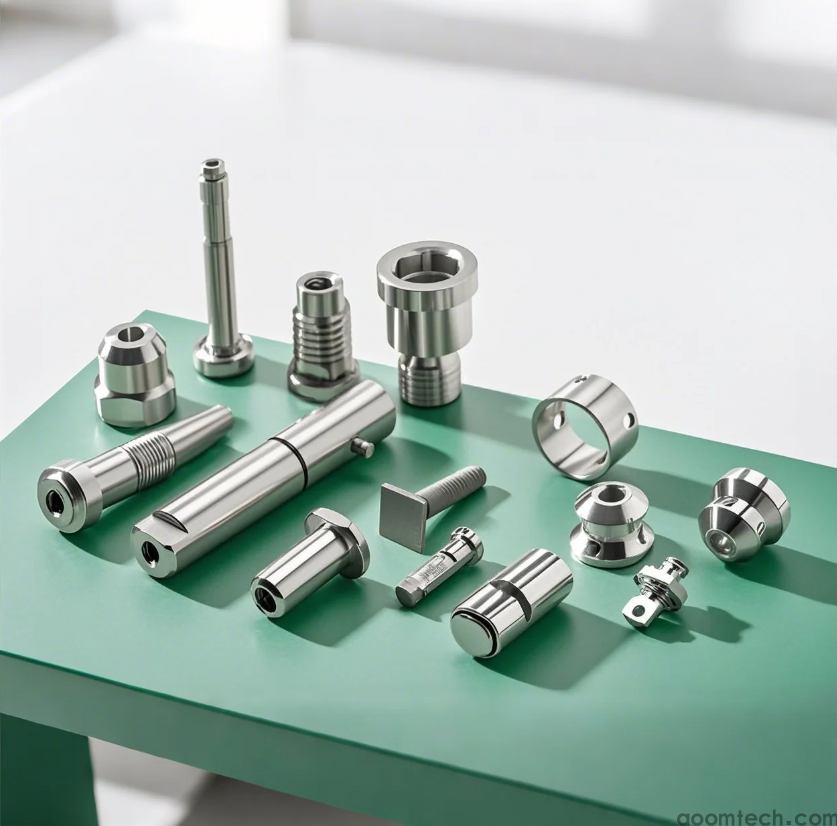
Quality Control and Inspection
No matter how careful machining is, rigorous quality control for precision in CNC-machined parts is essential to catch any problems. Quality control means inspecting parts and tracking data so only correct parts are accepted. Industry leaders stress that “quality control is fundamental for precision machining, ensuring that each component meets rigorous standards”. In practice, shops begin with a design and tolerance review, then perform a first-article inspection (FAI). For the first production piece, measure every dimension (often with a Coordinate Measuring Machine or precise gauge) and compare it against the drawing. If any feature is out of tolerance, adjust the machine or program before continuing.
Perform first-article or sample inspections using calibrated gauges or CMM. Verify all critical dimensions against the print.
Use Statistical Process Control (SPC) to monitor measurements during the run. Plot key dimensions on control charts to spot drift early.
Maintain documentation and control plans (e.g. FAI reports, inspection records) so any issues can be traced and corrected.
Train operators to routinely check parts with calipers or other tools. Even simple in-process checks help maintain consistency.
By enforcing strict QC steps—like a detailed inspection of first pieces and continuous monitoring—shops ensure parts meet all specifications before delivery. Remember: “CNC machines alone cannot achieve the required precision” without a proper quality process. Effective QC stops defects from shipping and builds confidence that every part is as precise as needed.
Conclusion
Ensuring precision in CNC machined parts takes a systematic approach at every stage. By regularly calibrating machines and keeping them well-maintained, using careful programming practices, selecting the right tools, and enforcing strict quality inspections, manufacturers can consistently hit tight tolerances. Attention to detail—from the first calibration to the final inspection—means parts will perform reliably in the real world. Following these best practices will help deliver CNC parts that meet the highest precision demands, reducing rework and increasing customer satisfaction.
 How to Ensure Precision in CNC
 Small Batch Precision CNC Mach
 What surface finish can CNC ma
 CNC Machining Tolerance Settin