


CNC Machining Technology for Aluminum Alloy
CNC Machining Technology for Aluminum Alloy
Modern manufacturing relies heavily on precision, efficiency, and material performance. One of the most widely used solutions today is CNC Machining Technology for Aluminum Alloy. This technology combines computer-controlled machining systems with aluminum alloy materials to produce highly accurate and durable components used across industries such as aerospace, automotive, and electronics.
Aluminum alloy is popular because it is lightweight, strong, and resistant to corrosion. When combined with advanced CNC systems—based on Computer Numerical Control :contentReference[oaicite:0]{index=0}—manufacturers can produce complex parts with high precision and consistency. These CNC-machined aluminum alloy parts significantly improve product performance, reliability, and cost efficiency.
Introduction to CNC Machining Technology for Aluminum Alloy
The significance of CNC machining for aluminum alloy lies in its ability to transform raw aluminum materials into precise engineering components. Industries depend on this process to achieve accuracy, repeatability, and scalable production.
Because aluminum alloy is easy to machine and widely available, it is one of the most commonly used materials in CNC manufacturing. CNC machining ensures that even complex designs can be produced efficiently without compromising quality.
Significance of CNC Machining for Aluminum Alloy
Precision Manufacturing
CNC machining ensures extremely high precision when producing aluminum alloy parts. The computer-controlled system can achieve tight tolerances that are often required in critical applications.
For example, in automotive engines, aluminum alloy components such as cylinder heads and housings must fit perfectly. CNC machining ensures accurate dimensions so that all parts assemble correctly and function efficiently without leakage or vibration issues.
Complex Shape Formation
Another major advantage is the ability to create complex geometries. Designers are no longer limited by traditional manufacturing methods.
For instance, electronic device housings often require internal channels, heat dissipation structures, and mounting points. CNC machining makes it possible to produce these detailed structures in a single aluminum alloy component with high accuracy.
Process of CNC Machining Aluminum Alloy
Design and Programming
The process begins with digital design using CAD (Computer-Aided Design) software. Engineers create a 3D model of the part based on functional requirements.
Then CAM (Computer-Aided Manufacturing) software converts the model into machine instructions. Parameters such as toolpath, spindle speed, feed rate, and cutting depth are carefully set.
For example, a complex aluminum alloy bracket used in aerospace systems may require advanced toolpath optimization to avoid vibration and ensure surface smoothness.
Material Selection and Preparation
Selecting the right aluminum alloy is essential. Different grades offer different properties such as strength, hardness, and corrosion resistance.
For example, softer aluminum alloys are easier to machine but may require lower cutting forces to avoid deformation. After selection, the material is cut into suitable sizes and prepared for machining.
Fixture and Setup
Proper fixture design is critical to ensure stability during machining. The aluminum workpiece must be securely held without deformation.
A custom fixture is often used for irregular shapes such as aluminum alloy castings. This ensures stability and improves machining accuracy.
Machining Operations
Milling
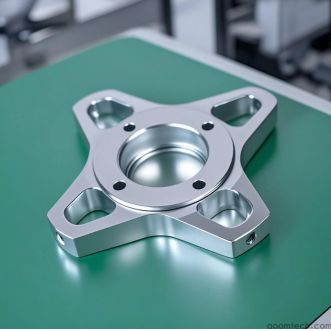
Milling is used to create flat surfaces, grooves, and complex shapes. Because aluminum alloy is relatively soft, higher spindle speeds and feed rates are often used to prevent material sticking.
Turning
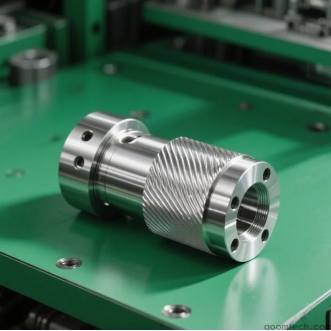
In turning operations, the aluminum workpiece rotates while a cutting tool shapes it into cylindrical forms. Proper control of feed rate ensures dimensional accuracy and smooth surface finish.
Drilling
Drilling is used to create precise holes in aluminum alloy parts. Coolant is often applied to reduce heat and prevent material deformation or tool wear.
Quality Control and Inspection
Quality inspection ensures that every part meets design requirements. Tools such as calipers, micrometers, and coordinate measuring machines (CMM) are used.
For example, a CMM may detect a small deviation in an aerospace aluminum component, allowing corrections before assembly and preventing costly failures.
Benefits of CNC-Machined Aluminum Alloy Parts
High-Quality Output
CNC machining ensures consistent quality and precision across all produced parts. This is especially important in industries like aerospace where safety and reliability are critical.
Cost-Effectiveness for Medium to Large Production
Once programming and setup are complete, CNC machines can produce large quantities efficiently. This reduces the cost per unit significantly.
Lightweight and Strong Structure
Aluminum alloy naturally provides a strong yet lightweight solution. CNC machining preserves these properties while enabling precise structural designs.
For example, automotive manufacturers use aluminum alloy frames to reduce vehicle weight and improve fuel efficiency.
Challenges in CNC Machining Aluminum Alloy
Material Softness and Stickiness
Aluminum can sometimes stick to cutting tools, causing poor surface finish. This issue is often solved by using proper coatings or lubricants.
Heat Generation
Excessive heat during machining may cause deformation. Cooling systems and optimized cutting parameters are necessary to control temperature.
Tool Wear and Breakage
High-speed machining can lead to tool wear. Using high-quality carbide tools and proper machining strategies helps extend tool life.
Applications of CNC-Machined Aluminum Alloy Components
Aerospace Industry
Aluminum alloy is widely used in aircraft structures due to its strength-to-weight ratio. CNC machining produces components like wing spars and fuselage parts with high precision.
Automotive Industry
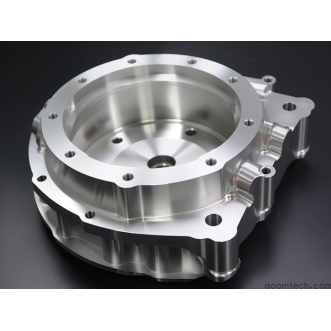
Engine blocks, transmission housings, and structural parts are commonly made using CNC-machined aluminum alloy to reduce weight and improve performance.
Electronics Industry
Aluminum alloy is used for heat sinks, device enclosures, and internal supports. CNC machining ensures excellent heat dissipation and structural accuracy.
Conclusion: Mastering CNC Machining for Aluminum Alloy
The CNC Machining Technology for Aluminum Alloy is a powerful manufacturing solution that combines precision, efficiency, and material performance. Understanding the process of CNC machining aluminum alloy, its benefits, challenges, and applications helps manufacturers and designers make better engineering decisions.
From aerospace components to consumer electronics, CNC-machined aluminum alloy parts play a critical role in modern industry. By mastering this technology, companies can achieve higher product quality, lower production costs, and improved innovation capability.
If you are working on engineering or manufacturing projects, considering CNC machining for aluminum alloy components can significantly enhance your product performance and competitiveness in the global market.
 How to Ensure Precision in CNC
 Small Batch Precision CNC Mach
 What surface finish can CNC ma
 CNC Machining Tolerance Settin