
CNC Machining Company for Medical Device Parts
CNC Machining Company for Medical Device Parts
The CNC Machining Company for Medical Device Parts plays a critical role in modern healthcare manufacturing. Medical devices require extremely high precision, safe materials, and strict quality control to ensure patient safety and reliable performance. From surgical instruments to implantable devices, these companies help transform engineering designs into safe and functional medical components used in hospitals and clinics worldwide.
This article explains what these companies do, why they are important, and how to choose the right partner. It also covers key processes, benefits, challenges, and practical selection tips in simple and clear language.
Introduction to CNC Machining Company for Medical Device Parts
Medical device parts must meet strict requirements for accuracy, cleanliness, and material safety. A CNC Machining Company for Medical Device Parts uses computer-controlled machines to produce highly precise components that meet these standards.
These companies support the entire medical industry by manufacturing parts used in diagnostic machines, surgical tools, dental devices, and implant systems. Their work directly impacts patient safety and medical success.
The Significance of CNC Machining Companies in Medical Device Manufacturing
Medical devices often operate inside or near the human body. Therefore, even the smallest error can affect performance or safety. CNC machining companies ensure parts are made with consistent quality, tight tolerances, and approved materials. This helps improve reliability in everything from simple tools to complex implantable devices.
Advantages of Choosing a CNC Machining Company for Medical Device Parts
Precision Manufacturing
One of the biggest advantages of a CNC Machining Company for Medical Device Parts is high precision. CNC systems can achieve extremely tight tolerances, which is essential for medical devices that must fit and function perfectly.
For example, a CNC-machined component used in a medical imaging device can improve diagnostic accuracy by ensuring perfect alignment of internal optical or scanning systems. This level of precision directly improves patient diagnosis results.
Customization Capability
Medical devices are often designed for specific patients or procedures. CNC machining allows full customization based on digital designs.
For example, a custom dental implant can be produced based on a patient’s jaw structure, ensuring better comfort, stability, and healing results. This flexibility is especially important in modern personalized medicine.
Material Compatibility
Medical parts require safe and biocompatible materials such as stainless steel, titanium, and medical-grade plastics. A professional CNC machining company understands how to work with these materials safely and effectively.
For example, titanium is often chosen for spinal implants because of its strength, corrosion resistance, and compatibility with human tissue. Proper material selection ensures long-term safety and performance.
Processes in a CNC Machining Company for Medical Device Parts
Design and CAD/CAM Programming
The process begins with design using CAD (Computer-Aided Design), a digital modeling method used in engineering. In medical manufacturing, engineers and designers carefully consider safety, function, and sterilization needs.
The design is then converted into machine instructions using CAM (Computer-Aided Manufacturing), part of modern manufacturing systems often linked with CAD/CAM technology (Computer-Aided Design is widely used in engineering fields). These instructions guide the CNC machines on how to move, cut, and shape materials.
For example, a minimally invasive surgical instrument may require complex tool paths to achieve both fine detail and smooth surface finishes.
Material Selection and Preparation
Choosing the correct material is essential in medical manufacturing. The material must meet safety regulations and mechanical requirements.
Before machining, materials may be cut, heat-treated, or surface-prepared to improve performance. Harder materials may require special cutting tools and slower machining speeds to prevent tool wear and ensure accuracy.
Machining Operations
Milling: Milling is used to create flat surfaces, grooves, and complex 3D shapes. Carbide tools are commonly used for strength and durability. Adjusting cutting speed and feed rate helps achieve smooth surfaces and precise dimensions.
Turning: Turning is used for cylindrical parts like shafts or implant components. It requires precise tool control to ensure correct shape and surface finish.
Drilling: Drilling creates accurate holes in medical parts. High-speed or carbide drills are used with coolant systems to prevent overheating and maintain precision.
Quality Control and Sterilization
Quality control is one of the most important steps in medical machining. Every part is checked during and after production to ensure accuracy, surface quality, and material integrity.
In some cases, parts also undergo sterilization processes before use in medical environments. For example, a defect detected during inspection can prevent a faulty implant from reaching a patient, improving safety outcomes.
Benefits Provided by CNC Machining Companies for Medical Device Parts
Improved Medical Device Performance
High-quality machining improves device reliability and function. For example, a CNC-machined component in a cardiac device can improve battery efficiency and long-term stability, helping patients receive more dependable treatment.
Accelerated Product Development
CNC machining supports fast prototyping and production. Medical companies can test and improve designs quickly.
For example, a startup developing a surgical tool can rapidly produce prototypes, test them in real conditions, and refine the design before mass production.
Compliance with Medical Regulations
A reliable CNC Machining Company for Medical Device Parts follows strict industry regulations to ensure product approval and safety. Compliance helps manufacturers meet regulatory requirements and bring products to market faster.
For example, meeting quality system standards can help a company successfully obtain approval for a new implant device.
Challenges Faced by CNC Machining Companies for Medical Device Parts
Meeting Stringent Quality Standards
Medical manufacturing requires extremely strict quality control. Even small defects can cause serious risks. Companies must invest in advanced inspection systems and skilled technicians.
High-Cost Materials and Equipment
Medical-grade materials and precision machines are expensive. This increases production costs and can affect pricing strategies for CNC machining companies.
Regulatory Changes
Medical regulations often change. Companies must continuously update their processes to stay compliant. This may require new equipment, training, or production adjustments.
How to Select a CNC Machining Company for Medical Device Parts
Experience in Medical Device Manufacturing
Experience is very important. A company with medical industry experience understands safety standards, material requirements, and precision needs.
For example, experienced manufacturers can solve complex design challenges for implant components more efficiently than general machining providers.
Quality Assurance and Certifications
Look for certifications such as ISO 13485 (Medical Device Quality Management System), which ensures strong quality control systems for medical manufacturing. Certified companies are more likely to deliver safe and reliable parts.
Cost-effectiveness and Pricing Transparency
Cost is important, but should not be the only factor. A good company provides clear pricing, including materials, machining, and inspection costs. Comparing multiple quotes helps find the best balance between cost and quality.
Conclusion: Making the Right Choice for Medical Device Parts Machining
Choosing the right CNC Machining Company for Medical Device Parts is essential for ensuring safety, performance, and regulatory compliance. These companies provide precision manufacturing, material expertise, and fast production capabilities that support the entire medical device industry.
Key Takeaways:
Precision and quality are critical in medical machining.
Material selection and customization improve device performance.
Strict quality control ensures patient safety.
Experience and certifications like ISO 13485 are important.
When selecting a partner, carefully evaluate their experience, quality systems, and transparency. A well-chosen CNC machining company can significantly improve the success of your medical device project and help bring safer products to market.
 How to Ensure Precision in CNC
 Small Batch Precision CNC Mach
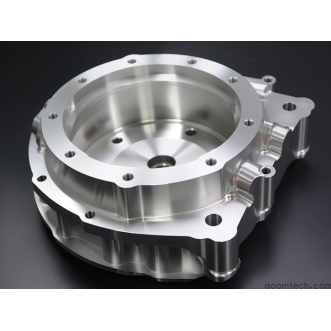 What surface finish can CNC ma
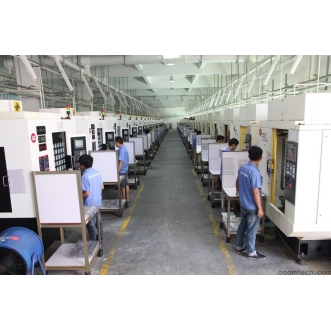 CNC Machining Tolerance Settin