


CNC Machining Process for High-Precision Brass Parts
CNC Machining Process for High - Precision Brass Parts
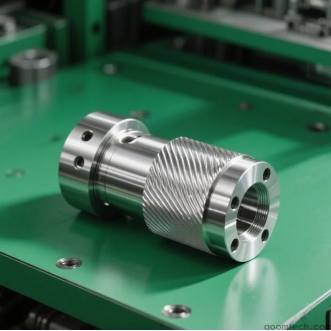
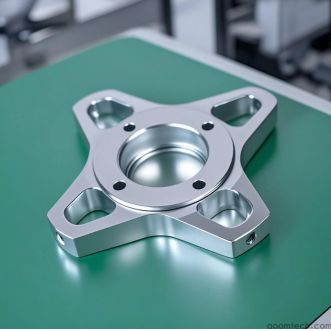
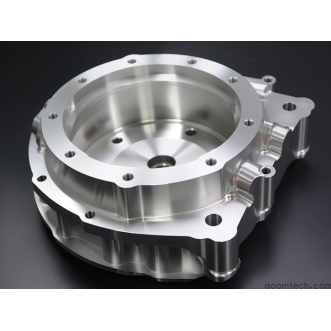
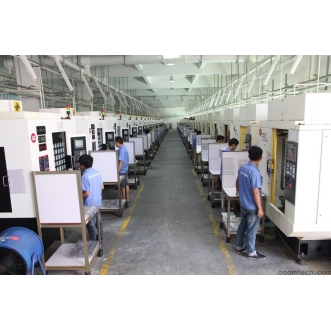
The CNC Machining Process for High - Precision Brass Parts is a modern manufacturing method used to produce accurate and reliable components from brass material. It is widely used in industries that require tight tolerances, stable performance, and consistent quality. This process uses computer-controlled machines to cut, shape, and finish brass parts with high accuracy, reducing human error and improving production efficiency.
In this article, we will explain the full process in simple terms, including its significance, main steps, tooling, quality control methods, and common challenges.
The Significance of CNC Machining for High - Precision Brass Parts
Brass is a popular engineering material because it has good electrical conductivity, strong corrosion resistance, and excellent machinability. These properties make it suitable for many industries such as electronics, plumbing systems, automotive components, and musical instruments.
The significance of CNC machining for high - precision brass parts lies in its ability to produce complex and accurate shapes that manual methods cannot achieve consistently. CNC machining ensures each part meets strict dimensional requirements, which is very important for product performance and safety.
For example, in electronic connectors, even a small dimensional error can cause poor electrical contact. CNC-machined brass parts help ensure stable performance and long service life in such applications.
Steps in CNC Machining High - Precision Brass Parts
Design and CAD/CAM Programming
The process begins with computer-aided design (CAD). Engineers create a detailed 3D model of the brass part based on its function and technical requirements. This model defines exact dimensions, shapes, and tolerances.
Next, computer-aided manufacturing (CAM) software converts the design into machine instructions. These instructions include toolpaths, cutting speeds, feed rates, and spindle speeds. Since brass is relatively soft compared to other metals, programmers often choose higher cutting speeds and controlled feed rates to achieve smooth surfaces.
For example, a multi-pin electrical connector requires precise alignment of each contact point. The CNC program must carefully control tool movement to ensure every pin position is accurate and consistent.
Material Selection and Preparation
Choosing the right brass alloy is an important step. Common options include yellow brass, red brass, and naval brass. Each type has different properties:
Yellow brass: good machinability and general-purpose use
Red brass: higher corrosion resistance
Naval brass: strong resistance to seawater corrosion
The selected material is cut into suitable sizes before machining. In some cases, annealing is used to soften the material and improve machinability. Material choice directly affects tool wear, cutting speed, and final part quality.
Machining Operations
Milling
Milling is used to create flat surfaces, slots, and complex 3D shapes. Carbide-tipped end mills are commonly used because they maintain sharpness during high-speed cutting. To achieve smooth surface finishes, higher cutting speeds and lower feed rates are often applied. Proper chip control is important to prevent clogging.
Turning
Turning is used for cylindrical brass parts such as shafts and bushings. The workpiece rotates while a cutting tool removes material. Carbide inserts are typically used for stable performance. Precision control ensures correct diameter, roundness, and surface finish.
Drilling
Drilling creates accurate holes for screws, fluid channels, or connectors. High-speed steel (HSS) or carbide drill bits are commonly used. Coolant is important to reduce heat and improve tool life. Proper feed control prevents hole deformation or tool breakage.
Finishing Operations
After machining, finishing processes improve appearance and performance. Common methods include polishing, plating, and heat treatment.
For example, nickel plating a brass electrical connector improves corrosion resistance and enhances electrical conductivity. Polishing also helps reduce friction and improves visual quality for decorative parts.
Tooling for CNC High - Precision Brass Part Machining
Milling Tools
Carbide end mills are widely used for brass machining because they support high-speed cutting. Ball-nose mills are used for curved or complex surfaces. Proper tool selection helps achieve smooth and accurate surfaces.
Drill Bits
HSS drill bits with coatings such as titanium nitride (TiN) reduce friction and improve durability. Carbide drill bits are used for more demanding applications. For example, coated drill bits help produce clean and accurate holes in plumbing fittings.
Turning Inserts
Carbide turning inserts with proper geometry are important for stable machining. The rake angle and edge shape affect chip flow and surface quality. Choosing the right insert improves efficiency and reduces tool wear when machining brass shafts or connectors.
Quality Control in CNC High - Precision Brass Part Production
Dimensional Inspection
Dimensional accuracy is checked using tools like calipers, micrometers, and coordinate measuring machines (CMM). This ensures the part matches the design specifications. Early detection of errors helps reduce waste and rework.
For example, if a dimension starts to drift due to tool wear, adjustments can be made before producing defective batches.
Surface Finish Inspection
Surface quality is checked visually and with surface roughness testers. A poor surface finish can affect friction, sealing, or electrical performance. If defects such as tool marks are found, additional polishing may be required.
Material Integrity Inspection
Non-destructive testing methods such as ultrasonic testing or eddy current testing are used to detect internal defects. This ensures the brass part is free from cracks or hidden porosity that could lead to failure in critical applications.
Challenges in CNC Machining High - Precision Brass Parts
Chip Formation and Evacuation
Brass chips can sometimes become long and tangled during machining. This may block the cutting area and affect surface quality. In some cases, production must be paused to remove chip buildup.
Tool Wear
Although brass is soft, high-speed machining can still cause tool wear. Carbide tools may wear faster than expected, increasing production costs and tool replacement frequency.
For example, in large production runs, milling cutters may need to be replaced more often due to continuous high-speed cutting.
Surface Finish Requirements
Achieving a perfect surface finish can be difficult because brass is sensitive to scratches and tearing. Incorrect cutting parameters or dull tools can easily reduce surface quality. Fine adjustments are often needed to meet strict requirements.
Conclusion: Mastering the CNC Machining Process for High - Precision Brass Parts
The CNC Machining Process for High - Precision Brass Parts is a complete system that includes design, material selection, machining, finishing, tooling, quality control, and problem-solving. Each step plays an important role in achieving accurate and reliable brass components.
Key takeaways include:
Careful design and programming ensure accuracy from the start
Proper material and tool selection improve efficiency and quality
Strict quality control prevents defects and ensures consistency
Understanding challenges helps improve production stability
By applying these principles, manufacturers can improve performance, reduce costs, and produce high-quality brass parts for demanding industries.
 How to Ensure Precision in CNC
 Small Batch Precision CNC Mach
 What surface finish can CNC ma
 CNC Machining Tolerance Settin