
What Are the Advantages of CNC Machining
What Are the Advantages of CNC Machining
In modern manufacturing, CNC (Computer Numerical Control) machining has become one of the most important production methods. The core question many engineers, buyers, and business owners ask is: What Are the Advantages of CNC Machining?
This technology is widely used because it improves accuracy, reduces production time, and supports a wide range of materials and designs. From automotive parts and aerospace components to medical devices and consumer products, CNC machining plays a key role in global manufacturing.
Understanding the benefits of CNC machining technology helps companies make better decisions for production efficiency, product quality, and long-term cost savings.
Introduction to the Advantages of CNC Machining
The significance of CNC machining in today’s industrial world is very high. It allows manufacturers to produce parts with speed, accuracy, and consistency that are difficult to achieve with manual methods. These advantages of CNC machining in manufacturing directly impact productivity, product quality, and competitiveness across many industries.
Precision Benefits of CNC Machining
High-level Precision
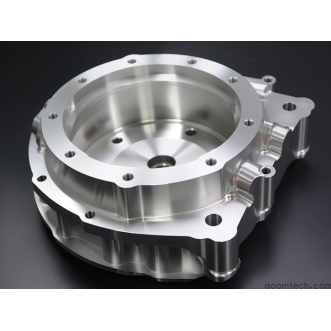
One of the most important precision benefits of CNC machining is its ability to produce parts with extremely tight tolerances. CNC machines follow computer-controlled instructions, which reduces human error and ensures very accurate results.
In industries such as aerospace, precision is critical. For example, a CNC-machined turbine blade must meet exact dimensions to ensure smooth airflow, efficient fuel combustion, and safe engine performance. Even a small error can affect the entire system.
Consistent Precision across Batches
Once a CNC program is created, it can be used repeatedly to produce identical parts. This ensures every item in a production batch has the same size and quality.
For example, in automotive manufacturing, thousands of engine components can be produced with identical dimensions. This consistency reduces assembly problems, improves performance, and ensures that parts are fully interchangeable.
Efficiency Advantages of CNC Machining
Automated and Continuous Operation
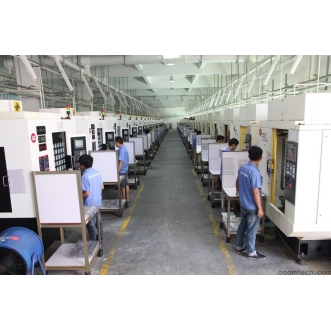
The efficiency advantages of CNC machining are clear in its ability to run automatically for long periods. Once the program is set, machines can operate with minimal human supervision.
For example, in a factory producing furniture parts, CNC machines can run overnight to cut and shape materials. This increases production output without increasing labor costs or working hours.
Reduced Setup and Changeover Times
CNC machining allows fast switching between different product designs. Instead of manually adjusting machines, operators only need to load a new program.
For instance, an electronics manufacturer can quickly change from producing one type of device casing to another. This flexibility helps companies respond faster to market demands and customer needs.
Versatility Advantages of CNC Machining
Complex Geometry Machining
The versatility advantages of CNC machining include its ability to produce complex shapes and detailed designs. CNC machines can create parts with intricate curves, internal cavities, and precise surface features.
In the medical field, CNC machining is used to produce custom surgical implants. For example, dental implants can be designed to match natural tooth structures, improving comfort and functionality for patients.
Material Compatibility
CNC machining works with many different materials, including steel, aluminum, titanium, plastics, composites, and wood. This flexibility allows manufacturers to choose the best material for each application.
For example, a product design company may first create a plastic prototype for testing. After final approval, the same design can be produced in metal for long-term durability and strength.
Cost-effectiveness Advantages of CNC Machining
Reduced Labor Costs in the Long Run
Although CNC machines require initial investment, they reduce long-term labor costs. One operator can manage multiple machines, and production becomes highly automated.
For example, a manufacturing company may reduce its dependence on manual machining workers after switching to CNC systems, improving efficiency and lowering overall production costs.
Minimized Material Waste
CNC machines follow precise cutting paths, which helps reduce material waste. This is especially important when working with expensive materials like titanium or gold.
For example, in jewelry manufacturing, CNC machining ensures that precious metals are used efficiently, reducing scrap and increasing profitability.
Conclusion: Leveraging the Advantages of CNC Machining
In summary, the advantages of CNC machining include high precision, strong efficiency, wide material compatibility, complex design capability, and long-term cost savings. These benefits make it a powerful solution for modern manufacturing needs.
When evaluating production methods, understanding the advantages of CNC machining in manufacturing can help businesses improve product quality and reduce operational costs.
Whether you are developing new products or scaling up production, exploring CNC machining solutions can be a smart step toward better performance and competitiveness in today’s global market.
 How to Ensure Precision in CNC
 Small Batch Precision CNC Mach
 What surface finish can CNC ma
 CNC Machining Tolerance Settin