
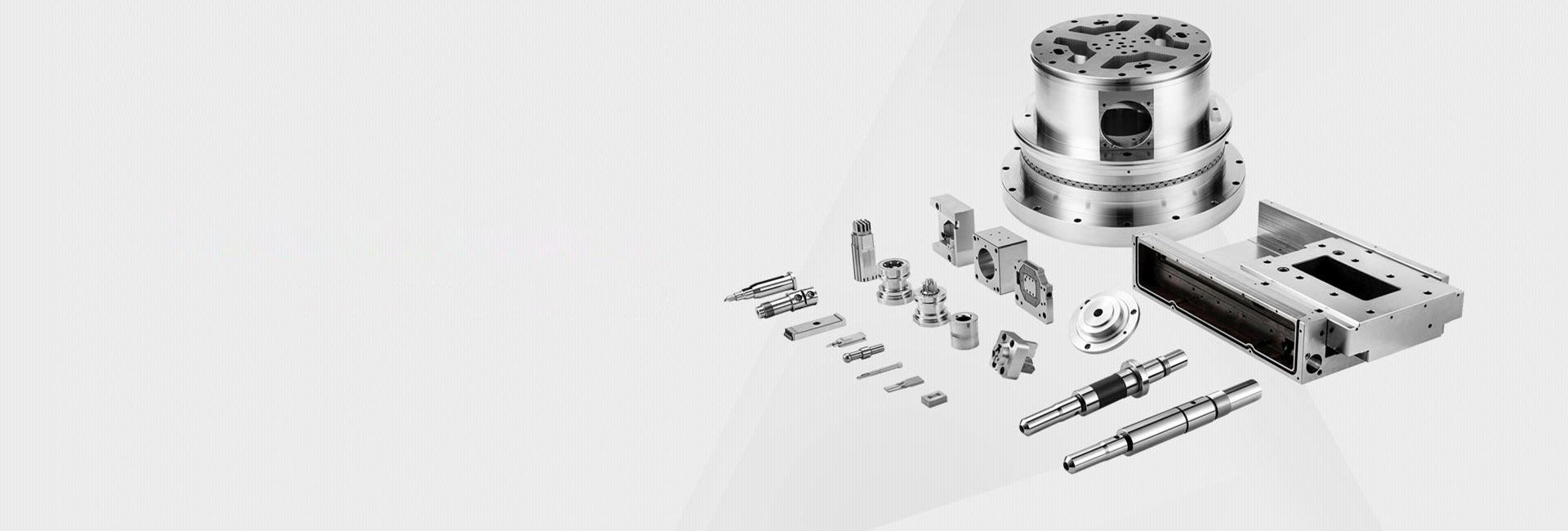
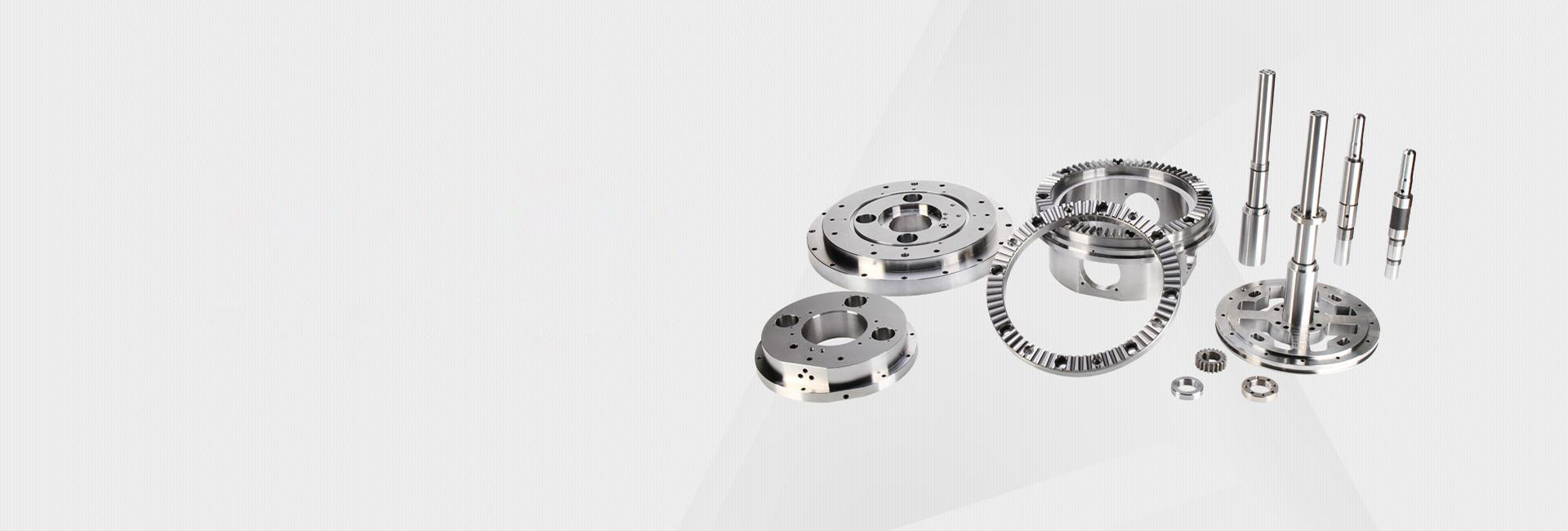
CNC Machining Process for Boiler Parts
CNC Machining Process for Boiler Parts
The CNC Machining Process for Boiler Parts is a highly precise manufacturing method used to produce critical components for boilers in power plants, heating systems, and industrial equipment. These parts must work safely under high pressure and high temperature conditions, so accuracy and quality are extremely important.
This article explains the full process in simple terms, including steps in CNC machining of boiler parts, key production methods, material selection, and how quality is ensured throughout manufacturing.
The Significance of CNC-Machined Boiler Parts
Boiler parts play an important role in energy production, heating systems, and many industrial applications. Examples include boiler tubes, steam drums, headers, flanges, and pressure vessels.
CNC machining provides high precision and repeatability, which helps ensure that each part meets strict safety and performance requirements. Properly machined boiler parts improve:
System safety under high pressure
Energy efficiency
Long service life of boiler systems
Leak prevention and structural stability
Without accurate machining, even small defects can lead to serious operational risks or system failure.
Steps in CNC Machining of Boiler Parts
Design and CAD/CAM Programming
The process begins with detailed engineering design. Engineers use CAD (Computer-Aided Design) software to create a 3D model of the boiler part. The design must consider pressure, temperature, load conditions, and material properties.
Next, CAM (Computer-Aided Manufacturing) software converts the design into machine instructions. These instructions define toolpaths, cutting speed, feed rate, and machining sequence.
For example, in a steam drum design, internal passages and wall thickness must be carefully controlled. CNC programming ensures uniform thickness to withstand high pressure and prevent weak points.
Material Selection and Preparation
Choosing the correct material is critical in boiler manufacturing. Common materials include carbon steel, stainless steel, and alloy steel due to their strength and heat resistance.
Carbon steel: Used for general structural boiler parts
Stainless steel: Used in corrosive or wet steam environments
Alloy steel: Used for high-pressure and high-temperature applications
Before machining, materials are cut to size, inspected, and sometimes heat-treated to improve strength. Harder materials often require slower cutting speeds and stronger tools.
Tooling Selection and Setup
Proper tooling is essential for accurate machining. Tools such as end mills, drills, and turning tools are selected based on the operation and material type.
Incorrect tool setup can cause serious problems. For example, a misaligned drill may create inaccurate holes in a boiler tube sheet, leading to assembly failure or leakage.
Machine Setup and Fixturing
CNC machines must be properly configured with correct speed, feed rate, and cutting depth. Fixturing is used to hold the workpiece securely during machining.
A strong fixture prevents vibration and movement. For large parts like boiler drums, custom fixtures are often used to avoid deformation and ensure dimensional accuracy.
Machining Operations
Milling
Milling is used to create flat surfaces, grooves, and complex shapes. Face milling is used for large surfaces, while end mills are used for detailed pockets and features.
Lower feed rates are often used for finishing to improve surface smoothness and weld quality.
Turning
Turning is used for cylindrical boiler parts such as pipes and shafts. The workpiece rotates while the cutting tool removes material.
Carbide tools are often used for high-strength alloys. Proper control ensures correct roundness and smooth surface finish.
Drilling and Boring
Drilling creates holes for bolts, pipes, and inspection access. Boring improves hole accuracy and size.
Deep holes often require peck drilling to remove chips and prevent tool damage. Accurate hole alignment is critical for proper boiler assembly.
Welding and Assembly Preparation
Machining is also used to prepare parts for welding. Edges may be beveled to ensure strong weld penetration.
Precise machining ensures that mating surfaces fit tightly, reducing leakage risk in high-pressure systems.
Heat Treatment and Surface Finishing
Heat treatment improves mechanical properties such as hardness and toughness. Common processes include annealing, quenching, and tempering.
Surface finishing methods like coating or galvanizing help protect against corrosion, especially in steam or water environments.
Quality Control
Quality control in CNC machining of boiler parts ensures that every component meets strict industry standards.
Inspection methods include:
Dimensional checks using calipers and micrometers
Coordinate Measuring Machine (CMM) inspection
Ultrasonic testing for internal defects
Radiographic and magnetic particle inspection
These checks ensure that no cracks, voids, or dimensional errors exist before the part is used in a boiler system.
Key Considerations in CNC Boiler Part Machining
Accuracy and Precision
High precision is essential because even small dimensional errors can cause leaks or pressure failure. CNC machining ensures repeatability and tight tolerances for all critical parts.
The key considerations in CNC boiler part machining include maintaining correct wall thickness, hole alignment, and surface finish quality.
Material Compatibility and Performance
The material must match operating conditions such as temperature, pressure, and corrosion exposure. Improper material selection or machining conditions may weaken performance.
Proper cutting fluids and tool selection help prevent overheating and material damage during machining.
Compliance with Standards
Boiler parts must follow strict standards such as ASME Boiler and Pressure Vessel Code or EN standards. These regulations ensure safety, reliability, and global compatibility.
Manufacturers often undergo audits and inspections to confirm compliance.
Quality Control in CNC Machining of Boiler Parts
In-Process Inspection
During machining, continuous inspection helps detect errors early. Tools like optical comparators and sensors monitor tool wear and part dimensions.
This reduces waste and prevents large-scale production of defective parts.
Final Inspection and Testing
After machining is complete, final inspection ensures full compliance with specifications. This includes dimensional measurement, surface evaluation, and non-destructive testing.
A part that fails inspection is rejected to prevent safety risks in boiler operation.
Conclusion: Mastering the CNC Machining Process for Boiler Parts
The CNC Machining Process for Boiler Parts involves careful planning, precise machining, strict material control, and thorough quality inspection. Each step plays an important role in ensuring safety and performance in demanding industrial environments.
By understanding steps in CNC machining of boiler parts, manufacturers can improve efficiency and reduce errors. Paying attention to key considerations in CNC boiler part machining and applying strong quality control in CNC machining of boiler parts helps ensure reliable, long-lasting boiler systems.
In modern industry, precision is not optional—it is essential for safety and performance.
 How to Ensure Precision in CNC
 Small Batch Precision CNC Mach
 What surface finish can CNC ma
 CNC Machining Tolerance Settin