


How to ensure the precision of CNC machining for parts
How to ensure the precision of CNC machining for parts
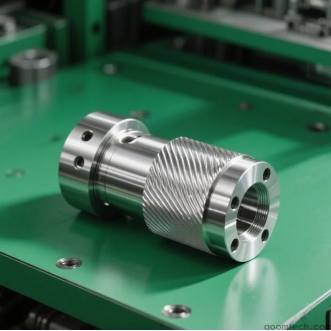
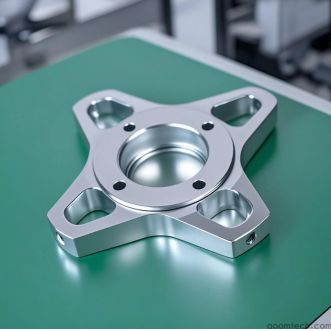
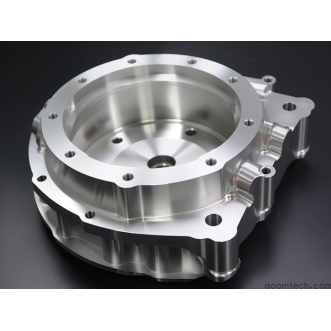
Precision is one of the most important goals in modern manufacturing. How to ensure the precision of CNC machining for parts is a key question for engineers, operators, and companies that produce components for industries such as aerospace, automotive, electronics, and medical devices. Even very small errors in size or shape can lead to product failure, safety risks, or high production costs.
This article explains practical and real-world methods to improve accuracy in CNC (Computer Numerical Control) machining. It covers machine selection, programming, tooling, material handling, and quality control in simple and clear language.
The Importance of Precision in CNC Machined Parts
Precision means making parts exactly according to design measurements with very small allowable error. In CNC machining, precision ensures that parts fit together correctly and function as expected.
For example, in the aerospace industry, a small dimensional error in a turbine part can reduce engine performance or even create safety risks. In the medical field, an incorrectly sized implant may cause discomfort or complications for the patient. Even in everyday products like smartphones or cars, poor precision can lead to malfunction or reduced product life.
This is why manufacturers focus heavily on improving accuracy at every stage of production.
Machine Selection for Precision CNC Machining
Machine Accuracy and Tolerance
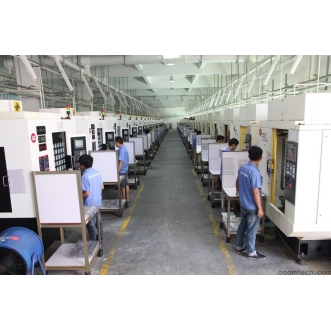
One of the first steps in achieving precision is selecting the right CNC machine. Machines have different levels of accuracy and tolerance. High-precision machines often support tolerances like ±0.01mm or better.
To improve accuracy, look for machines with:
High-quality ball screws for smooth movement
Precision linear guides to reduce positioning errors
Strong servo motors for stable control
When comparing machines, always check technical specifications provided by manufacturers and look for real-world performance reviews from users.
Stability and Rigidity
Machine stability is another critical factor. A rigid machine reduces vibration during cutting, which helps maintain accurate tool paths.
Important stability factors include:
Machine frame material (cast iron is often more stable than lightweight welded frames)
Base design and weight distribution
Secure assembly of moving parts
A stable CNC machine ensures that cutting tools follow the programmed path without unwanted movement.
Programming for Precision in CNC Parts Machining
Accurate CAD/CAM Design
Programming is the digital foundation of machining accuracy. It begins with CAD (Computer-Aided Design), where engineers create a precise 3D model of the part.
If the CAD model contains errors, those errors will appear in the final product. Therefore, careful design is essential.
Next, CAM (Computer-Aided Manufacturing) software converts the design into toolpaths and machine instructions. Good CAM programming helps:
Optimize tool movement
Avoid sudden direction changes
Reduce cutting stress and vibration
Parameter Optimization
Correct machining parameters directly affect precision. Key settings include spindle speed, feed rate, and depth of cut.
For example:
Too high spindle speed can cause overheating and tool wear
Too low feed rate may increase friction and reduce efficiency
Incorrect depth of cut can cause deflection or surface errors
Successful manufacturers adjust these settings based on material type, tool condition, and part complexity. This is a core part of programming for precision in CNC parts machining.
Tooling for Precision CNC Machining
Quality Cutting Tools
Cutting tools play a major role in final part accuracy. High-quality tools made from carbide or high-speed steel maintain sharpness longer and produce cleaner cuts.
Common tool types include:
End mills for shaping and milling
Drills for making holes
Turning tools for lathe operations
Using low-quality or worn tools can cause poor surface finish, incorrect dimensions, and tool breakage.
Tool Calibration and Maintenance
Even the best tools wear out over time. Regular inspection and calibration are necessary to maintain precision.
A good tool management system should include:
Tracking tool usage time
Scheduled sharpening or replacement
Measurement checks before machining
Ignoring tool maintenance often leads to gradual loss of accuracy without being noticed immediately.
Material Handling for Precision CNC Machining
Material Selection
Different materials behave differently during machining. Hard materials may increase tool wear, while soft materials may deform easily.
When selecting materials, consider:
Hardness and strength requirements
Thermal expansion behavior
Machinability rating
Cost and availability
Choosing the right material helps maintain stable and repeatable precision.
Material Preparation
Before machining, raw materials must be properly prepared. This step is often overlooked but is very important for accuracy.
Common preparation steps include:
Removing surface defects or rust
Flattening warped materials
Heat treatment (such as annealing) to reduce hardness
If the material is not stable, the machining process cannot produce precise results, no matter how advanced the machine is.
Quality Control for Precision CNC Machined Parts
In-Process Inspection
Quality control should begin during machining, not after production is complete. In-process inspection helps detect errors early.
Common tools used include:
Calipers for quick measurements
Micrometers for high accuracy checks
Surface roughness testers for finish quality
If a deviation is found, operators can immediately adjust machine settings to correct the issue.
Final Inspection
After machining is complete, a final inspection ensures the part meets design requirements.
Advanced tools like Coordinate Measuring Machines (CMM) are often used to measure complex geometries with high precision.
Key inspection factors include:
Dimensional accuracy
Surface finish quality
Shape and position tolerances
Parts that fail inspection are either reworked or rejected depending on severity.
This stage represents the core of quality control for precision CNC - machined parts.
Conclusion: Achieving High Precision in CNC Machining
Achieving high accuracy in CNC manufacturing requires attention to every detail of the process. From machine selection and programming to tooling, material preparation, and final inspection, each step contributes to the final result.
To summarize:
Choose stable and accurate machines
Use precise CAD/CAM programming methods
Maintain high-quality cutting tools
Prepare materials properly before machining
Apply strict quality control at every stage
In real production environments, precision is not achieved by a single factor. It is the result of continuous improvement, careful monitoring, and skilled operation. By following these practices, manufacturers can consistently produce high-quality parts that meet strict industrial standards.
 How to Ensure Precision in CNC
 Small Batch Precision CNC Mach
 What surface finish can CNC ma
 CNC Machining Tolerance Settin