


CNC Machining Steel Parts Process
CNC Machining Steel Parts Process
The CNC Machining Steel Parts Process is a modern manufacturing method used to create precise and durable steel components. CNC stands for Computer Numerical Control, which means machines are controlled by computer programs instead of manual operation. This process is widely used in industries like automotive, construction, aerospace, and general manufacturing because steel parts need high accuracy, strength, and repeatability.
In simple terms, CNC machining helps turn raw steel blocks or bars into finished parts such as engine components, machine frames, shafts, gears, and structural fittings. It improves both quality and production efficiency while reducing human error.
The Significance of CNC Machining Steel Parts
Steel is one of the most important engineering materials in the world. It is strong, durable, and suitable for many demanding applications. However, steel is also hard to shape with traditional tools. This is where CNC machining becomes essential.
Using CNC technology ensures that steel parts meet strict dimensional and performance requirements. For example, in cars, engine parts must fit perfectly to avoid vibration and failure. In buildings, steel connectors must handle heavy loads safely. CNC machining provides the precision needed for these critical applications.
Overall, the CNC Machining Steel Parts Process supports modern industries by producing reliable and consistent components at scale.
The Step-by-Step CNC Machining Process for Steel Parts
Design Phase
The process begins with product design. Engineers create a 3D model using Computer-Aided Design (CAD) software. The design defines the shape, size, and function of the steel part.
During this stage, engineers consider how the part will perform under stress, heat, and movement. For example, a steel gear used in heavy machinery must withstand high torque without breaking. A well-designed model is essential because it becomes the foundation of the entire machining process.
CNC Programming
After the design is completed, it is converted into a machining program using Computer-Aided Manufacturing (CAM) software. This program tells the CNC machine exactly how to cut the steel.
The program includes toolpaths, cutting speeds, feed rates, and cutting depth. Incorrect programming can lead to poor accuracy or tool damage. Therefore, careful optimization is important, especially when working with different types of steel.
Machine Setup and Tooling
Before machining starts, the CNC machine must be properly set up. This includes selecting cutting tools such as carbide end mills, drills, or boring tools, depending on the job.
Fixtures are used to hold the steel workpiece firmly in place. The machine settings, such as spindle speed and feed rate, are adjusted according to the material and program requirements. Proper setup ensures safety, accuracy, and efficiency.
Machining Operations
Milling
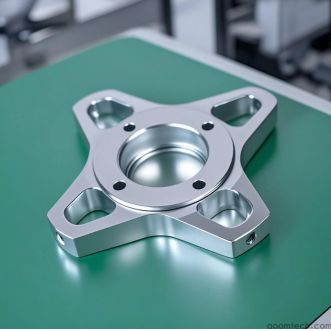
Milling is used to remove material from steel using a rotating cutting tool. It can create flat surfaces, slots, holes, and complex shapes.
Tool selection is important. Harder steel often requires carbide tools and slower cutting speeds to reduce wear. Correct adjustment of spindle speed and feed rate helps maintain accuracy and surface quality.
Turning
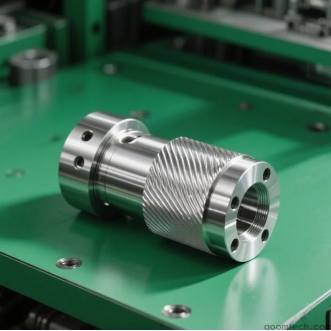
Turning is used for cylindrical steel parts such as shafts and rods. In this process, the workpiece rotates while the cutting tool removes material.
To ensure smooth rotation and precision, tool alignment and stable cutting conditions are necessary. This is especially important for parts used in engines or rotating machinery.
Drilling and Boring
Drilling creates holes in steel parts, while boring is used to enlarge or refine these holes to precise dimensions.
Tool selection depends on steel hardness. Proper control of speed and feed ensures accurate hole placement, which is important for assembly and mechanical function.
Material Considerations in Steel Part CNC Machining
Types of Steel
Different types of steel are used depending on application requirements:
Carbon steel: Common and cost-effective, used for general-purpose parts.
Alloy steel: Contains elements like chromium or nickel for higher strength and hardness.
Stainless steel: Resistant to corrosion, ideal for medical, food, and outdoor applications.
Choosing the right material is a key part of the material considerations in steel part CNC machining, as it directly affects performance and machining difficulty.
Heat Treatment
Heat treatment improves the physical properties of steel. It can make steel harder, stronger, or easier to machine.
Annealing: Softens steel to improve machinability.
Quenching: Rapid cooling to increase hardness.
Tempering: Reduces brittleness after quenching.
These processes are often used before or after machining depending on the required final properties.
Quality Control of CNC-Machined Steel Parts
In-Process Inspection
Quality control begins during machining. Operators regularly check dimensions, surface finish, and tool wear.
Tools such as calipers, micrometers, and surface roughness testers are used. Early detection of errors helps prevent waste and ensures stable production quality in the CNC Machining Steel Parts Process.
Final Inspection
After machining is complete, the part undergoes final inspection. High-precision instruments like Coordinate Measuring Machines (CMMs) are used to verify accuracy.
This stage checks whether the part meets all design tolerances and surface requirements. If a part does not meet standards, it may be reworked or rejected. This is a key part of quality control of CNC-machined steel parts.
Common Challenges in CNC Machining Steel Parts and Solutions
Tool Wear
Steel is hard and can quickly wear cutting tools. To reduce wear, manufacturers use coated carbide tools and optimize cutting speeds and feed rates.
Heat Generation
Machining steel produces heat, which can affect accuracy and tool life. Coolant systems are commonly used to control temperature and improve stability.
Chip Control
Steel cutting can produce long, stringy chips that interfere with machining. Proper tool geometry and chip-breaking techniques help manage chip formation effectively.
Conclusion: Mastering the CNC Machining Steel Parts Process
The CNC Machining Steel Parts Process is a precise and efficient method for producing high-quality steel components used in many industries. From design and programming to machining, material selection, and quality control, each step plays an important role in the final result.
Understanding the CNC machining process steps for steel parts helps manufacturers improve efficiency and reduce errors. Paying attention to materials, tool selection, and inspection methods ensures consistent quality and long-term performance.
In practice, success depends on continuous improvement, skilled operators, and proper use of modern CNC technology. By mastering each stage, manufacturers can produce reliable steel parts that meet global industry standards.
CNC Machining Steel Parts Process
The CNC Machining Steel Parts Process is a modern manufacturing method used to create precise and durable steel components. CNC stands for Computer Numerical Control, which means machines are controlled by computer programs instead of manual operation. This process is widely used in industries like automotive, construction, aerospace, and general manufacturing because steel parts need high accuracy, strength, and repeatability.
In simple terms, CNC machining helps turn raw steel blocks or bars into finished parts such as engine components, machine frames, shafts, gears, and structural fittings. It improves both quality and production efficiency while reducing human error.
The Significance of CNC Machining Steel Parts
Steel is one of the most important engineering materials in the world. It is strong, durable, and suitable for many demanding applications. However, steel is also hard to shape with traditional tools. This is where CNC machining becomes essential.
Using CNC technology ensures that steel parts meet strict dimensional and performance requirements. For example, in cars, engine parts must fit perfectly to avoid vibration and failure. In buildings, steel connectors must handle heavy loads safely. CNC machining provides the precision needed for these critical applications.
Overall, the CNC Machining Steel Parts Process supports modern industries by producing reliable and consistent components at scale.
The Step-by-Step CNC Machining Process for Steel Parts
Design Phase
The process begins with product design. Engineers create a 3D model using Computer-Aided Design (CAD) software. The design defines the shape, size, and function of the steel part.
During this stage, engineers consider how the part will perform under stress, heat, and movement. For example, a steel gear used in heavy machinery must withstand high torque without breaking. A well-designed model is essential because it becomes the foundation of the entire machining process.
CNC Programming
After the design is completed, it is converted into a machining program using Computer-Aided Manufacturing (CAM) software. This program tells the CNC machine exactly how to cut the steel.
The program includes toolpaths, cutting speeds, feed rates, and cutting depth. Incorrect programming can lead to poor accuracy or tool damage. Therefore, careful optimization is important, especially when working with different types of steel.
Machine Setup and Tooling
Before machining starts, the CNC machine must be properly set up. This includes selecting cutting tools such as carbide end mills, drills, or boring tools, depending on the job.
Fixtures are used to hold the steel workpiece firmly in place. The machine settings, such as spindle speed and feed rate, are adjusted according to the material and program requirements. Proper setup ensures safety, accuracy, and efficiency.
Machining Operations
Milling
Milling is used to remove material from steel using a rotating cutting tool. It can create flat surfaces, slots, holes, and complex shapes.
Tool selection is important. Harder steel often requires carbide tools and slower cutting speeds to reduce wear. Correct adjustment of spindle speed and feed rate helps maintain accuracy and surface quality.
Turning
Turning is used for cylindrical steel parts such as shafts and rods. In this process, the workpiece rotates while the cutting tool removes material.
To ensure smooth rotation and precision, tool alignment and stable cutting conditions are necessary. This is especially important for parts used in engines or rotating machinery.
Drilling and Boring
Drilling creates holes in steel parts, while boring is used to enlarge or refine these holes to precise dimensions.
Tool selection depends on steel hardness. Proper control of speed and feed ensures accurate hole placement, which is important for assembly and mechanical function.
Material Considerations in Steel Part CNC Machining
Types of Steel
Different types of steel are used depending on application requirements:
Carbon steel: Common and cost-effective, used for general-purpose parts.
Alloy steel: Contains elements like chromium or nickel for higher strength and hardness.
Stainless steel: Resistant to corrosion, ideal for medical, food, and outdoor applications.
Choosing the right material is a key part of the material considerations in steel part CNC machining, as it directly affects performance and machining difficulty.
Heat Treatment
Heat treatment improves the physical properties of steel. It can make steel harder, stronger, or easier to machine.
Annealing: Softens steel to improve machinability.
Quenching: Rapid cooling to increase hardness.
Tempering: Reduces brittleness after quenching.
These processes are often used before or after machining depending on the required final properties.
Quality Control of CNC-Machined Steel Parts
In-Process Inspection
Quality control begins during machining. Operators regularly check dimensions, surface finish, and tool wear.
Tools such as calipers, micrometers, and surface roughness testers are used. Early detection of errors helps prevent waste and ensures stable production quality in the CNC Machining Steel Parts Process.
Final Inspection
After machining is complete, the part undergoes final inspection. High-precision instruments like Coordinate Measuring Machines (CMMs) are used to verify accuracy.
This stage checks whether the part meets all design tolerances and surface requirements. If a part does not meet standards, it may be reworked or rejected. This is a key part of quality control of CNC-machined steel parts.
Common Challenges in CNC Machining Steel Parts and Solutions
Tool Wear
Steel is hard and can quickly wear cutting tools. To reduce wear, manufacturers use coated carbide tools and optimize cutting speeds and feed rates.
Heat Generation
Machining steel produces heat, which can affect accuracy and tool life. Coolant systems are commonly used to control temperature and improve stability.
Chip Control
Steel cutting can produce long, stringy chips that interfere with machining. Proper tool geometry and chip-breaking techniques help manage chip formation effectively.
Conclusion: Mastering the CNC Machining Steel Parts Process
The CNC Machining Steel Parts Process is a precise and efficient method for producing high-quality steel components used in many industries. From design and programming to machining, material selection, and quality control, each step plays an important role in the final result.
Understanding the CNC machining process steps for steel parts helps manufacturers improve efficiency and reduce errors. Paying attention to materials, tool selection, and inspection methods ensures consistent quality and long-term performance.
In practice, success depends on continuous improvement, skilled operators, and proper use of modern CNC technology. By mastering each stage, manufacturers can produce reliable steel parts that meet global industry standards.
 How to Ensure Precision in CNC
 Small Batch Precision CNC Mach
 What surface finish can CNC ma
 CNC Machining Tolerance Settin