


Which supplier offers reliable CNC machining services
Which Supplier Offers Reliable CNC Machining Services
Choosing which supplier offers reliable CNC machining services is a critical decision for companies that depend on precision parts and consistent manufacturing quality. CNC (Computer Numerical Control) machining is widely used in industries such as automotive, aerospace, medical devices, electronics, and industrial equipment. A reliable supplier ensures not only accurate components but also stable production schedules, cost control, and long-term manufacturing consistency.
In real-world applications, even a small machining error can lead to product failure. For example, in the automotive industry, engine components must meet extremely tight tolerances. A reliable CNC machining supplier helps ensure that every part fits and functions correctly, improving safety, durability, and performance.
The Significance of Reliable CNC Machining Suppliers
Reliable CNC machining suppliers play a foundational role in modern manufacturing. They are responsible for turning digital designs into precise physical components using advanced machining systems. When suppliers are dependable, businesses benefit from:
Consistent product quality across large production batches
Reduced production delays and supply chain disruptions
Lower defect rates and reduced rework costs
Better product performance and customer satisfaction
Without a reliable supplier, manufacturers risk delays, inconsistent parts, and increased operational costs.
Evaluation Criteria for Reliable CNC Machining Suppliers
Experience and Expertise
One of the most important evaluation criteria for reliable CNC machining suppliers is industry experience. Suppliers with many years in CNC machining are more likely to understand complex tolerances, material behavior, and industry-specific requirements.
For example, a supplier experienced in aerospace machining will be familiar with strict safety standards and precision requirements, while a medical device supplier will prioritize biocompatible materials and micro-level accuracy.
Equipment and Technology
A reliable CNC supplier invests in modern machinery such as:
5-axis CNC machining centers for complex geometries
High-speed machining systems for improved efficiency
Coordinate Measuring Machines (CMMs) for precision inspection
Advanced CAD/CAM software for optimized production planning
Up-to-date equipment directly affects part accuracy, surface finish, and production efficiency.
Quality Control Measures
Strong quality control is essential in CNC machining. Reliable suppliers implement inspection processes at every stage, including raw material checks, in-process inspection, and final quality testing.
Common quality standards include ISO 9001 certification, which demonstrates a structured quality management system. Additional controls may include statistical sampling, dimensional verification, and strict handling of non-conforming parts.
Production Capacity and Lead Time
A dependable supplier must be able to handle your required volume without compromising quality. Businesses should evaluate whether the supplier can scale production during high-demand periods.
Delayed production can disrupt entire supply chains, especially in industries like automotive and consumer electronics where timing is critical.
Customer Service and Communication
Clear communication is a key indicator of reliability. Good suppliers provide regular production updates, respond quickly to technical questions, and proactively communicate potential delays.
Dedicated account managers or support teams often indicate a more professional and organized operation.
Reputation and References
A supplier’s reputation reflects long-term performance. Checking client references, case studies, and independent reviews can help verify reliability.
Consistent positive feedback from other manufacturers is often one of the strongest indicators of trustworthiness.
Case Studies of Reliable CNC Machining Service Providers
Case Study 1: Precision Industrial Components Supplier
This supplier specializes in high-precision CNC machining for aerospace and automotive industries. With over 15 years of experience, they operate advanced 5-axis machining centers and maintain strict ISO 9001 certification.
Their strength lies in producing complex geometries with tight tolerances. They use real-time quality monitoring systems to reduce defects and ensure consistency across large production runs. Their ability to handle both prototype and mass production makes them a dependable partner for long-term projects.
Case Study 2: Rapid Manufacturing CNC Supplier
This supplier focuses on fast-turnaround CNC machining for small and medium batch orders. While they may not specialize in ultra-large-scale production, they excel in speed, flexibility, and prototyping services.
Compared to the first supplier, this provider is more suitable for startups and product development teams that require quick iterations. Their digital quoting system and automated production workflow help reduce lead times significantly.
How to Verify the Reliability of CNC Machining Suppliers
Request for Quotes and Technical Information
One of the first steps in verifying the reliability of CNC machining suppliers is sending detailed RFQs (Request for Quotes). Include drawings, material requirements, tolerances, quantities, and deadlines.
Evaluate how accurately and quickly the supplier responds. A professional supplier will provide clear breakdowns of cost, lead time, and manufacturing approach.
Factory Visits or Virtual Tours
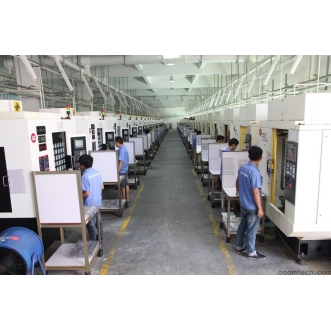
Visiting a supplier’s facility gives direct insight into their equipment, workflow, and workforce capability. If travel is not possible, request a virtual tour or video demonstration.
This step helps confirm whether the supplier’s stated capabilities match their actual operations.
Check Certifications and Compliance
Certifications are an important trust signal. Look for standards such as:
ISO 9001 (Quality Management)
ISO 14001 (Environmental Management)
AS9100 (Aerospace Quality Standards)
These certifications demonstrate that the supplier follows internationally recognized quality systems.
Potential Challenges in Selecting CNC Machining Suppliers
Hidden Costs
Some suppliers may not include all costs in initial quotes. Additional fees may include tooling, setup, or design modifications. Always request a full cost breakdown before confirming an order.
Intellectual Property Risks
Protecting design files is essential. Businesses should use non-disclosure agreements (NDAs) and work with suppliers that have strong data security practices.
Delivery Delays
Production delays can disrupt entire supply chains. To reduce risks, define clear delivery timelines in contracts and maintain regular communication with the supplier.
Conclusion: Choosing the Right CNC Machining Partner
Selecting which supplier offers reliable CNC machining services requires careful evaluation of experience, technology, quality control, production capacity, and communication. There is no single “best” supplier for every situation—different suppliers serve different needs, from rapid prototyping to large-scale industrial production.
Key takeaways include:
Always evaluate suppliers based on proven experience and technical capability
Verify certifications and quality control systems
Compare multiple suppliers before making a decision
Maintain ongoing performance reviews after selection
By following a structured selection process and applying the evaluation criteria for reliable CNC machining suppliers, businesses can significantly reduce risk and build long-term manufacturing partnerships that support growth and product quality.
 How to Ensure Precision in CNC
 Small Batch Precision CNC Mach
 What surface finish can CNC ma
 CNC Machining Tolerance Settin