


Which manufacturer is better for CNC machining of aluminum parts
Which Manufacturer is Better for CNC Machining of Aluminum Parts
Choosing the right partner for CNC machining of aluminum parts is one of the most important decisions in modern manufacturing. Whether you work in automotive, aerospace, electronics, or medical industries, the manufacturer you select will directly affect product quality, cost efficiency, and delivery performance.
This article explains in simple language how to evaluate suppliers and answers a key question: Which manufacturer is better for CNC machining of aluminum parts. It also includes practical guidance, real examples, and comparison methods to help you make a confident decision.
The Importance of Selecting the Right Manufacturer
The manufacturer you choose determines the success of your aluminum CNC parts. A good supplier ensures high precision, smooth surface finish, and consistent quality. A poor choice may lead to serious problems such as incorrect dimensions, weak material performance, or delayed shipments.
For example, in the automotive industry, a small dimensional error in aluminum engine parts can cause assembly failure. In aerospace, poor machining quality can lead to safety risks and costly redesigns. This shows why selecting the right manufacturer is not just about price—it is about reliability and long-term performance.
Factors to Consider When Choosing a Manufacturer
Experience and Expertise
One of the most important factors to choose CNC aluminum part manufacturer is experience. Manufacturers with many years in CNC machining understand different aluminum alloys such as 6061, 7075, and 5052. They also know how to adjust machining strategies for strength, weight, and surface requirements.
For example, a manufacturer experienced in medical device parts will understand strict precision standards and clean production requirements. This kind of expertise reduces risk and improves product reliability.
Equipment and Technology
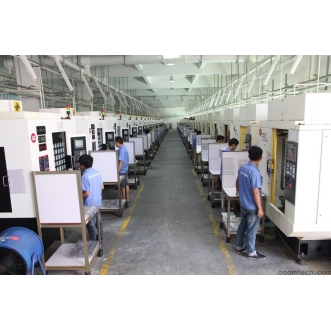
Modern equipment is essential for high-quality CNC machining. A strong manufacturer should use advanced CNC systems such as:
3-axis and 5-axis CNC machining centers
High-speed milling machines
Advanced CAD/CAM programming software
Precision tooling systems
For complex aluminum parts, 5-axis machines are especially important because they allow multi-angle machining in a single setup. This improves accuracy and reduces production time.
Quality Control
A reliable manufacturer must have strict quality control systems. This includes raw material inspection, in-process measurement, and final inspection.
Common tools include Coordinate Measuring Machines (CMM), surface testers, and digital calipers. Good manufacturers also maintain inspection reports and traceability records for every batch.
Cost-effectiveness
Cost is important, but it should not be the only factor. A low-cost supplier may reduce quality or miss deadlines. Instead, look for balanced pricing based on material, complexity, and production volume.
When comparing quotes, always request a detailed breakdown. This helps you understand machining time, material cost, finishing cost, and shipping fees.
Delivery Time and Flexibility
Fast and reliable delivery is critical in industries with tight production schedules. A good manufacturer should clearly communicate lead times and be able to handle urgent orders when needed.
Flexibility is also important. If your design changes, the manufacturer should quickly adapt without major delays or cost increases.
Characteristics of Good Aluminum Part Manufacturers
Skilled Workforce
Strong manufacturers rely on trained CNC programmers, machine operators, and quality inspectors. Skilled staff can optimize machining paths, reduce waste, and improve surface finish quality.
For example, an experienced programmer can reduce machining time by improving tool paths, which lowers overall production cost while maintaining precision.
Good Reputation
Reputation reflects real performance. A manufacturer with strong reviews and long-term clients is usually more reliable. You can check customer feedback, industry forums, and case studies to evaluate their performance.
A good reputation often indicates consistent quality, stable delivery times, and strong customer support.
Case Studies of Well-known Manufacturers
Case Study 1: Protolabs
Protolabs is a global digital manufacturing company known for fast CNC machining services. They specialize in rapid prototyping and low-volume production of aluminum parts.
Strengths:
Very fast turnaround time
Strong digital quoting system
High precision for prototypes
Weaknesses:
Higher cost compared to traditional manufacturers
Less suitable for large-scale production
Protolabs is ideal for companies that need quick prototypes and early-stage product testing.
Case Study 2: Jabil
Jabil is a large global manufacturing company offering CNC machining and full production services. They work with industries such as automotive, healthcare, and electronics.
Strengths:
Strong mass production capability
Advanced manufacturing systems
Global supply chain support
Weaknesses:
Longer setup time for small projects
Less flexible for very small orders
Jabil is better suited for large-scale production where consistency and volume are key.
How to Make a Comparison and Choose the Best Manufacturer
Create a Comparison Table
One of the best ways to evaluate suppliers is to build a simple comparison table. This helps you clearly see strengths and weaknesses.
Experience
Equipment
Quality control
Cost
Delivery time
For example, one manufacturer may offer excellent quality control but higher cost, while another may provide lower prices but longer lead times. A clear table helps you choose based on your priorities.
Request Quotes and Samples
Always request detailed quotes before making a decision. A good quote should include material cost, machining cost, finishing, and shipping.
It is also important to request samples. By checking real parts, you can evaluate surface finish, dimensional accuracy, and material quality before placing a large order.
Conclusion: Making an Informed Decision
When asking Which manufacturer is better for CNC machining of aluminum parts, there is no single answer. The best choice depends on your project requirements, budget, and production volume.
Understanding the factors to choose CNC aluminum part manufacturer, recognizing the characteristics of good aluminum part manufacturers, and using a structured comparison of CNC aluminum part manufacturers will help you make a smarter decision.
In summary, always focus on experience, technology, quality control, cost balance, and delivery reliability. Maintain clear communication with your manufacturer and regularly evaluate their performance to ensure long-term success.
 How to Ensure Precision in CNC
 Small Batch Precision CNC Mach
 What surface finish can CNC ma
 CNC Machining Tolerance Settin