


CNC Machining Metal Parts Pricing
CNC Machining Metal Parts Pricing
Introduction to CNC Machining Metal Parts Pricing
The Significance of Understanding Pricing
For businesses, engineers, and individual buyers, understanding CNC Machining Metal Parts Pricing is essential before starting any manufacturing project. CNC machining is widely used to produce precise metal components for industries such as automotive, aerospace, electronics, and medical devices. However, pricing is not fixed and can vary greatly depending on many factors.
If buyers do not understand how pricing works, they may face unexpected costs, budget overruns, or missed opportunities when comparing suppliers. On the other hand, having a clear understanding of pricing helps in budgeting correctly, evaluating quotations from different manufacturers, and making smarter sourcing decisions.
This article explains the main cost factors, calculation methods, pricing differences, quantity effects, and optimization strategies in a simple and practical way.
Factors Influencing CNC Machining Metal Parts Pricing
Material Type and Cost
One of the biggest factors influencing CNC Machining Metal Parts Pricing is the material used. Different metals have different base costs and machining characteristics.
For example, aluminum is widely used and relatively affordable, while titanium is much more expensive due to its rarity and excellent strength-to-weight ratio. Steel also varies, with stainless steel generally costing more than carbon steel because of its corrosion resistance.
Material grade and availability also affect pricing. A high-grade stainless steel used for precision medical components will cost more than standard industrial-grade steel because it requires stricter quality control and is harder to source.
For instance, a precision aerospace component made from special stainless steel may cost significantly more than a similar-sized aluminum part due to both material price and machining difficulty.
Machining Complexity
The complexity of a part design plays a major role in CNC Machining Metal Parts Pricing. Simple shapes like flat plates or basic cylinders require less machining time, while complex parts with curves, deep holes, or internal channels require more advanced operations.
Parts with undercuts, thin walls, or multi-axis machining requirements increase machine time and tool usage. This directly increases production cost.
For example, an aerospace-grade structural component with multiple internal cavities and complex geometry may take several hours or even days to machine, significantly increasing its price compared to a simple bracket.
Precision Requirements
Tight tolerance requirements greatly affect pricing. Higher precision means more advanced machines, skilled operators, and additional inspection processes.
For example, a part requiring a tolerance of ±0.01mm for a medical device will cost more than a general mechanical part with a tolerance of ±0.1mm. Achieving high precision often requires slower machining speeds, more tool changes, and careful quality control, all of which increase cost.
Quantity of Parts
The quantity ordered has a strong impact on CNC Machining Metal Parts Pricing. Small batches usually have higher per-unit costs because setup and programming costs are spread across fewer parts.
In contrast, large orders benefit from economies of scale. Once the machine is set up, producing more parts reduces the cost per unit.
For example, producing 10 custom parts may result in a high unit cost, while producing 1,000 identical parts can significantly reduce the cost per piece due to shared setup and optimized production flow.
How to Calculate CNC Machining Metal Parts Price
Material Cost Calculation
Understanding how to calculate CNC Machining Metal Parts Price starts with material cost. This is calculated based on the weight of the raw material required.
The formula is generally:
Material Cost = Part Weight × Material Unit Price + Waste Factor
For example, if a steel part weighs 2 kg and the steel cost is $5 per kg, the base material cost is $10. If we include a 10% waste factor, the total material cost becomes $11.
Labor and Machine-Time Cost
Another key component is machining time. This includes setup time, cutting time, tool changes, and finishing operations.
The formula is:
Labor & Machine Cost = Total Machining Time × Hourly Machine Rate
For example, if a part requires 2 hours of machining and the machine rate is $50 per hour, the cost is $100. If additional setup time is required, that must also be included.
Additional Costs
Additional processes also contribute to pricing, such as:
Tooling and fixture setup
Surface treatments like anodizing or plating
Heat treatment processes
Quality inspection and testing
For example, anodizing an aluminum part for corrosion resistance will add extra cost depending on surface area and finishing requirements.
Pricing Differences in CNC Machining Different Metal Parts
Aluminum Parts
Aluminum parts are generally more cost-effective in CNC Machining Metal Parts Pricing due to good machinability and low material cost. They can be machined quickly, reducing labor time.
However, high-precision aluminum parts or aerospace-grade aluminum alloys can still be expensive due to tighter tolerances and quality requirements.
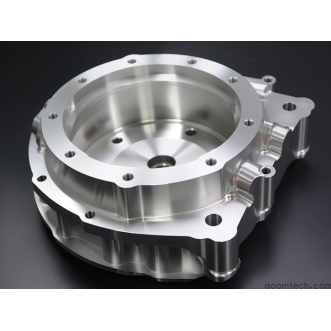
For example, an automotive aluminum bracket is typically affordable, but a precision engine housing made from aerospace aluminum will cost significantly more.
Steel Parts
Steel parts vary widely in cost depending on type. Carbon steel is usually cheaper, while stainless steel is more expensive due to corrosion resistance and hardness.
Harder steel increases tool wear and machining time, which increases cost.
For example, a construction equipment steel frame made from carbon steel is less expensive than a stainless steel medical-grade component with similar dimensions.
Titanium Parts
Titanium parts are among the most expensive in CNC machining. Titanium is strong, lightweight, and corrosion-resistant but difficult to machine.
It requires slower cutting speeds, specialized tools, and more machine time, all of which increase cost.
For example, aerospace titanium components used in aircraft structures are expensive due to strict quality requirements and machining difficulty.
Impact of Quantity on CNC Machining Metal Parts Pricing
Small-Quantity Orders
Small orders typically have higher per-unit costs. This is because setup, programming, and machine preparation costs are fixed but distributed across fewer parts.
For example, ordering 5 custom parts will often result in a much higher per-unit price than ordering 500 parts of the same design.
Large-Quantity Orders
Large orders reduce per-unit cost significantly. Manufacturers can optimize production, reduce downtime, and purchase materials in bulk at lower prices.
This is a key advantage in CNC Machining Metal Parts Pricing, especially for mass production industries like automotive manufacturing.
For example, producing 1,000 identical brackets can reduce cost per part by 30–70% compared to a small batch.
Ways to Optimize CNC Machining Metal Parts Pricing
Design Optimization
Simplifying part design is one of the most effective ways to reduce cost. Reducing unnecessary complexity lowers machining time and tool usage.
For example, replacing deep internal cavities with simpler structures can significantly reduce production cost.
Material Substitution
Choosing alternative materials with similar performance but lower cost can help optimize pricing. However, functionality and durability must not be compromised.
For example, replacing stainless steel with coated carbon steel in non-corrosive environments can reduce costs significantly.
Supplier Negotiation
Negotiating with suppliers is also important. Comparing multiple quotes, building long-term relationships, and discussing bulk discounts can help reduce costs.
Clear communication of technical requirements helps avoid misunderstandings and unnecessary price increases.
Conclusion: Making Informed Decisions on CNC Machining Metal Parts Pricing
Summary and Key Takeaways
Understanding CNC Machining Metal Parts Pricing is essential for making smart manufacturing decisions. Pricing depends on several factors including material type, machining complexity, precision requirements, and order quantity.
Learning factors influencing CNC machining metal parts pricing, understanding how to calculate CNC machining metal parts price, and recognizing pricing differences in CNC machining different metal parts can help buyers avoid unnecessary costs.
Additionally, the impact of quantity on CNC machining metal parts pricing and applying ways to optimize CNC machining metal parts pricing can significantly improve cost efficiency.
By applying these principles, businesses and individuals can better control budgets, choose the right suppliers, and improve overall project success. Start analyzing your own CNC machining projects using these guidelines to make more informed and cost-effective decisions.
 How to Ensure Precision in CNC
 Small Batch Precision CNC Mach
 What surface finish can CNC ma
 CNC Machining Tolerance Settin