


CNC Machining Service for Aluminum Parts
CNC Machining Service for Aluminum Parts
Introduction to CNC Machining Service for Aluminum Parts
A CNC Machining Service for Aluminum Parts is a manufacturing solution that uses computer-controlled machines to produce precise aluminum components. CNC stands for Computer Numerical Control, which means machines follow programmed instructions to cut, shape, and finish metal parts with high accuracy.
Aluminum parts are widely used in industries such as automotive, aerospace, electronics, medical devices, and industrial equipment. This is because aluminum is lightweight, strong for its weight, corrosion-resistant, and has good thermal and electrical conductivity. CNC machining services help turn raw aluminum into highly functional parts that meet strict design requirements and performance needs.
In modern manufacturing, these services play an important role in ensuring product quality, performance, and consistency across different industries.
Benefits of CNC Machining for Aluminum Parts
High Precision Manufacturing
One of the main benefits of CNC machining for aluminum parts is extremely high precision. CNC machines follow digital instructions, allowing them to produce parts with tight tolerances and exact dimensions.
For example, in aerospace applications, aluminum structural components must fit perfectly within aircraft assemblies. Even a small error can affect safety and performance. CNC machining ensures every part meets strict engineering standards with consistent accuracy.
Customization Capabilities
CNC machining allows full customization of aluminum parts. Designers can create unique shapes, sizes, and features based on product requirements. Once the design is ready, CNC machines can reproduce it exactly.
For example, a custom aluminum housing for an electronic device can be produced to match internal components perfectly, ensuring proper protection, cooling, and assembly fit.
Cost-Effectiveness for Medium-to-Large Batches
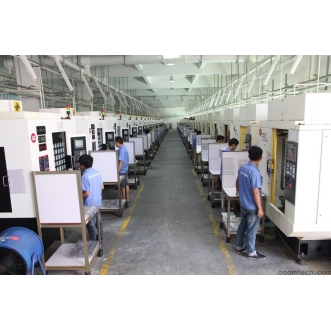
For medium and large production volumes, CNC machining becomes highly cost-effective. Although initial setup and programming take time, the cost per part decreases as production increases.
For example, a manufacturing company producing thousands of aluminum brackets can reduce overall cost by using CNC machining, thanks to reduced waste and efficient production cycles.
Process of CNC Machining Aluminum Parts Service
Design and CAD/CAM Programming
The process of CNC machining aluminum parts service begins with CAD (Computer-Aided Design). Engineers create a 3D model of the part, defining its shape, size, and function.
Next, CAM (Computer-Aided Manufacturing) software converts the design into machine instructions. These instructions include tool paths, cutting speed, and feed rate. For complex aluminum gears, programmers carefully adjust cutting strategies to ensure smooth motion and accurate tooth profiles.
Material Selection and Preparation
Choosing the right aluminum alloy is very important. Different alloys have different strength, hardness, and machinability. Common alloys include 6061 and 7075.
Before machining, the material may be cut into blocks and treated to reduce internal stress. Softer alloys are easier to machine, while stronger alloys may require slower cutting speeds and stronger tools.
Machining Operations
Milling
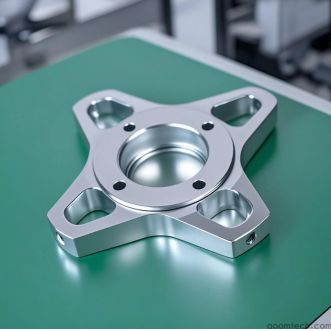
Milling is used to create flat surfaces, pockets, and complex shapes. Carbide tools are commonly used. Proper cutting speed is important to avoid heat buildup and achieve a smooth surface finish.
Turning
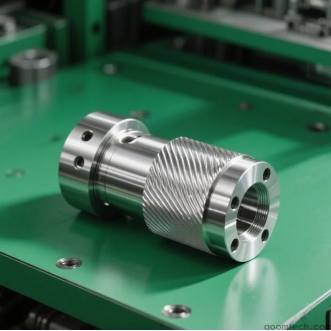
Turning is used for cylindrical aluminum parts. The workpiece rotates while the cutting tool removes material. This process requires precise control to ensure roundness and smooth surface quality.
Drilling
Drilling creates holes in aluminum parts. High-speed drill bits are used with coolant to prevent overheating and improve hole accuracy. Proper feed rate helps avoid burrs and tool damage.
Finishing Operations
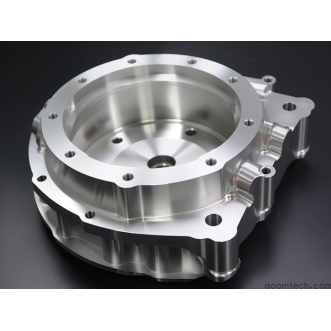
Finishing improves both appearance and performance. Common methods include anodizing, polishing, and heat treatment.
For example, anodized aluminum parts gain better corrosion resistance and a more attractive surface, making them suitable for consumer electronics and outdoor applications.
Challenges in CNC Machining Aluminum Parts Service
Tool Wear and Breakage
Although aluminum is soft, it can still cause tool wear during high-speed machining. Continuous production may reduce tool life due to heat and chip buildup.
For example, a milling cutter used in mass production may need frequent replacement. Proper cooling systems and optimized tool paths help extend tool life.
Heat Generation and Dimensional Changes
Heat generated during machining can cause aluminum to expand slightly, affecting accuracy. This is especially important in high-precision parts.
To reduce this issue, manufacturers use coolant systems, control cutting speeds, and allow parts to stabilize before final measurement.
Surface Finish and Burring
Aluminum can sometimes form burrs or rough surfaces during machining. This affects both appearance and function.
Adjusting cutting parameters and using deburring processes helps achieve a clean and smooth finish.
Choosing a CNC Machining Service Provider for Aluminum Parts
Experience and Expertise
When choosing a CNC machining service provider for aluminum parts, experience is very important. Skilled providers understand how to handle different aluminum alloys and machining challenges.
Experienced engineers can also suggest design improvements that make parts easier and cheaper to manufacture.
Quality Assurance Measures
A reliable provider must have strong quality control systems. This includes in-process inspection, final testing, and the use of precise measuring tools such as CMM machines.
This ensures that every part meets required specifications before delivery.
Cost-Effectiveness and Pricing Transparency
Cost is important, but it should be balanced with quality. A good provider offers clear pricing, including materials, machining time, and finishing costs.
Comparing multiple quotes helps customers find the best balance between price and quality.
Quality Control in CNC Machining Service for Aluminum Parts
Inspection of Dimensions
Quality control in CNC machining service for aluminum parts starts with dimensional inspection. Tools like calipers, micrometers, and CMM machines are used to verify accuracy.
For example, if a shaft diameter is incorrect, it can be detected early and corrected before assembly.
Surface Finish Inspection
Surface quality is checked visually and with measurement tools. Smooth surfaces are important for both appearance and function.
If defects are found, polishing or re-machining is performed.
Mechanical Property Testing
Some aluminum parts require strength and hardness testing. These tests ensure the parts can handle real working conditions.
If a batch fails testing, adjustments in machining or heat treatment are made to improve quality.
Conclusion: Selecting the Right CNC Machining Service for Aluminum Parts
A professional CNC machining service is essential for producing high-quality aluminum parts used in modern industries. From design and material selection to machining and final inspection, each step affects the final result.
Understanding the CNC Machining Service for Aluminum Parts helps businesses and engineers make better decisions when selecting suppliers and designing products.
By considering the benefits of CNC machining for aluminum parts, the process of CNC machining aluminum parts service, common challenges, and proper quality control, you can ensure better performance and cost efficiency.
Careful evaluation of providers and attention to detail will help you achieve reliable and high-quality aluminum components for any application.
 How to Ensure Precision in CNC
 Small Batch Precision CNC Mach
 What surface finish can CNC ma
 CNC Machining Tolerance Settin