


CNC Machining Process for Aluminum Alloy Parts
CNC Machining Process for Aluminum Alloy Parts
The CNC Machining Process for Aluminum Alloy Parts is a modern manufacturing method used to produce precise and high-quality components for many industries. Aluminum alloys are widely used in automotive, aerospace, electronics, and industrial equipment because they are lightweight, strong, corrosion-resistant, and easy to machine.
CNC (Computer Numerical Control) machining uses computer-controlled tools to shape aluminum alloy materials into finished parts. This process improves accuracy, repeatability, and production efficiency. CNC-machined aluminum alloy parts help companies reduce costs, improve product performance, and maintain consistent quality in mass production.
The Significance of CNC Machining for Aluminum Alloy Parts
Precision and Consistency
CNC machining allows manufacturers to produce aluminum alloy parts with very high precision. Because machines follow computer instructions, every cut is accurate and repeatable. This ensures tight tolerances and consistent quality across large production batches.
For example, in aerospace applications, aluminum alloy structural parts must fit perfectly to ensure safety and performance. CNC machining guarantees that each component meets strict dimensional requirements, reducing assembly errors and improving reliability.
Complex Geometry Creation
Another important advantage of CNC machining is its ability to create complex shapes that are difficult or impossible to make manually. Engineers can design detailed structures, and CNC machines can accurately produce them.
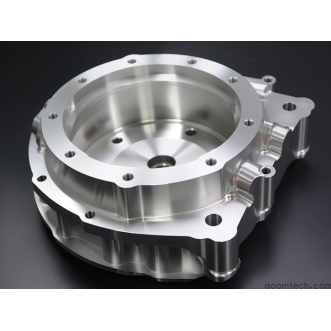
For instance, a custom aluminum alloy housing for an electronic device may include internal channels, curved surfaces, and mounting features. CNC machining makes it possible to manufacture these complex designs with high accuracy and smooth finishes.
Steps in CNC Machining Aluminum Alloy Parts
Design and CAD/CAM Programming
The process begins with CAD (Computer-Aided Design), where engineers create a 3D model of the aluminum alloy part. The design considers function, strength, assembly requirements, and material behavior.
Next, CAM (Computer-Aided Manufacturing) software converts the design into machine instructions. This includes toolpaths, cutting speeds, feed rates, and spindle speeds. For example, when machining a high-precision aluminum alloy gear, programmers must carefully control tool engagement to ensure smooth tooth profiles and avoid deformation.
Material Selection and Preparation
Choosing the right aluminum alloy is essential. Different alloys offer different properties such as strength, hardness, and corrosion resistance. Common alloys include 6061 and 7075.
Before machining, the material may be cut to size and pre-treated. Some alloys may require stress relief to reduce internal tension. The hardness of the alloy directly affects cutting parameters such as speed and tool selection.
Machining Operations
Milling
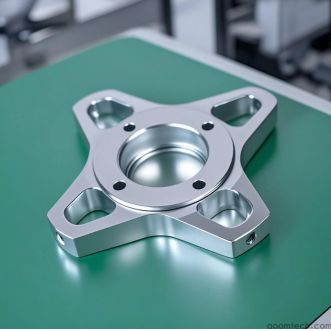
Milling is used to create flat surfaces, slots, and complex 3D shapes. Carbide tools are commonly used for aluminum alloys. Because aluminum is soft, higher cutting speeds are often used to avoid material sticking and improve surface finish. However, heat control is important to prevent deformation.
Turning
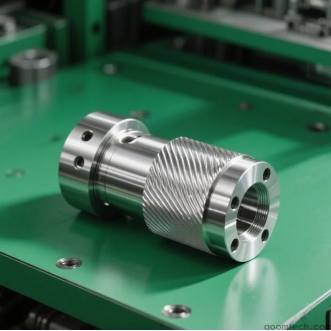
Turning is used for cylindrical aluminum alloy parts. The workpiece rotates while the cutting tool removes material. Proper tool selection and stable machining conditions are important to maintain concentricity and smooth surface finish.
Drilling
Drilling creates precise holes in aluminum alloy parts. High-speed steel or carbide drills are commonly used. Coolant is important to reduce heat and prevent chip buildup. Proper feed control helps avoid burr formation and tool breakage.
Finishing Operations
After machining, finishing processes improve both appearance and performance. Common methods include:
Anodizing for improved corrosion resistance
Polishing for smooth surface finish
Heat treatment for improved mechanical strength
For example, anodized aluminum alloy parts are widely used in consumer electronics because they provide both durability and an attractive surface finish.
Benefits of CNC-Machined Aluminum Alloy Parts
High-Quality Output
CNC machining ensures consistent and high-quality aluminum alloy parts. Each component is produced with controlled accuracy, making them suitable for critical applications such as automotive engines and aerospace assemblies.
Cost-Effectiveness for Medium-to-Large Production
Although setup costs may be higher at the beginning, CNC machining becomes cost-effective for larger production volumes. Reduced waste, efficient cutting, and automation help lower overall manufacturing costs.
Quick Turnaround for Prototyping
CNC machining is ideal for rapid prototyping. Once the design is ready, production can start quickly without the need for complex molds.
For example, companies developing new aluminum alloy parts can receive functional prototypes within days, helping them speed up product development and testing.
Challenges in CNC Machining Aluminum Alloy Parts
Tool Wear and Breakage
Even though aluminum is softer than many metals, tool wear can still occur due to heat, chip buildup, and continuous machining. In large production runs, cutting tools may need frequent replacement, increasing costs.
Using proper coolant and optimized toolpaths can help extend tool life and reduce production interruptions.
Heat Generation and Dimensional Changes
During machining, heat can cause aluminum to expand, leading to dimensional errors. Even small temperature changes can affect precision.
To solve this, manufacturers use coolant systems, control cutting speeds, and allow parts to stabilize before final inspection.
Surface Finish and Burring
Aluminum’s softness can cause burrs and surface smearing if cutting conditions are not optimized. Poor surface finish can affect both appearance and performance.
Adjusting feed rates, improving tool sharpness, and adding deburring steps after machining can significantly improve quality.
Quality Control in CNC Machining of Aluminum Alloy Parts
Inspection of Dimensions
Accurate measurement is essential in ensuring part quality. Tools such as calipers, micrometers, and CMM (Coordinate Measuring Machine) are used to check critical dimensions.
For example, if a CMM detects a dimensional deviation in an aluminum alloy shaft, adjustments can be made before final assembly to prevent product failure.
Surface Finish Inspection
Surface quality affects both function and appearance. Manufacturers use visual inspection and roughness measurement tools to ensure standards are met.
If rough surfaces are detected, polishing or re-machining may be required to achieve the desired finish.
Mechanical Property Testing
Mechanical testing ensures that aluminum alloy parts meet required strength and durability standards. Tests may include hardness, tensile strength, and fatigue resistance.
If a batch fails testing, machining parameters or heat treatment processes may be adjusted to improve performance.
Conclusion: Mastering CNC Machining for Aluminum Alloy Parts
The CNC Machining Process for Aluminum Alloy Parts plays a critical role in modern manufacturing. It provides high precision, flexibility, and efficiency for producing components used in many industries.
By understanding the significance of CNC machining for aluminum alloy parts, following the correct steps in CNC machining aluminum alloy parts, and applying proper quality control in CNC machining of aluminum alloy parts, manufacturers can achieve reliable and high-performance products.
Despite challenges such as tool wear, heat effects, and surface finishing issues, these can be effectively managed through proper process control and experience.
In summary, CNC machining remains one of the most effective methods for producing high-quality aluminum alloy components. Companies that master this process can improve efficiency, reduce costs, and deliver better products to the market.
 How to Ensure Precision in CNC
 Small Batch Precision CNC Mach
 What surface finish can CNC ma
 CNC Machining Tolerance Settin