


CNC Machining of Aluminum Parts: How to Choose the Right Supplier
CNC Machining of Aluminum Parts: How to Choose the Right Supplier
Choosing the right partner for manufacturing is one of the most important decisions in any engineering or production project. When it comes to CNC Machining of Aluminum Parts: How to Choose the Right Supplier, the supplier you select can directly affect product quality, cost, delivery time, and overall project success.
Aluminum parts are widely used in industries such as automotive, aerospace, electronics, medical devices, and industrial equipment. This is because aluminum is lightweight, strong for its weight, corrosion-resistant, and easy to machine. However, these benefits can only be fully achieved when the machining process is handled by a skilled and reliable supplier.
A strong supplier ensures high-quality parts, stable production, and on-time delivery. A poor supplier may cause delays, defects, and hidden costs that affect your entire project.
The Significance of Selecting the Right Supplier for CNC-Machined Aluminum Parts
The success of your product often depends on the quality of its components. Aluminum CNC parts must meet precise dimensions and performance requirements. A professional supplier helps ensure consistency, accuracy, and cost control throughout production.
In many real-world projects, companies that carefully choose suppliers experience fewer production problems and lower long-term costs. This is why supplier selection is not just a purchasing decision—it is a strategic business decision.
Factors in Choosing a CNC Aluminum Parts Supplier
Experience and Expertise
Experience is one of the most important factors in choosing a CNC aluminum parts supplier. A supplier with many years in CNC machining understands how aluminum behaves during cutting, drilling, and finishing processes. They can reduce errors and improve efficiency.
For example, in aerospace manufacturing, suppliers with deep experience have successfully produced complex aluminum brackets and structural parts with tight tolerances. Their knowledge helps prevent deformation and surface defects.
You can evaluate experience by checking:
Years in CNC machining business
Types of aluminum projects completed
Industries served (automotive, aerospace, electronics, etc.)
Range of Services Offered
A reliable supplier should offer a complete set of services for CNC machining of aluminum parts. This may include milling, turning, drilling, surface finishing, and anodizing.
When one supplier can complete all steps, communication becomes easier and production is more stable. For example, a single supplier handling both machining and anodizing can reduce delays and improve part consistency.
This “one-stop service” approach also simplifies project management and reduces coordination errors between multiple vendors.
Quality Control Measures
Strong quality control is essential for reliable production. A good supplier should have strict inspection systems at every stage of manufacturing.
Modern suppliers often use advanced measuring tools such as a Coordinate Measuring Machine (CMM) to ensure accuracy. Visual checks and surface testing are also common.
Some suppliers follow international quality standards such as :contentReference[oaicite:0]{index=0} ISO 9001, which shows they have a structured quality management system.
For example, a supplier may detect a small dimensional error during inspection and fix it before shipment. This prevents product failure and reduces customer losses.
Cost-effectiveness
Cost is always important, but the cheapest option is not always the best. A good supplier balances price with quality and reliability.
Strong suppliers improve cost-efficiency through better machine utilization, bulk material purchasing, and optimized production planning.
When comparing quotes, consider the full picture:
Material cost
Machining cost
Tooling and setup fees
Finishing and post-processing costs
Ignoring hidden costs may lead to unexpected expenses later.
Reputation
A supplier’s reputation reflects their reliability and service quality. You can evaluate reputation through customer reviews, case studies, and industry feedback.
Suppliers with strong reputations usually deliver consistent quality and on-time performance. On the other hand, poor reputation often comes from repeated delays or quality problems.
Experience of CNC Aluminum Parts Suppliers
Handling Complex Aluminum Parts
Experienced suppliers can handle complex designs more effectively. They understand how to manage thin walls, deep cavities, and tight tolerances without damaging the part.
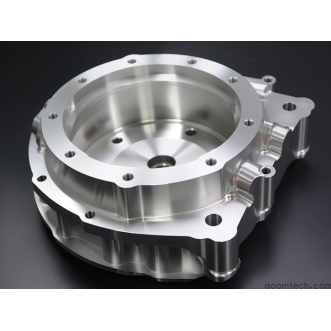
For example, in automotive engineering, experienced suppliers have produced high-precision engine housings that require both strength and lightweight structure.
Innovation and Efficiency
Experienced suppliers often invest in modern technologies such as multi-axis CNC machines. This improves efficiency and reduces production time.
For instance, using advanced machining centers can allow a complex aluminum part to be completed in one setup instead of multiple steps, reducing error risk and saving time.
Quality Control of CNC-Machined Aluminum Parts Suppliers
Inspection Procedures
Quality control involves several inspection steps:
Visual inspection for surface defects
Dimensional inspection using CMM technology
Surface roughness testing
These steps ensure every part meets design requirements before delivery.
Corrective Actions
If a quality issue is found, a professional supplier should take immediate corrective action. This may include re-machining, replacing parts, or adjusting machine settings.
For example, a supplier may rework an entire batch of aluminum parts at no extra cost to maintain customer satisfaction and trust.
Cost-effectiveness of CNC Aluminum Parts Suppliers
Value-for-Money
Cost-effectiveness means getting the best value, not just the lowest price. A slightly more expensive supplier may provide better accuracy and fewer defects, saving money in the long term.
For example, higher-quality parts reduce assembly issues and lower maintenance costs later in production.
Cost Transparency
Clear pricing is very important. A reliable supplier should clearly explain all costs before production starts.
Without transparency, customers may face unexpected charges, leading to budget problems and dissatisfaction.
Reputation of CNC Aluminum Parts Suppliers
Customer Feedback
Customer feedback is one of the most reliable ways to evaluate a supplier. Positive feedback usually indicates good communication, quality, and delivery performance.
Some suppliers improve their services after receiving feedback about communication delays or production issues, showing a commitment to improvement.
Industry Standing
Industry recognition also reflects supplier reputation. Awards, certifications, and participation in trade exhibitions show professionalism and technical strength.
Suppliers with strong industry standing are often more trustworthy and stable partners for long-term cooperation.
Conclusion: Making the Right Choice for CNC-Machined Aluminum Parts
When selecting a supplier for CNC Machining of Aluminum Parts: How to Choose the Right Supplier, it is important to evaluate multiple factors together. These include experience, service range, quality control systems, cost-effectiveness, and reputation.
Key long-tail considerations such as experience of CNC aluminum parts suppliers, quality control of CNC-machined aluminum parts suppliers, cost-effectiveness of CNC aluminum parts suppliers, and reputation of CNC aluminum parts suppliers can help guide your decision.
By carefully comparing suppliers and requesting detailed quotations, you can find a reliable partner that supports your project success from design to final production.
 How to Ensure Precision in CNC
 Small Batch Precision CNC Mach
 What surface finish can CNC ma
 CNC Machining Tolerance Settin