


Nut CNC Custom Machining
Nut CNC Custom Machining
Introduction to Nut CNC Custom Machining
Nut CNC Custom Machining is a modern manufacturing method used to produce high-precision nuts for different industrial applications. In this process, Computer Numerical Control (CNC) machines are used to shape, cut, and finish nuts based on detailed digital designs. Unlike standard mass-produced nuts, custom-machined nuts are made to meet specific requirements such as unique sizes, special threads, or high-strength performance needs.
Nuts are fundamental components in mechanical systems, construction equipment, vehicles, aerospace structures, and many other applications. The stability and safety of these systems often depend on the quality of fastening parts. With CNC custom machining, manufacturers can produce nuts that fit perfectly, work reliably, and support efficient system operation.
Importance of CNC Custom Machining for Nuts
Meeting Specialized Requirements
The importance of CNC custom machining for nuts lies in its ability to meet highly specialized requirements. In industries like aerospace, automotive racing, and precision engineering, standard nuts are often not suitable. These applications may require unique thread profiles, high-strength materials, or non-standard dimensions.
For example, in an aircraft engine, a custom-machined nut may be designed with a special thread profile that improves resistance to vibration and supports high torque loads. This ensures safety and reliability under extreme working conditions.
Enhanced Compatibility
Custom-machined nuts also provide better compatibility with other components. When parts are designed together, CNC machining ensures perfect matching between nuts, bolts, and assemblies. This reduces assembly errors and improves performance.
For instance, in a custom-built racing car suspension system, CNC-machined nuts can be designed to match specially engineered bolts. This precise fit improves stability, safety, and overall driving performance.
Process of CNC Custom Machining Nuts
Design and CAD/CAM Programming
The process of CNC custom machining nuts begins with detailed design work using CAD (Computer-Aided Design) software. Engineers create a 3D model of the nut, considering load requirements, material selection, and thread specifications.
Next, CAM (Computer-Aided Manufacturing) software converts the design into a CNC program. This program defines toolpaths, cutting speeds, feed rates, and spindle speeds. For example, when producing a high-strength nut with a complex thread profile, special programming is required to ensure accuracy and smooth cutting performance.
Material Selection and Preparation
Material selection plays a key role in Nut CNC Custom Machining. Common materials include carbon steel, stainless steel, aluminum, and alloy steel. Each material offers different properties such as strength, corrosion resistance, and weight.
For example, high-carbon steel provides excellent strength but is harder to machine. This requires slower cutting speeds and stronger tools. In some cases, materials may undergo heat treatment before machining to improve machinability and performance.
Machining Operations
Turning: Turning is used to form the outer shape of the nut. CNC lathes use cutting tools to achieve precise dimensions. Hard materials require slower speeds to avoid tool wear and maintain accuracy.
Thread Cutting: Thread cutting is one of the most important steps. It ensures the nut can properly fit with bolts. CNC machines control thread pitch, depth, and profile with high precision using specialized threading tools.
Drilling and Chamfering: Some nuts require drilling for internal features. Chamfering smooths edges to make assembly easier and safer. Proper coolant and controlled feed rates help prevent tool damage and improve surface quality.
Finishing Operations
After machining, finishing processes may be applied to improve performance. These include heat treatment for added strength, zinc plating for corrosion resistance, or coating for better lubrication.
For example, a heat-treated and zinc-plated nut can perform better in outdoor environments where moisture and corrosion are common.
Benefits of Nut CNC Custom Machined Products
High-Quality and Consistent Performance
One major benefit of Nut CNC Custom Machining is consistent quality. Each nut is produced with precise dimensions and uniform performance. This is especially important in large construction or industrial projects where reliability is critical.
Cost-Effectiveness for Small-to-Medium Batches
Unlike mass production methods, CNC machining is cost-effective for small and medium production runs. It does not require expensive molds or tooling changes. This makes it ideal for customized or limited-production nut designs.
Quick Turnaround for Prototyping and Urgent Orders
CNC machining allows fast production of prototypes and urgent orders. Once the design is ready, machines can quickly begin production. This helps companies speed up product development and reduce downtime.
Challenges in Nut CNC Custom Machining
Meeting Tight Tolerances
One of the main challenges in Nut CNC Custom Machining is maintaining tight tolerances. Even small variations in thread size can affect performance. Factors like tool wear, heat, and vibration can influence accuracy during machining.
Tool Wear and Breakage
Hard materials such as alloy steel can cause fast tool wear. Cutting tools may need frequent replacement, increasing production costs. Proper tool selection and optimized cutting parameters are essential to reduce wear.
Complex Thread Profiles
Some applications require complex thread designs that are difficult to machine. These require advanced programming and precise tool control. Trial and adjustment may be needed before achieving the correct result.
Choosing a Nut CNC Custom Machining Service Provider
Experience in Nut Machining
When selecting a provider, experience is very important. A skilled manufacturer understands material behavior, thread design, and machining techniques. Reviewing past projects can help evaluate their capability.
Quality Assurance Measures
A reliable service provider should have strong quality control systems. This includes in-process inspection, final product testing, and the use of calibrated measuring tools. Quality certifications also demonstrate reliability and consistency.
Cost-Effectiveness and Pricing Transparency
Clear and transparent pricing is essential. A good provider should explain material costs, machining fees, and finishing charges. Comparing multiple quotes can help customers find the best balance between cost and quality.
Conclusion: Selecting the Right Nut CNC Custom Machining Service
Nut CNC Custom Machining plays a key role in producing high-performance fastening components for modern industries. It offers advantages such as precision, customization, durability, and fast production. At the same time, it also involves challenges like tight tolerances and tool wear.
Understanding the importance of CNC custom machining for nuts, the process of CNC custom machining nuts, the benefits of nut CNC custom-machined products, the challenges in nut CNC custom machining, and choosing a nut CNC custom machining service provider helps businesses make better decisions.
By carefully evaluating technical capability, quality systems, and pricing transparency, companies can select the right manufacturing partner and ensure long-term performance and reliability in their applications.
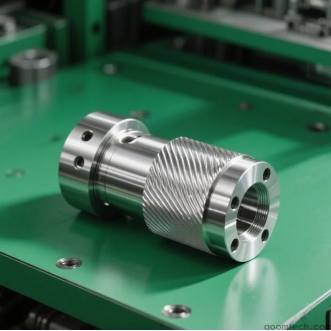 How to Ensure Precision in CNC
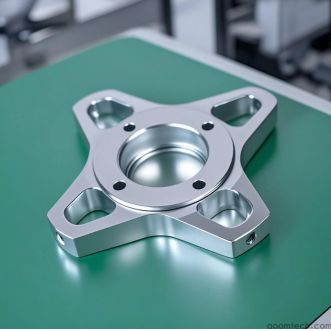 Small Batch Precision CNC Mach
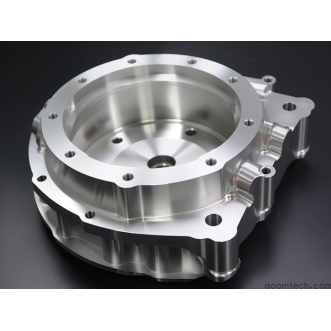 What surface finish can CNC ma
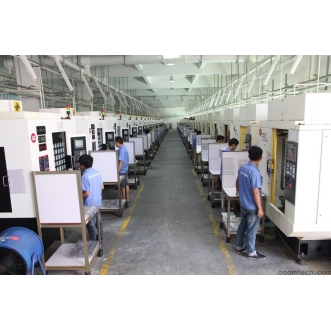 CNC Machining Tolerance Settin