


What Parts Can CNC Machines Produce?
What Parts Can CNC Machines Produce?
Introduction to What Parts Can CNC Machines Produce?
The Versatility of CNC Machines in Part Production
CNC (Computer Numerical Control) machines are highly versatile manufacturing tools that can produce a very wide range of parts. When people ask “What Parts Can CNC Machines Produce?”, the answer is almost every type of precision component used in modern industries. From small detailed pieces to large structural parts, CNC technology supports many production needs.
These machines are widely used because of their accuracy, flexibility, and repeatable results. They help manufacturers produce parts that meet strict design and performance requirements. This is why CNC machining is important in industries like automotive, aerospace, medical, and electronics.
Types of Parts Produced by CNC Machines
Mechanical Components
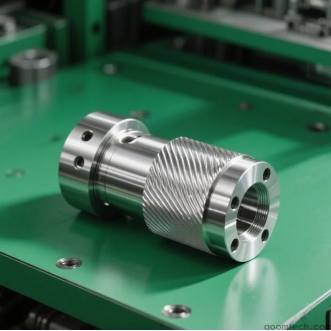
CNC machines can produce many mechanical components such as gears, shafts, bolts, and bearings. These are essential parts in machines and equipment.
For example, gears made by CNC machining are precisely shaped so they can transfer power smoothly in systems like car transmissions. Shafts are produced with accurate dimensions to ensure perfect alignment and rotation. Bearings also require high precision to reduce friction and support smooth movement.
These types of parts produced by CNC machines are critical for the reliable performance of mechanical systems.
Structural Parts
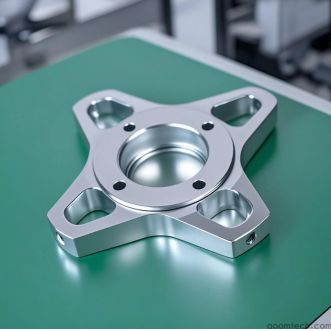
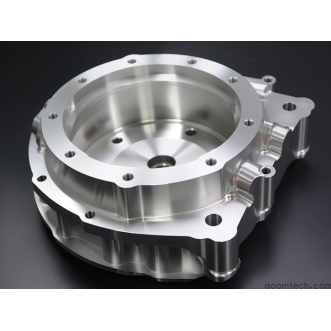
CNC machines are also used to create structural parts such as frames, brackets, plates, and housings. These parts provide strength, stability, and protection for products and machines.
For example, a CNC-machined aluminum frame in an electronic device offers both lightweight design and strong support. A machine housing protects internal components from damage while maintaining structural integrity.
These custom parts manufactured by CNC machines are widely used in consumer products and industrial equipment.
Tooling and Dies
CNC machining is commonly used to produce tooling, molds, and dies used in manufacturing processes like stamping and forming.
For example, a CNC-made die can be used to produce metal automotive panels. Because of high precision, these tools ensure consistent production quality and reduce errors in mass production.
CNC-Machined Parts in Different Industries
Aerospace Industry
In the aerospace industry, CNC machines produce high-precision parts such as turbine blades, engine components, and structural supports.
These parts must withstand extreme conditions like high temperature and pressure. For example, a CNC-machined turbine blade in a jet engine must be extremely accurate to ensure safe and efficient flight.
This is one of the most demanding areas for CNC-machined parts in different industries, where safety and precision are critical.
Automotive Industry
In the automotive field, CNC machines produce engine blocks, cylinder heads, brake components, and transmission parts.
For example, a CNC-machined engine block ensures precise cylinder alignment, which improves fuel efficiency and engine performance. Mass production in this industry depends heavily on CNC accuracy and repeatability.
Medical Industry
The medical industry relies on CNC machining for surgical tools, orthopedic implants, and dental parts.
These components must meet strict hygiene and precision standards. For example, a CNC-produced orthopedic implant can be customized to match a patient’s bone structure, improving comfort and recovery outcomes.
Precision Parts Made by CNC Machines
Tight Tolerance Components
CNC machines can produce extremely precise parts with very small tolerance levels. These are used in optical instruments, measuring devices, and advanced electronics.
For example, a CNC-machined microscope component ensures accurate focusing and clear imaging due to its exact dimensions. These are true examples of precision parts made by CNC machines.
Complex-Shaped Parts
CNC machining can also create complex shapes that are difficult or impossible to make using traditional methods.
For example, parts for 3D printers or aerospace systems often include internal channels or lattice structures that reduce weight while maintaining strength. CNC technology makes these designs possible with high accuracy.
Custom Parts Manufactured by CNC Machines
One-off Custom Parts
CNC machines are ideal for producing one-off custom parts. This is useful for prototyping, repairs, or special projects.
For example, in vintage car restoration, a missing or damaged part can be recreated using CNC machining based on original designs. This helps restore machines that no longer have available spare parts.
Small-batch Custom Parts
CNC machining is also effective for small production runs. This is important for niche industries and specialized products.
For example, companies producing custom jewelry components or specialized mechanical fittings often use CNC machines for small batch production.
These custom parts manufactured by CNC machines offer flexibility for businesses with unique product needs.
Advantages of CNC-Produced Parts
High Precision
CNC machining delivers extremely high accuracy. This ensures that parts fit perfectly and function correctly.
For example, in watchmaking, CNC-machined components allow precise movement, leading to accurate timekeeping.
Consistent Quality
Once a CNC program is created, every part produced follows the same specifications. This results in consistent quality across large production runs.
For example, CNC-machined screws in a production line will all have identical dimensions, ensuring reliable assembly.
Cost-effectiveness for Medium-to-Large Batches
CNC machining becomes cost-effective when producing medium or large quantities of parts. Setup costs are balanced by efficient production and reduced material waste.
For example, a manufacturing company producing thousands of identical components can significantly reduce costs using CNC automation.
These advantages of CNC-produced parts make CNC machining a preferred choice in modern manufacturing.
Conclusion: The Wide-ranging Capabilities of CNC Machines in Part Production
Summary and Key Takeaways
CNC machines can produce a vast variety of parts, including mechanical components, structural parts, tooling, and highly precise or complex shapes. They are used across industries such as aerospace, automotive, and medical manufacturing.
With benefits like high precision, consistent quality, and cost efficiency, CNC machining has become a key technology in modern production systems.
If you are exploring manufacturing options, understanding What Parts Can CNC Machines Produce? can help you choose the right solution for your project. Further research based on your specific needs will help you make better production decisions.
 How to Ensure Precision in CNC
 Small Batch Precision CNC Mach
 What surface finish can CNC ma
 CNC Machining Tolerance Settin