


CNC Machining Automotive Parts
CNC Machining Automotive Parts
The automotive industry depends heavily on precision engineering to ensure that every vehicle is safe, efficient, and reliable. CNC Machining Automotive Parts plays a key role in modern manufacturing by producing components with high accuracy and consistency. CNC (Computer Numerical Control) machining uses computer-controlled tools to shape metal and other materials into exact designs. These CNC-machined automotive parts help improve vehicle performance, durability, and safety across all types of cars and trucks.
In today’s global automotive supply chain, manufacturers rely on CNC technology to meet strict quality standards and high production demands. From engines to braking systems, CNC machining ensures that every part fits and functions exactly as intended.
Importance of CNC Machining for Automotive Parts
Enhanced Precision for Performance
The importance of CNC machining for automotive parts is mainly seen in its ability to deliver extremely high precision. Even a small error in size can affect engine efficiency and vehicle performance. CNC machining ensures that each part is made with exact measurements.
For example, a CNC-machined piston fits perfectly inside an engine cylinder. This tight fit reduces friction, improves fuel efficiency, and increases engine power output. As a result, the vehicle runs smoother and performs better over time.
Meeting Stringent Safety Standards
Automotive parts must meet strict safety regulations. CNC machining helps manufacturers maintain consistent quality across all produced parts. This consistency is essential for safety-critical components.
For instance, CNC-machined brake calipers are produced with precise dimensions to ensure reliable braking force. When every component is uniform, the braking system becomes more dependable, reducing the risk of failure and improving road safety.
Types of Automotive Parts CNC Machined
Engine Components
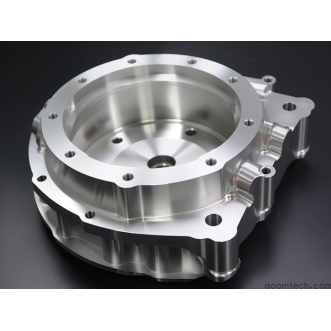
The types of automotive parts CNC machined include many engine components such as cylinder heads, crankshafts, and camshafts. These parts must withstand high pressure and heat while maintaining perfect movement and alignment.
For example, a CNC-machined cylinder head contains accurately drilled cooling channels and fuel passages. This improves combustion efficiency and helps the engine run at optimal temperature and performance.
Transmission Parts
Transmission systems rely on CNC-machined gears, shafts, and housings. These parts must fit together with very tight tolerances to ensure smooth power transfer from the engine to the wheels.
A CNC-machined gear with a precise tooth profile reduces vibration and wear, improving the overall efficiency and lifespan of the transmission system.
Body and Chassis Components
CNC machining is also used for structural components such as brackets, mounts, and suspension parts. These components support vehicle structure and influence handling and stability.
For example, a CNC-machined suspension arm can be designed to be both lightweight and strong, improving vehicle control while reducing overall weight for better fuel efficiency.
CNC Machining Process for Automotive Parts
Design and CAD/CAM Programming
The CNC machining process for automotive parts begins with detailed design work using CAD (Computer-Aided Design) software. Engineers create 3D models that define the shape, size, and function of each part.
Next, CAM (Computer-Aided Manufacturing) software converts these designs into machine instructions. Toolpaths, cutting speeds, and feed rates are carefully planned. For example, when producing a complex engine block, programmers must ensure internal channels and surfaces are accurately mapped for machining.
Material Selection and Preparation
Choosing the right material is essential in CNC machining. Common materials include aluminum, steel, and titanium. Each material has different strength, weight, and heat resistance properties.
For example, heat-treated steel is often used for crankshafts because it provides high strength and durability. However, it also requires careful machining due to its hardness, which affects tool wear and cutting speed.
Machining Operations
Milling
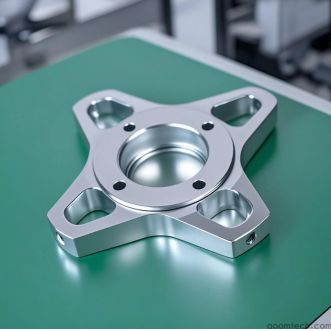
Milling is used to create flat surfaces, slots, and complex shapes. Carbide cutters are commonly used for their strength and durability. Cutting speed must be adjusted based on material hardness to ensure accuracy and tool life.
Turning
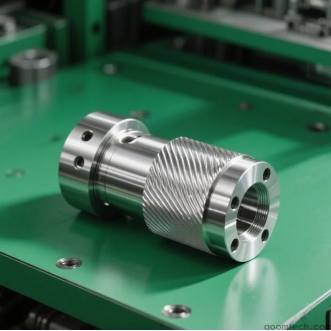
Turning is used for cylindrical parts such as shafts. The workpiece rotates while the cutting tool removes material. This process requires precise control to ensure roundness and smooth surface finish.
Drilling
Drilling creates accurate holes in automotive parts. High-speed drill bits are used along with coolant to prevent overheating and maintain precision during the process.
Finishing Operations
After machining, finishing processes may be applied. These include grinding for smoother surfaces, heat treatment for improved strength, and plating for corrosion resistance.
For example, a ground and coated metal part can resist wear better and last significantly longer in harsh driving conditions.
Benefits of CNC Machined Automotive Parts
High-Quality and Consistent Parts
The benefits of CNC - machined automotive parts include consistent quality and repeatability. Every part is manufactured to the same standard, reducing defects and ensuring reliable performance across mass production.
For example, CNC-machined pistons in a production batch will have nearly identical dimensions, ensuring smooth engine operation in every vehicle.
Cost-Effectiveness for Mass Production
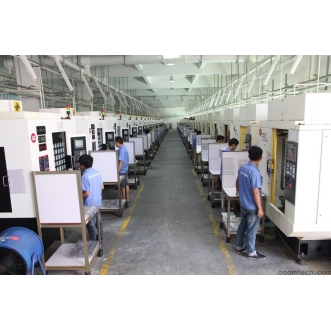
CNC machining is highly efficient for large-scale production. Once programming and setup are complete, machines can produce parts automatically with minimal human intervention.
For example, large automotive manufacturers such as :contentReference[oaicite:0]{index=0} use CNC machining to produce high volumes of standardized parts, helping reduce production costs while maintaining quality.
Customization for Special Applications
CNC machining allows manufacturers to create custom parts for specialized vehicles such as racing cars or off-road vehicles. Designs can be easily modified to meet specific performance needs.
For example, a custom suspension component for a racing car can be CNC-machined to reduce weight while maintaining strength, improving speed and handling on the track.
Challenges in CNC Machining Automotive Parts
Meeting Tight Tolerances
The challenges in CNC machining automotive parts include maintaining extremely tight tolerances. Factors such as tool wear, heat, and vibration can affect accuracy.
For example, a small dimensional error in an engine component caused by thermal expansion can reduce engine efficiency. Manufacturers address this by using temperature control systems and regular calibration of machines.
High Cost of Equipment and Maintenance
CNC machines are expensive to purchase and maintain. Regular servicing, tool replacement, and software upgrades are necessary to ensure long-term performance.
Companies must carefully plan maintenance schedules to avoid production downtime and maintain consistent quality in automotive part manufacturing.
Meeting Environmental and Regulatory Requirements
The automotive industry must follow strict environmental regulations. CNC machining facilities must manage waste materials, coolant fluids, and energy usage responsibly.
For example, some factories implement recycling systems for metal chips and use eco-friendly cutting fluids to reduce environmental impact while maintaining production efficiency.
Conclusion: The Role of CNC Machining in Automotive Part Manufacturing
CNC Machining Automotive Parts is a fundamental technology in modern vehicle production. It ensures high precision, strong safety performance, and efficient manufacturing for a wide range of automotive components.
Understanding the importance of CNC machining for automotive parts, the types of automotive parts CNC machined, the CNC machining process for automotive parts, the benefits of CNC - machined automotive parts, and the challenges in CNC machining automotive parts helps manufacturers and readers appreciate its critical role in the automotive industry.
As automotive technology continues to evolve, CNC machining will remain essential for producing high-quality, reliable, and innovative vehicle components. Exploring CNC machining further can help businesses improve production efficiency and product performance in the long term.
 How to Ensure Precision in CNC
 Small Batch Precision CNC Mach
 What surface finish can CNC ma
 CNC Machining Tolerance Settin