


CNC Machining of Aluminum Plate Parts
CNC Machining of Aluminum Plate Parts
Introduction to CNC Machining of Aluminum Plate Parts
The CNC Machining of Aluminum Plate Parts is a modern manufacturing method used to create precise and reliable components from aluminum plates. CNC (Computer Numerical Control) machining uses computer-controlled tools to cut, shape, drill, and finish aluminum materials with high accuracy.
Aluminum plate parts are widely used in industries such as automotive, aerospace, construction, and electronics. Aluminum is popular because it is lightweight, strong for its weight, and resistant to corrosion. CNC machining makes it possible to turn flat aluminum plates into highly functional parts used in complex systems.
These CNC-machined aluminum plate parts play an important role in improving product performance, supporting innovation, and ensuring consistent quality across many industries.
Significance of Aluminum Plate Parts in Various Industries
Aluminum plate parts are essential in many industrial applications. In the automotive industry, they are used for structural supports and engine components. In aerospace, they help reduce aircraft weight while maintaining strength. In electronics, aluminum plates are often used for heat dissipation and protective housings. In construction, they provide durable and corrosion-resistant structural elements.
The combination of aluminum material and CNC technology ensures that these parts meet strict performance and safety requirements. This is why CNC-machined aluminum components are widely adopted in high-performance engineering fields.
Advantages of CNC Machining for Aluminum Plate Parts
High Precision Manufacturing
CNC machining allows extremely high precision when producing aluminum plate parts. Computer-controlled movements ensure tight tolerances and consistent quality.
For example, in automotive engine components made from aluminum plates, CNC machining ensures exact dimensions so that parts fit perfectly and function efficiently without mechanical failure.
Complex Design Realization
One major advantage of CNC machining for aluminum plate parts is the ability to produce complex shapes and internal structures. Advanced CNC systems can create intricate designs that are impossible with traditional machining methods.
For example, aerospace aluminum plate parts often include internal cooling channels. CNC machining makes it possible to produce these complex structures exactly as designed, improving thermal management and performance.
Material Utilization Efficiency
CNC machining improves material efficiency by reducing waste. The process uses precise cutting paths, ensuring that aluminum plates are used effectively.
In construction applications, this efficiency reduces material costs and supports sustainable manufacturing by minimizing scrap waste during production.
Process Steps of CNC Machining Aluminum Plate Parts
Design and CAD/CAM Programming
The process begins with CAD (Computer-Aided Design), where engineers create a 3D model of the part. After that, CAM (Computer-Aided Manufacturing) software converts the design into machine instructions.
These instructions define toolpaths, cutting speeds, and feed rates. For example, when designing an aluminum electronic enclosure, programmers carefully adjust machining paths to ensure accuracy and avoid deformation during cutting.
Material Preparation
Before machining, aluminum plates must be inspected and prepared. This includes checking thickness, surface flatness, and removing defects. In some cases, heat treatment may be applied to improve machinability.
Proper preparation ensures stable machining conditions and improves final part quality.
Machining Operations
Milling
Milling is used to shape aluminum plates into flat surfaces, pockets, and complex geometries. Carbide cutting tools are commonly used due to their durability.
Optimizing cutting speed and feed rate helps achieve smooth surface finishes and prevents material sticking.
Cutting
Initial cutting or sawing is used to reduce aluminum plates into manageable sizes. Precision cutting ensures straight edges and reduces machining time in later steps.
Drilling
Drilling creates accurate holes in aluminum plate parts. Proper tool selection, coolant usage, and feed control are essential to avoid tool breakage and ensure clean hole edges.
Finishing Operations
After machining, finishing processes improve appearance and performance. These may include deburring, anodizing, and painting.
For example, anodized aluminum plate parts used outdoors have better corrosion resistance and a more attractive surface finish.
Benefits of CNC-Machined Aluminum Plate Parts
Enhanced Product Performance
The benefits of CNC-machined aluminum plate parts include improved performance due to high precision and optimized design. These parts contribute to better efficiency and longer product life.
For example, CNC-machined aluminum heat sinks in electronic devices improve heat dissipation and extend device lifespan.
Cost-Effectiveness for Medium-to-Large Batches
CNC machining becomes highly cost-effective in medium and large production runs. Initial setup costs are balanced by fast and repeatable production.
Manufacturers often achieve significant savings when producing large quantities of aluminum plate components using CNC technology.
Quick Turnaround for Prototyping
CNC machining is ideal for rapid prototyping. Designers can quickly test new aluminum plate part designs and make adjustments.
Startups often use CNC-machined prototypes to validate product ideas and speed up development cycles.
Challenges in CNC Machining Aluminum Plate Parts
Chip Formation and Evacuation
Aluminum tends to produce long, stringy chips during machining. These chips can block tools and affect surface quality.
Manufacturers often use coolant systems and chip-breaking tool paths to solve this issue and maintain smooth operations.
Tool Wear
Although aluminum is soft, high-speed machining can still cause tool wear. Cutting tools may need frequent replacement, increasing production costs.
In large production batches, tool wear must be carefully monitored to maintain efficiency and quality.
Thermal Distortion
Heat generated during machining can cause aluminum plates to expand or distort slightly. This affects dimensional accuracy.
Using coolant systems and optimizing cutting speeds helps reduce thermal deformation and maintain precision.
Quality Control in CNC Machining Aluminum Plate Parts
Dimensional Inspection
Quality control in CNC machining aluminum plate parts begins with dimensional inspection. Tools like calipers, micrometers, and CMM machines ensure accuracy.
Early detection of deviations allows operators to adjust machining parameters before defects occur.
Surface Finish Inspection
Surface quality is checked using profilometers and roughness testers. A smooth surface ensures better performance and appearance.
If defects are found, additional finishing operations are performed to meet requirements.
Material Integrity Inspection
Non-destructive testing methods such as ultrasonic testing help detect internal defects in aluminum plates.
This ensures that only high-quality parts are used in critical applications like aerospace or medical equipment.
Conclusion: Mastering CNC Machining for Aluminum Plate Parts
The CNC Machining of Aluminum Plate Parts is a key technology in modern manufacturing. It provides high precision, flexibility, and efficiency for producing complex and durable components.
By understanding the process steps of CNC machining aluminum plate parts, as well as the advantages of CNC machining for aluminum plate parts, manufacturers can improve productivity and reduce waste.
At the same time, addressing challenges in CNC machining aluminum plate parts and applying strict quality control ensures reliable results.
In summary, adopting CNC technology for aluminum plate parts leads to better performance, lower costs, and faster production. Businesses should continue optimizing their machining processes to achieve higher-quality results and remain competitive in global markets.
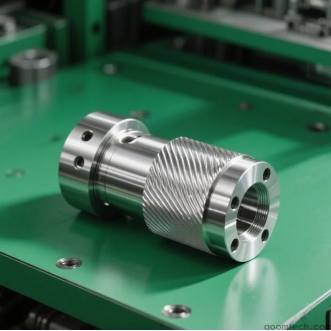 How to Ensure Precision in CNC
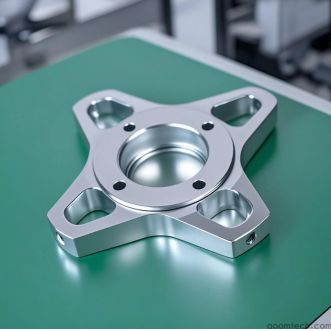 Small Batch Precision CNC Mach
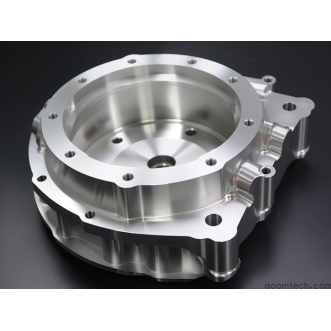 What surface finish can CNC ma
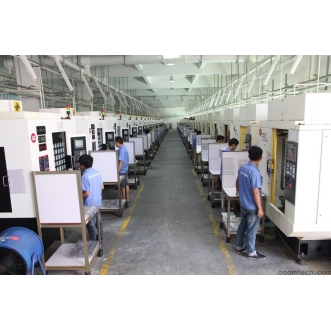 CNC Machining Tolerance Settin