


CNC Machining of Precision Medical Parts
CNC Machining of Precision Medical Parts
Introduction to CNC Machining of Precision Medical Parts
CNC Machining of Precision Medical Parts is a modern manufacturing method used to create highly accurate components for medical devices. In healthcare, even the smallest part can affect patient safety and treatment results. These parts are used in tools for diagnosis, surgery, and long-term treatment such as implants.
Precision medical parts are the backbone of modern medicine. CNC (Computer Numerical Control) machining helps produce these parts with very tight accuracy. This ensures that medical devices work correctly, safely, and consistently. In many cases, CNC-machined components directly support life-saving procedures and improve patient recovery.
Benefits of CNC - Machined Precision Medical Parts for Patient Safety
Enhanced Accuracy in Fit and Function
One major benefit of CNC machining is extremely high accuracy. Medical parts must fit perfectly inside devices or the human body. Even a small error can cause serious problems.
For example, in joint replacement implants, CNC machining ensures exact dimensions. This helps the implant align properly with bones, reducing pain and improving movement. In devices like syringe pumps, precise parts ensure the correct dose of medicine is delivered every time.
Consistent Quality across Batches
CNC machining provides stable and repeatable results. Every part is made using the same digital program, which reduces variation.
For example, in a batch of hypodermic needles, CNC machining ensures each needle has the same sharpness and diameter. This improves patient comfort and reduces risk during injections. This is one of the key benefits of CNC - machined precision medical parts for patient safety.
Steps in CNC Machining Precision Medical Parts for Implants
Design Phase
The process begins with CAD (Computer-Aided Design). Engineers and medical experts design a 3D model based on patient needs or device requirements. For custom implants, the shape may match a patient’s bone structure.
This design is then checked for safety, strength, and biocompatibility before moving forward.
Material Selection and Preparation
Choosing the right material is very important. Common materials include titanium alloys, stainless steel, and medical-grade plastics. These materials are safe for the human body and resistant to corrosion.
Before machining, materials may be cut, cleaned, or heat-treated. This improves strength and machining performance. The material choice strongly affects final product quality and is a key part of the steps in CNC machining precision medical parts for implants.
Machining Operations
Milling
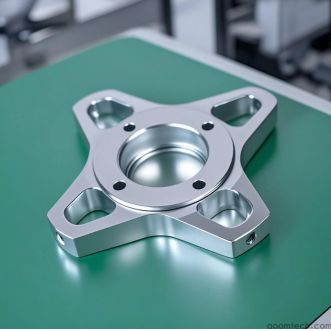
Milling is used to create complex shapes, flat surfaces, and detailed structures. Cutting speed and feed rate must be carefully controlled. Hard materials often require slower cutting speeds to reduce tool wear and maintain accuracy.
Drilling
Drilling creates precise holes in medical parts. These holes must be accurate because they affect assembly and function. Special drill bits and cooling fluids are used to prevent damage and overheating.
Turning
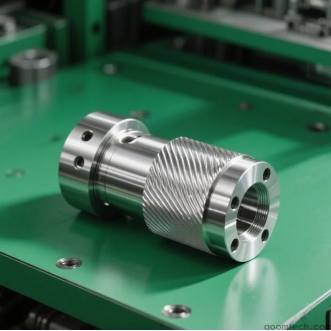
Turning is used for cylindrical parts. The material rotates while the cutting tool shapes it. This process is common for pins, rods, and connector parts used in medical devices.
Finishing and Sterilization
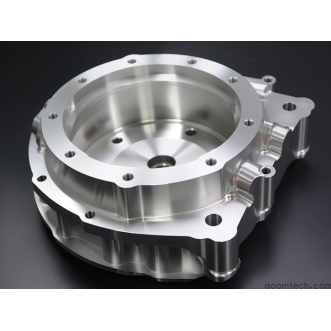
After machining, parts are polished to improve surface smoothness. A smooth surface reduces irritation when used inside the human body.
Sterilization is also required before medical use. This ensures the part is free from harmful bacteria and safe for patient contact.
Challenges in Achieving Biocompatibility in CNC - Machined Medical Parts
Material-Machining Interaction
Heat and friction during machining can change surface properties of materials. This may affect how the body reacts to the implant.
Manufacturers use cooling systems and special cutting strategies to reduce heat. Post-processing treatments are also used to restore surface quality.
Contamination Risks
Dust, oil, or coolant can contaminate medical parts during production. This can reduce biocompatibility and safety.
To prevent this, production is often done in clean environments. Strict cleaning processes are used after machining. These are important challenges in achieving biocompatibility in CNC - machined medical parts.
Cost and Production Balance
Medical parts often require small production volumes but very high quality. This makes cost control difficult. Manufacturers must balance precision, safety, and production efficiency.
Quality Control Checks for CNC - Machined Precision Medical Instruments
Dimensional Inspection
Tools like calipers, micrometers, and CMM (Coordinate Measuring Machines) are used to check dimensions. Even small deviations can cause failure in medical use.
Early inspection helps detect errors before mass production continues, reducing waste and risk.
Surface Roughness Testing
Surface quality is tested using profilometers. A rough surface can harm tissue or reduce device performance.
If issues are found, additional polishing or re-machining is performed. This is part of quality control checks for CNC - machined precision medical instruments.
Functional Testing
Medical parts are tested in real-use simulations. For example, surgical staplers are tested for correct operation. This ensures the part performs safely under real conditions.
Advantages of CNC over Traditional Methods for Medical Part Precision
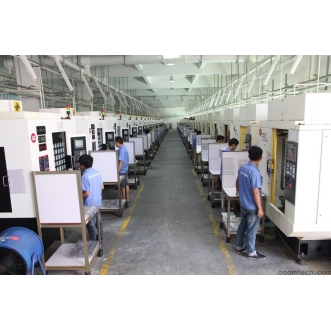
Compared to traditional machining, CNC offers much higher precision, better repeatability, and the ability to create complex shapes.
Traditional methods often rely on manual control, which increases error risk. CNC systems follow digital instructions, making production more stable and accurate.
Many medical companies have switched to CNC machining because it reduces production errors and improves product consistency. This supports the advantages of CNC over traditional methods for medical part precision.
Applications of CNC - Machined Precision Medical Parts
Surgical Instruments
CNC machining is widely used in tools like scalpels, forceps, and staplers. For example, precise components in surgical staplers help ensure accurate tissue closure during operations.
Medical Implants
Orthopedic implants, dental implants, and spinal devices rely on CNC machining. Custom implants can be designed for individual patients, improving comfort and healing.
Diagnostic Equipment
Machines like MRI scanners and blood analyzers use CNC-machined parts for accuracy. These parts help improve the reliability of medical test results.
Conclusion
CNC machining plays a critical role in modern healthcare. It ensures high precision, strong safety, and reliable performance in medical devices and implants. From design to final testing, every step must be carefully controlled.
By understanding CNC Machining of Precision Medical Parts, manufacturers can improve quality, reduce risk, and support better patient outcomes. As medical technology continues to develop, CNC machining will remain a key technology for innovation and safety in healthcare.
 How to Ensure Precision in CNC
 Small Batch Precision CNC Mach
 What surface finish can CNC ma
 CNC Machining Tolerance Settin