


CNC Machining of Precision Small Parts
CNC Machining of Precision Small Parts
Introduction to CNC Machining of Precision Small Parts
CNC Machining of Precision Small Parts is a modern manufacturing method that uses computer-controlled machines to produce very small and highly accurate components. CNC stands for Computer Numerical Control. It means machines follow digital instructions to cut, shape, and finish materials with high accuracy.
Precision small parts are used in many industries such as electronics, medical devices, aerospace, and automotive systems. Even though these parts are small, they play a very important role in the performance of complex products. For example, a tiny connector in a smartphone or a micro part in a surgical tool must fit perfectly to ensure safety and reliability.
This is where CNC machining becomes important. It helps manufacturers produce consistent, accurate, and complex small parts that support modern technology and innovation. The importance of precision in small part CNC machining cannot be ignored because even a small error can cause system failure.
CNC Machining Techniques for Precision Small Parts
Milling for Small Parts
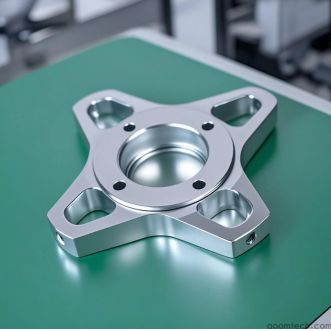
Milling is one of the most common CNC machining techniques for precision small parts. In this process, rotating cutting tools remove material from a solid block to create shapes such as slots, holes, and 3D surfaces.
For small parts, micro-milling cutters are used. Operators carefully adjust cutting speed, feed rate, and tool paths to avoid tool damage and ensure smooth surfaces. For example, in an electronic device, a tiny insulating component may be milled with extremely fine settings to ensure it fits perfectly on a circuit board.
Turning for Small Parts
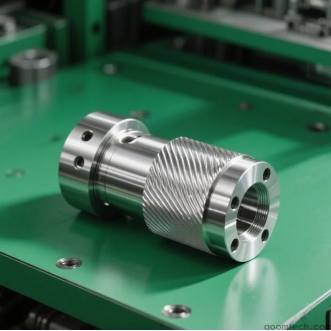
Turning is used when the part has a cylindrical shape. The material rotates while a cutting tool removes excess material. Small turning inserts are required for precision work.
A good example is a miniature shaft used in a medical instrument. During production, maintaining concentricity is very important. Any small deviation can affect the movement and accuracy of the instrument. Careful control of tool pressure and speed helps achieve the required precision.
Drilling and Boring for Small Parts
Drilling is used to create small and accurate holes in precision parts. Micro-drill bits are commonly used, and they require careful handling to avoid breakage.
In aerospace components, precise holes are needed for assembly and fastening. Engineers must control drilling speed, use proper cooling, and ensure correct alignment to prevent tool deflection and maintain accuracy.
Importance of Precision in Small Part CNC Machining
Precision is the core of CNC Machining of Precision Small Parts. Without high accuracy, small parts may fail to fit or function correctly.
In electronics, even a slight deviation in a connector can lead to poor signal transmission. In the medical field, inaccurate small parts in surgical tools can risk patient safety. In aerospace systems, precision errors can affect engine performance or safety systems.
High-precision CNC machining ensures that every part meets strict design requirements, reducing risk and improving product reliability.
Materials Used in CNC Machining Precision Small Parts
Metals
Common metals include stainless steel, aluminum, and titanium. Each material has unique properties.
Stainless steel is strong and corrosion-resistant, making it ideal for medical tools.
Aluminum is lightweight and widely used in aerospace applications.
Titanium offers high strength and low weight, suitable for high-performance industries.
These metals are widely used in materials used in CNC machining precision small parts because they balance strength, durability, and performance.
Plastics
Plastics like polycarbonate and acetal are also common. They are easy to machine, cost-effective, and provide electrical insulation.
For example, small plastic connectors in consumer electronics are often made from these materials because they are lightweight and reliable.
Ceramics
Ceramics are used in special applications where high temperature resistance and wear resistance are needed. Although difficult to machine, they are important in advanced industrial systems.
Process of CNC Machining Precision Small Parts
Design and CAD/CAM Programming
The process of CNC machining precision small parts begins with design using CAD software. Engineers create a 3D model based on function and performance requirements.
Then CAM software converts the design into machine instructions. These instructions define tool paths, cutting speeds, and feed rates. For complex micro-components, programming must carefully consider tool size, material behavior, and heat generation.
Material Selection and Preparation
Choosing the right material is critical. Metals, plastics, and ceramics are selected based on strength, weight, and usage conditions.
Before machining, materials may be cut into smaller blocks or treated with heat processes to improve machinability. Hard materials like ceramics may require special cutting tools and slower machining speeds.
Machining Operations
CNC machines then perform milling, turning, or drilling based on the design. Each step requires careful control to maintain accuracy and avoid tool damage.
Finishing Operations
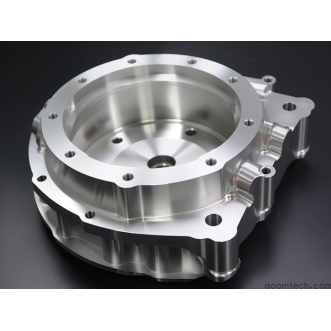
After machining, parts may go through polishing, coating, or plating. These finishing steps improve surface quality, corrosion resistance, and appearance. For example, polished metal parts in consumer products often last longer and look more refined.
Challenges in CNC Machining Precision Small Parts
Despite its advantages, there are several challenges in CNC machining precision small parts.
Tool Wear and Breakage
Small cutting tools wear out quickly due to their size. Frequent replacement increases production cost and time.
Heat Generation and Dimensional Changes
Heat produced during machining can cause expansion in both tools and materials. This may lead to dimensional errors. Cooling systems and optimized cutting speeds are used to reduce this problem.
Handling and Assembly Difficulties
Because of their small size, precision parts are difficult to handle. Improper handling can cause damage or misalignment during assembly.
Applications of CNC-Machined Precision Small Parts
Applications of CNC - machined precision small parts are found in many industries.
Electronics Industry
Used in connectors, circuit boards, and micro components. For example, smartphone connectors ensure stable electrical connections between components.
Medical Field
Used in surgical instruments, dental implants, and medical pumps. High accuracy ensures patient safety and device reliability.
Aerospace and Defense
Used in engines, avionics, and control systems. Even small parts must perform reliably under extreme conditions.
Quality Control in CNC Machining Precision Small Parts
Dimensional Inspection
Quality control in CNC machining precision small parts begins with dimensional inspection using micrometers, calipers, and CMM machines. This ensures parts meet design specifications.
Surface Finish Inspection
Surface quality is checked using profilometers. A smooth surface is important for reducing friction and ensuring proper function.
Material Integrity Inspection
Non-destructive testing methods like X-ray or ultrasonic testing detect internal defects such as cracks or voids, ensuring part safety and reliability.
Advantages of CNC Machining Over Other Methods for Small Part Precision Machining
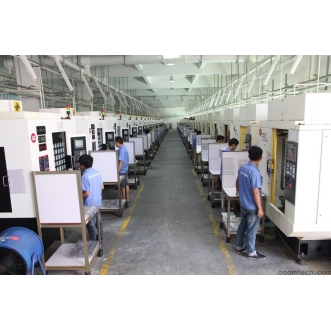
Advantages of CNC over other methods for small part precision machining include higher accuracy, repeatability, and flexibility. CNC machines can produce complex shapes that are difficult or impossible with manual machining.
Once programmed, CNC systems can produce thousands of identical parts with consistent quality. This makes CNC machining more efficient and reliable for mass production.
Conclusion
CNC Machining of Precision Small Parts is essential for modern industries that demand high accuracy and reliability. It combines advanced technology, precise control, and flexible manufacturing to produce critical components used in everyday life.
Understanding the techniques, materials, challenges, and quality control methods helps manufacturers improve production efficiency and product performance. By applying proper CNC methods, industries can achieve better consistency, higher quality, and more reliable small parts for advanced applications.
 How to Ensure Precision in CNC
 Small Batch Precision CNC Mach
 What surface finish can CNC ma
 CNC Machining Tolerance Settin