


Custom CNC Machined Products
Custom CNC Machined Products
In today’s competitive manufacturing world, Custom CNC Machined Products play an important role in creating precise, reliable, and high-performance parts for many industries. CNC (Computer Numerical Control) machining is a modern production method that uses computer-controlled machines to shape materials into exact designs. It is widely used in automotive, aerospace, electronics, medical devices, and consumer goods.
Custom CNC machining helps companies turn ideas into real products with accuracy and consistency. It supports innovation by allowing complex designs that traditional manufacturing methods cannot easily achieve.
The Significance of Custom CNC Machining in Product Manufacturing
In today’s diverse market, custom-made products are in high demand. Companies need unique solutions to stay competitive. Custom CNC machining provides a flexible and precise way to produce these solutions.
It contributes to better innovation, improved product performance, and stronger market competitiveness. Whether it is a small prototype or a full production run, custom CNC machining helps businesses create products that match exact requirements.
Advantages of Custom CNC Machining for Products
High Precision and Accuracy
CNC machining delivers very high precision because it is controlled by computer programs. This ensures tight tolerances and perfect fit between parts.
For example, in automotive manufacturing, a custom engine component can be CNC machined to fit perfectly into the engine assembly, improving reliability and performance.
Design Flexibility
One major benefit of advantages of custom CNC machining for products is the ability to produce complex and unique designs. Designers can create detailed shapes that are difficult with traditional methods.
For example, custom jewelry pieces with detailed patterns can be produced accurately, bringing creative designs to life.
Material Compatibility
CNC machining works with many materials such as aluminum, steel, titanium, plastics, and composites. Each material can be processed with adjusted cutting settings.
For example, electronic device housings made from lightweight composite materials can be machined for both strength and precision.
Process of Custom CNC Machining Products
Design and CAD/CAM Programming
The process of custom CNC machining products begins with CAD (Computer-Aided Design) software. Engineers create a 3D model of the product based on its function and design needs.
Then CAM (Computer-Aided Manufacturing) software converts the design into machine instructions. These include tool paths, cutting speed, and feed rate.
For example, a custom furniture design may require special tool paths to achieve smooth curves and detailed surfaces.
Material Selection and Preparation
Choosing the right material is very important. It depends on strength, cost, durability, and usage requirements.
High-strength metals may require different machining settings compared to soft plastics. Some materials also need heat treatment before machining to improve performance.
Machining Operations
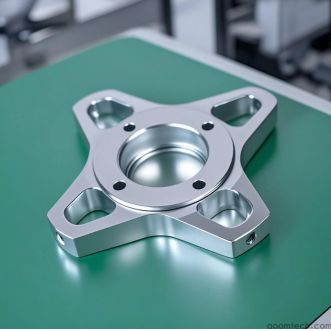
Milling: Used for creating flat surfaces, slots, and complex shapes. Cutting speed and feed rate are adjusted based on material hardness.
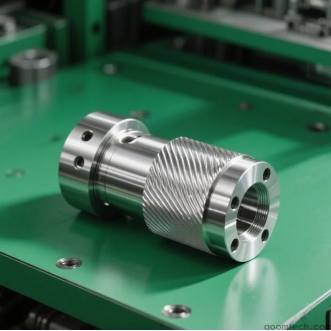
Turning: Used for cylindrical parts. The workpiece rotates while the cutting tool shapes it into precise dimensions.
Drilling: Used to create accurate holes. Proper coolant and feed control help prevent damage and ensure clean edges.
Finishing Operations
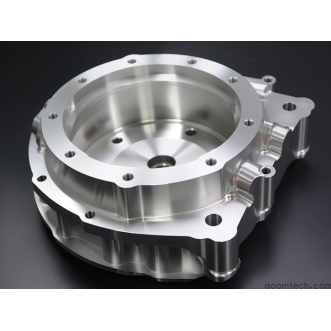
Finishing improves product appearance and performance. It may include polishing, coating, or heat treatment.
For example, a coated metal product has better corrosion resistance and a more attractive surface finish.
Benefits of Custom CNC-Machined Products
Enhanced Product Performance
Benefits of custom CNC-machined products include improved accuracy and durability. This leads to better product function and longer service life.
For example, a CNC-machined machine part can improve production efficiency by enabling smoother mechanical movement.
Cost-Effectiveness for Small-Batch Production
CNC machining is cost-effective for small and medium production runs because it does not require expensive molds or tools.
Startups often use CNC machining for prototypes to reduce development costs while testing product ideas.
Quick Turnaround for Prototyping and Short Runs
CNC machining allows fast production of prototypes, helping companies test and improve designs quickly.
For example, startups can use CNC prototypes to attract investors and demonstrate product concepts.
Challenges in Custom CNC Machining Products
Complex Programming and Setup
Challenges in custom CNC machining products include the need for advanced programming skills. Complex designs require precise tool paths and machine setup.
A small programming error can lead to defective parts and wasted materials.
Tool Wear and Breakage
Hard materials can cause tools to wear out quickly. This increases production cost and may delay manufacturing schedules.
For example, machining high-strength alloys may require frequent tool replacement.
Meeting Tight Deadlines and Cost Constraints
Balancing quality, time, and cost can be difficult. Complex parts may require longer production time, which can affect delivery schedules.
Poor planning may lead to rushed production and reduced quality.
Choosing a Custom CNC Machining Service for Products
Experience and Expertise
Choosing a custom CNC machining service for products should start with evaluating experience. A skilled provider understands different materials, designs, and technical challenges.
Experienced companies are better at solving complex machining problems and delivering reliable results.
Quality Assurance Measures
A reliable provider should have strict quality control systems, including inspections and testing equipment. This ensures every product meets required standards.
Quality certification is also an important indicator of reliability.
Cost-Effectiveness and Pricing Transparency
Pricing should be clear and transparent. Customers should understand material costs, machining costs, and finishing charges.
Comparing multiple quotes helps find the best balance between quality and cost.
Conclusion: Selecting the Right Custom CNC Machining Service for Products
Custom CNC machined products are essential in modern manufacturing. They offer high precision, flexibility, and efficiency across many industries. However, challenges such as complex programming, tool wear, and cost management must also be considered.
When choosing a machining service, businesses should focus on experience, quality control, and transparent pricing. Understanding these factors helps ensure better product quality and long-term success.
Carefully evaluate your options and start selecting the right CNC machining partner for your next project to achieve reliable and high-quality results.
 How to Ensure Precision in CNC
 Small Batch Precision CNC Mach
 What surface finish can CNC ma
 CNC Machining Tolerance Settin