


CNC Machining of Precision Lighting Fixture Parts
CNC Machining of Precision Lighting Fixture Parts
Introduction to CNC Machining of Precision Lighting Fixture Parts
Modern lighting systems depend not only on light sources but also on the quality of their mechanical components. Precision lighting fixture parts affect durability, heat control, optical performance, and visual appearance. In this context, CNC Machining of Precision Lighting Fixture Parts plays a key role in producing accurate, reliable, and high-quality components for lighting products used in homes, offices, outdoor environments, and industrial spaces.
CNC (Computer Numerical Control) machining allows manufacturers to produce complex lighting parts with high accuracy and repeatability. From small LED housings to decorative lamp structures, CNC-machined precision lighting fixture parts help improve both performance and design innovation.
This article explains the significance, process, benefits, challenges, and selection criteria for CNC machining services in the lighting industry, helping readers better understand how to choose the right manufacturing solution.
The Significance of CNC Machining in Precision Lighting Fixture Part Production
Precision lighting fixture parts are essential for ensuring proper assembly, stable performance, and attractive product design. Even small dimensional errors can affect heat dissipation, LED alignment, or optical efficiency. CNC machining provides a highly accurate and controlled manufacturing method to solve these issues.
By using CNC Machining of Precision Lighting Fixture Parts, manufacturers can produce consistent components that support modern lighting innovations such as energy-efficient LED systems, smart lighting solutions, and architectural lighting designs.
Advantages of CNC Machining for Precision Lighting Fixture Parts
High Precision Manufacturing
One of the main advantages of CNC machining for precision lighting fixture parts is its ability to achieve extremely tight tolerances. CNC systems follow programmed instructions with high accuracy, ensuring each part fits perfectly during assembly.
For example, in a custom LED light housing, CNC machining ensures that all parts align correctly. This improves heat dissipation and allows uniform light distribution, which is critical for performance and product lifespan.
Design Flexibility
CNC machining supports complex and creative designs that are difficult to achieve with traditional manufacturing. Designers can create unique shapes, textures, and patterns for decorative lighting products.
For instance, an artistic pendant lamp shade with intricate surface patterns can be produced using CNC machining, turning creative concepts into real products with high detail accuracy.
Material Compatibility
CNC machining works with a wide range of materials used in lighting fixtures, including aluminum, brass, stainless steel, plastics, and composites. Each material can be processed with optimized cutting strategies.
For example, a brass-based decorative lighting fixture requires careful machining to achieve a smooth surface finish while maintaining dimensional accuracy and aesthetic quality.
Process of CNC Machining Precision Lighting Fixture Parts
Design and CAD/CAM Programming
The process of CNC machining precision lighting fixture parts begins with CAD (Computer-Aided Design). Engineers create a detailed 3D model of the lighting component, considering structure, heat management, and assembly requirements.
Next, CAM (Computer-Aided Manufacturing) software converts the model into machine instructions. Toolpaths, cutting speeds, and feed rates are defined to ensure accurate machining. For example, recessed lighting components with complex internal structures require carefully optimized toolpaths to avoid machining errors.
Material Selection and Preparation
Material selection is critical for lighting performance. Aluminum is commonly used for its excellent heat dissipation, while plastics are chosen for lightweight and cost-effective designs.
Before machining, materials may be cut to size or treated to improve machinability. Proper selection directly affects the quality, durability, and efficiency of the final lighting fixture part.
Machining Operations
Milling
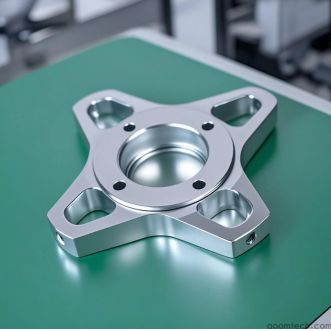
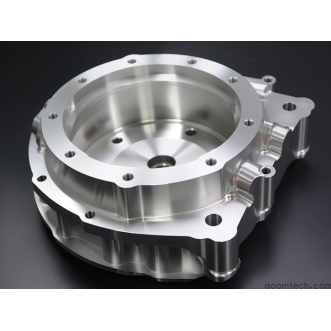
Milling is used to create flat surfaces, grooves, and complex shapes. It is commonly applied in producing lamp housings and structural brackets. Proper cutting speed and tool selection ensure surface quality and dimensional accuracy.
Turning
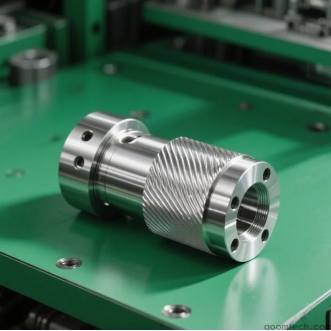
Turning is used for cylindrical parts such as lamp bases or connectors. The rotating workpiece is shaped by a cutting tool to achieve precise concentricity and smooth surface finishes.
Drilling
Drilling creates precise holes for wiring, mounting, or assembly. Accurate hole positioning is essential to ensure proper fixture installation and electrical safety.
Finishing Operations
Finishing processes enhance both appearance and durability. Common methods include polishing, anodizing, and coating. For example, anodized aluminum outdoor lighting fixtures offer improved corrosion resistance and a modern aesthetic appearance.
Benefits of CNC-Machined Precision Lighting Fixture Parts
Enhanced Product Performance
The benefits of CNC-machined precision lighting fixture parts include improved performance in heat management, light direction, and structural stability. Accurate components help optimize the overall lighting system efficiency.
For example, a CNC-machined reflector in a spotlight improves beam focus and brightness control, resulting in better lighting performance.
Cost-Effectiveness for Small-Batch Production
CNC machining is highly suitable for small and medium production runs because it does not require expensive molds or tooling. This reduces upfront costs and supports rapid product development.
Lighting manufacturers often use CNC machining for prototypes and limited-edition products, helping them reduce investment risks while maintaining quality.
Quick Turnaround Times
Once the CNC program is ready, production can begin immediately. This makes CNC machining ideal for urgent orders and rapid prototyping.
For example, a lighting company preparing for a product launch can quickly produce custom parts within a short timeframe using CNC machining.
Challenges in CNC Machining Precision Lighting Fixture Parts
Meeting Aesthetic Requirements
One of the challenges in CNC machining precision lighting fixture parts is achieving perfect surface quality. Lighting products often require visually flawless finishes because defects are easily visible.
Adjustments in cutting speed, tool selection, and polishing processes are often necessary to meet high aesthetic standards.
Tool Wear and Breakage
Hard materials or complex designs can lead to increased tool wear. This increases maintenance costs and may affect production efficiency.
For example, machining high-strength plastics or metal alloys may require frequent tool replacement to maintain quality consistency.
Complex Design Interpretation
Highly detailed designs can be difficult to translate into CNC programs. Any programming error may lead to defective parts or production delays.
Careful CAD/CAM validation is necessary to ensure the final part matches the original design intent.
Choosing a CNC Machining Service for Precision Lighting Fixture Parts
Experience in Lighting Fixture Manufacturing
When choosing a CNC machining service for precision lighting fixture parts, experience is very important. A skilled provider understands lighting-specific requirements such as thermal management, aesthetics, and assembly precision.
Experienced manufacturers can also suggest design improvements that enhance both performance and manufacturability.
Quality Assurance Systems
Reliable suppliers should have strong quality control systems, including inspection equipment and standardized testing procedures. This ensures each part meets required specifications before delivery.
Quality inspection helps prevent defects and ensures consistency across production batches.
Cost-Effectiveness and Transparency
Pricing is an important factor, but it should be balanced with quality and reliability. Transparent pricing helps customers understand material costs, machining time, and finishing expenses.
Comparing multiple suppliers can help identify the best balance between cost and performance.
Conclusion
CNC machining has become an essential technology in the production of modern lighting systems. Through high precision, material flexibility, and efficient production capabilities, CNC Machining of Precision Lighting Fixture Parts supports innovation in both functional and decorative lighting design.
Understanding the process of CNC machining precision lighting fixture parts, its benefits, challenges, and supplier selection criteria helps businesses make better manufacturing decisions. Whether for prototypes or mass production, CNC machining offers a reliable and efficient solution for high-quality lighting components.
By carefully evaluating technical capability, quality assurance, and cost transparency, companies can successfully choose the right partner and fully benefit from advanced CNC manufacturing technologies.
 How to Ensure Precision in CNC
 Small Batch Precision CNC Mach
 What surface finish can CNC ma
 CNC Machining Tolerance Settin